
The Girl Meets World writers’ room once attempted to bring a slice of Albuquerque to the Disney Channel, but the resulting homage to Breaking Bad proved too controversial for the network’s standards. Actor and director Rider Strong recently shared details regarding a scrapped script that was intentionally designed to test the limits of Disney’s executive oversight.
According to Strong, speaking on a recent episode of the Pod Meets World podcast, showrunner Michael Jacobs penned a storyline that directly parodied the drug-trafficking themes of the AMC prestige drama. The original script featured characters creating “blue cupcakes” using a specific blue dye, which led to a neighborhood-wide “addiction” among the show’s younger characters. The plot was a clear visual and thematic reference to Walter White’s signature “blue sky” meth.
Strong noted that Jacobs was explicit about his motivations for the script, reportedly telling Strong that the episode was written specifically to “piss Disney off.”
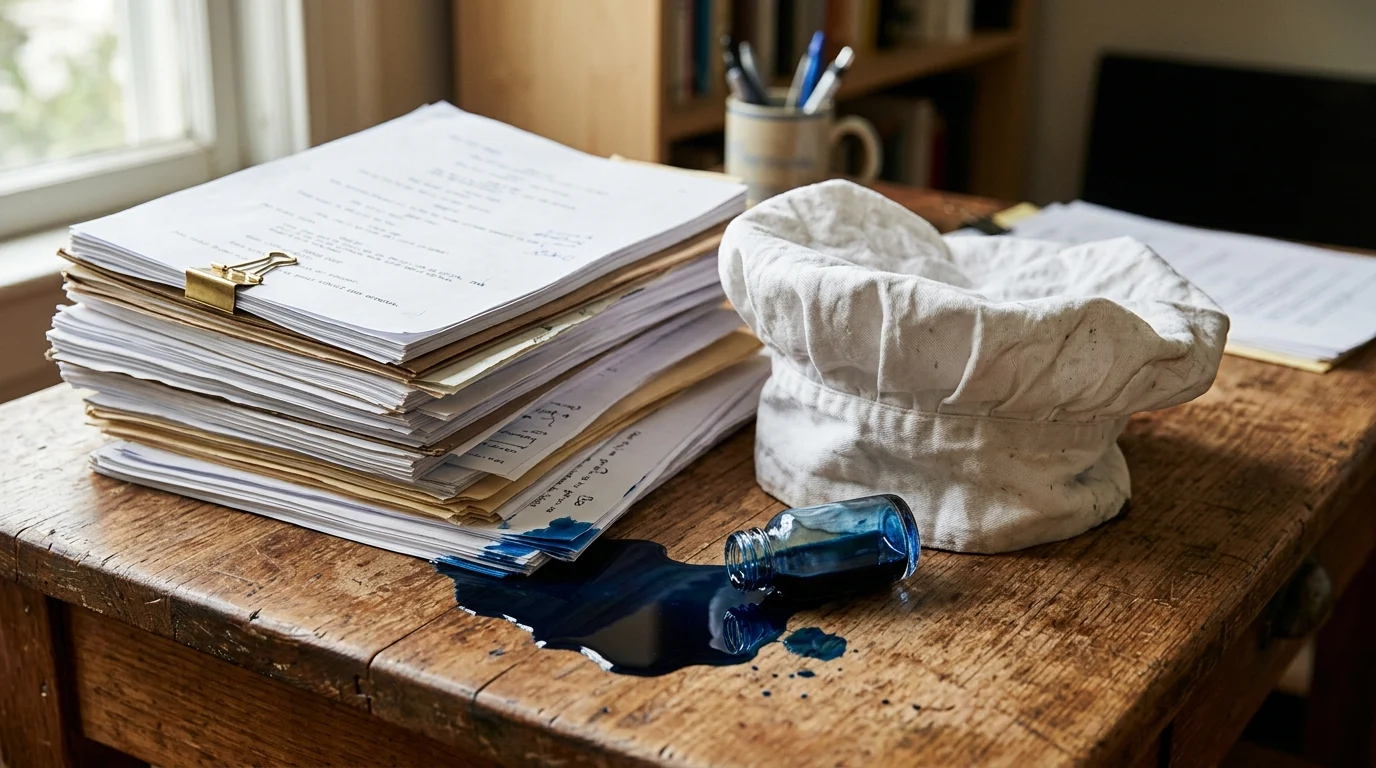
The parody reportedly reached the table read phase, which Strong described as one of the funniest experiences he had during the show’s production. However, Disney Channel executives ultimately rejected the “blue dye” concept and the heavy-handed addiction metaphors. The network’s concerns centered on the storyline’s proximity to the themes of Breaking Bad, which had concluded its run only a year prior to the development of Girl Meets World’s first season.
Despite the rejection of the “blue cupcake” premise, the core narrative structure of the episode was not entirely discarded. The creative team retooled the script into what became the tenth episode of Season 1, titled “Girl Meets Crazy Hat.”
In the broadcast version, the “addictive” substance was changed from blue dye to high-fructose sugar. The episode follows Riley and Maya as they start a business selling muffins, only to see their classmates become hyperactive and “hooked” on the sugar content. While the aired episode maintained the social commentary on consumerism and corporate greed, the explicit visual cues to the illicit drug trade were removed to satisfy network standards.
This instance reflects a recurring theme in Jacobs’ career, as the creator frequently pushed for more mature themes during the original run of Boy Meets World in the 1990s. While Girl Meets World ultimately maintained a tone consistent with Disney Channel’s programming, the “blue cupcake” incident serves as a rare look at the friction between the show’s creative leadership and the network’s brand requirements.
