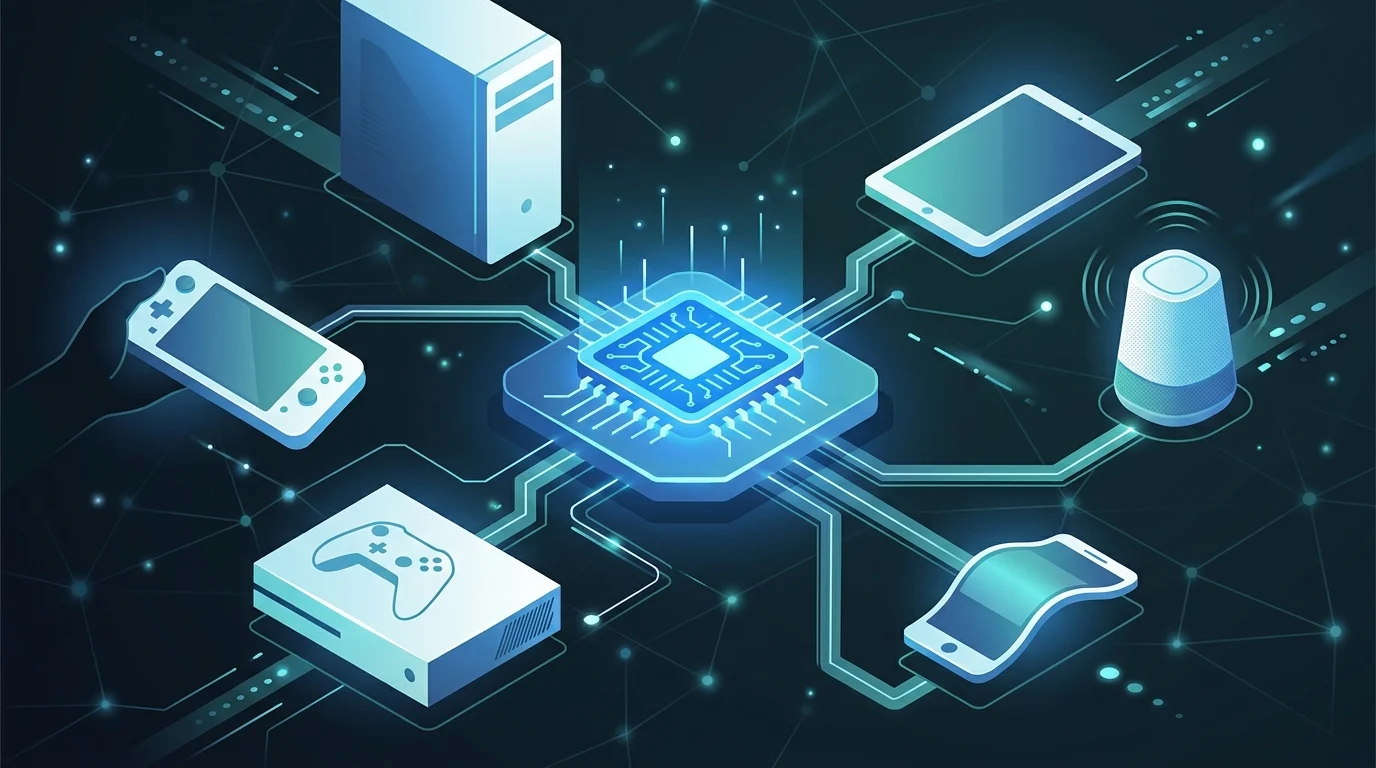
Xbox CEO Asha Sharma has described the company’s upcoming tenth-generation hardware, codenamed Project Helix, as a “family of devices.” During an internal town hall held on October 6, 2026, Sharma detailed a strategy that moves away from a single-console release in favor of a diverse hardware lineup.
The “family of devices” approach signals a departure from the traditional closed-ecosystem console model. According to Sharma, while Microsoft intends to produce core hardware in-house, the Project Helix ecosystem will rely on a hybrid manufacturing model. This involves partnering with external manufacturers to develop various form factors.
Technical Architecture and Native PC Support
Project Helix represents a significant technical shift for Microsoft’s gaming division. Unlike previous generations that maintained a strict wall between console and desktop environments, Helix hardware is designed to natively run both Xbox console titles and PC games. This capability positions the next generation as a bridge between the traditional console experience and the broader Windows gaming ecosystem.
The shift follows a turbulent period for the brand. Sharma, who assumed the role of Xbox CEO on April 23, 2026, took over following a major organizational reset. The pivot to a “family of devices” is a central part of the company’s hardware strategy following this transition.
Project Helix Timeline
While technical reporting on the hardware emerged in early 2026, Project Helix is still several years away from a consumer release. Microsoft has outlined a roadmap that focuses on developer readiness before a full market launch:
- March 2026: Reporting reveals Project Helix hardware will natively run both Xbox console games and PC games.
- October 2026: CEO Asha Sharma confirms the “family of devices” strategy.
- 2027: Distribution of alpha versions of Helix hardware to game developers.
The 2027 alpha kit rollout will allow studios to begin optimizing titles for the hybrid architecture. By allowing for multiple device types, Microsoft appears to be prioritizing hardware flexibility.