
Trial Production Metrics for the iPhone Ultra
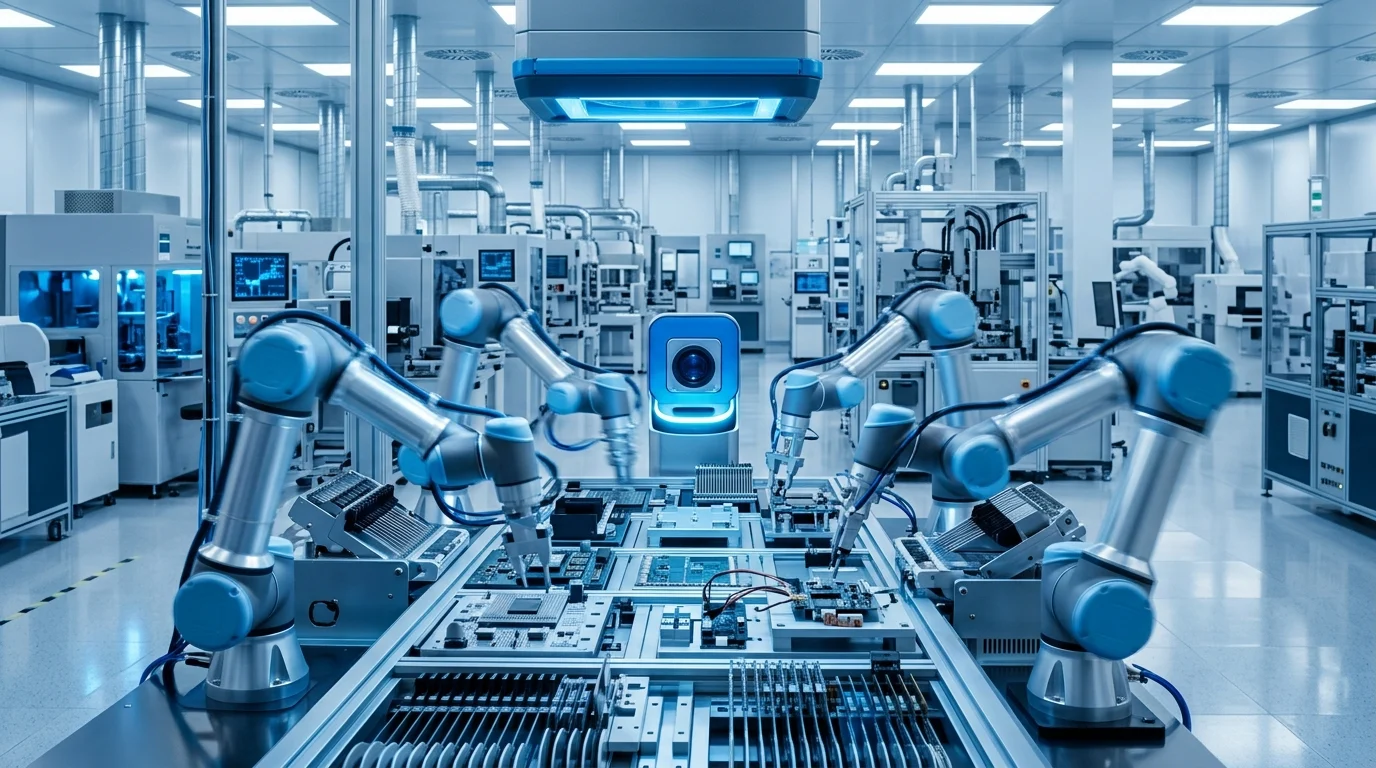
Recent supply chain reports indicate that Apple has commenced a highly restricted trial production phase for its upcoming high-end smartphone, frequently referred to in leaks as the iPhone Ultra. Current output at manufacturing facilities in China is reportedly limited to just a few hundred units per day. This volume represents a significant departure from the thousands of units typically produced during the New Product Introduction (NPI) stages for standard iPhone models.
According to reported claims from supply chain monitors, this low-volume run is focused on validating a radically different chassis design. The assembly process is currently taking place within specialized sections of Foxconn’s facilities, where engineers are testing the structural integrity of a significantly thinner frame. Unlike the mass-market iPhone 17 and Pro models, which some industry forecasts tentatively slate for upcoming release cycles, the Ultra variant is reportedly struggling with yield rates due to the complexity of its miniaturized internal components.
Supply Chain Constraints and Design Shifts
The decision to maintain such a low production ceiling is linked to the experimental nature of the device’s hardware. Reported rumors suggest that the iPhone Ultra—which some leakers have also labeled the “iPhone Slim”—utilizes a new motherboard substrate and a high-density battery technology that has not yet been scaled for millions of units. Industry analyst Ming-Chi Kuo has reportedly suggested that Apple may be prioritizing a “form-over-function” approach for this specific tier, with unverified leaks claiming the company aims to sacrifice certain camera features to achieve a sub-5mm thickness.
The current production phase serves several specific technical purposes before Apple decides on a full-scale commercial release:
- Thermal dissipation testing for the A-series chip within a constrained internal volume.
- Durability assessments of the reported “titanium-aluminum” alloy frame.
- Validation of the single-lens rear camera system, which is rumored to replace the traditional triple-lens array to save space.
- Testing of a new OLED display technology that integrates touch layers more deeply to reduce panel thickness.
While some projections suggest mass production for a 2026 iPhone lineup could begin in the summer, the Ultra model remains in a state of flux. According to reports from The Information, the device may not launch alongside the primary lineup if yield issues persist. The current output of a few hundred units per day suggests that the device is still in the “Proto-2” or “EVT” (Engineering Validation Test) stage, rather than the final “DVT” (Design Validation Test) stage required for a wide release.
Rumors regarding the pricing of this low-volume unit suggest it will sit significantly above the current Pro Max tier. By limiting the initial production and focusing on a niche, high-design aesthetic, Apple appears to be treating the Ultra as a prestige product rather than a volume driver. This strategy mirrors the initial rollout of the Apple Watch Ultra, which underwent similar small-batch testing to ensure the ruggedized casing met specific tolerances before reaching the consumer market.
