
Boox is set to expand its hardware lineup with the Picco, an ultra-compact e-reader scheduled for a November 2026 launch. The device represents a significant shift for the brand, moving away from the Android-based ecosystem found in its larger devices like the Boox Palma in favor of a leaner, more specialized operating system.
The Picco features a 3.97-inch grayscale E Ink touchscreen display, positioning it as one of the smallest dedicated e-readers on the market. Reports from IFA 2026 indicate Boox is aiming for a target price of approximately $100, which would place the device in direct competition with ultra-portable rivals such as the Xteink X4 series.
A Shift to Linux Architecture
The most notable departure from Boox’s typical product strategy is the move to a proprietary Linux-based operating system. While Boox has built its reputation on E Ink tablets that run Android and support the Google Play Store, the Picco is designed as a distraction-free device. According to Notebookcheck, this software choice likely prioritizes system stability and battery efficiency on smaller hardware, though it means users will not have the ability to install standard third-party apps like Kindle or Libby.
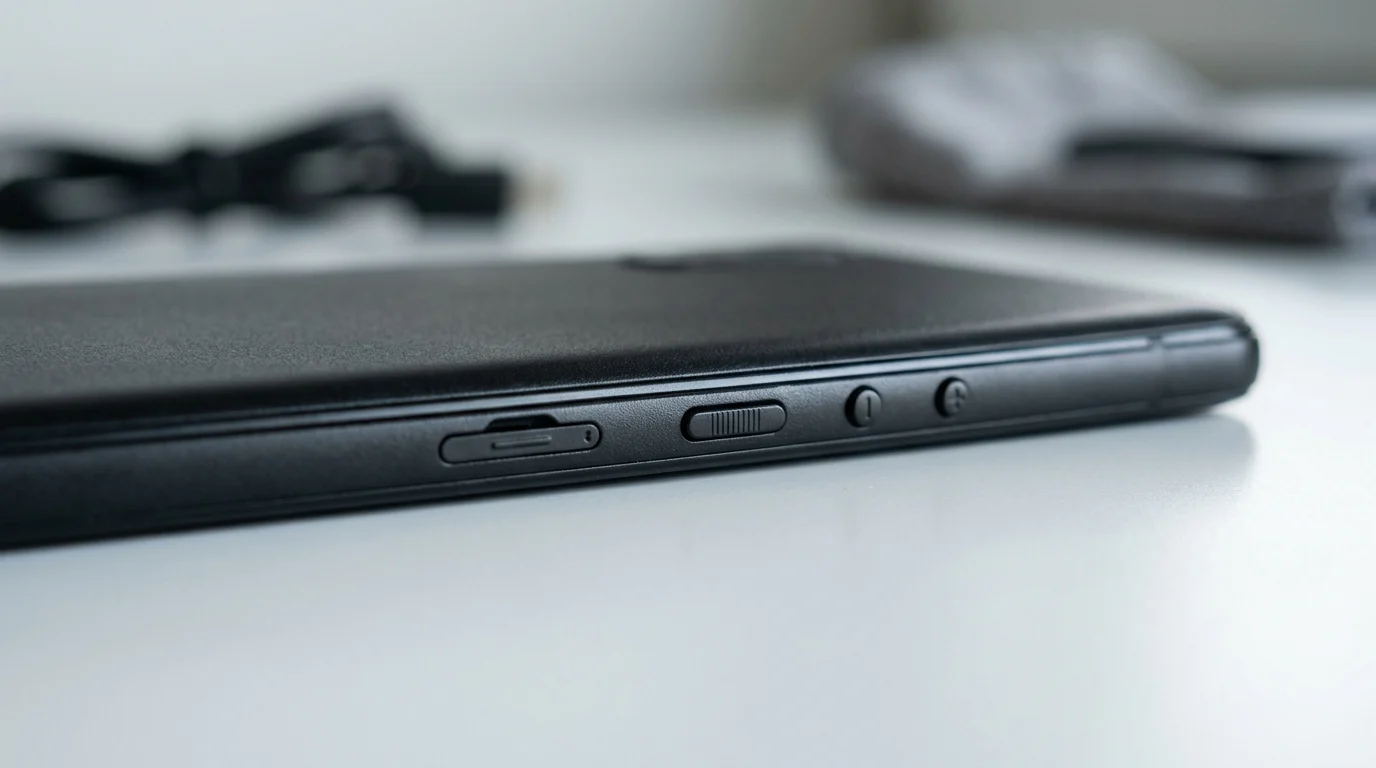
The Picco serves as the inaugural device in Boox’s new “Tile” product line. This series focuses on ultra-portability and minimalist functionality rather than the multi-app versatility seen in the brand’s larger tablets.
Hardware Constraints and Customization
To maintain its compact form factor and lower price point, the Picco utilizes a unique storage configuration. Unlike most modern electronics, the device has no onboard internal storage for books or media. Instead, it requires a microSD card for all content.
The physical design includes two dedicated hardware buttons on the side. These are not limited to simple page turns; they support customizable short and long-press actions, allowing users to map specific functions based on their preferences. The device also includes an integrated front light with adjustable brightness and color temperature (warmth), a feature often omitted in budget-friendly or ultra-small e-readers.
While the Picco shares a similar footprint to smartphone-style e-readers, it lacks certain external hardware features found on competitors. For instance, the device does not include integrated magnets on the back, a feature used by the Xteink X4 Pro to attach the reader directly to the back of a phone. Despite these omissions, the Picco’s focus remains on providing a dedicated, pocket-sized gateway for digital libraries via its expandable storage slot.
