
The smartphone is no longer just a handheld tool; in 2026, it has increasingly become a necklace. The transition from keeping a device in a pocket to dangling it across the torso via a crossbody strap is a shift that sits at the uncomfortable intersection of high-end camera engineering and “athleisure” fashion. While the look is intended to convey a sense of hands-free European efficiency, the reality for many early American adopters involves navigating the physical awkwardness of a glass-and-metal pendulum.
The trend has been fueled by Peak Design’s entry into the mobile accessory space. In February 2026, Peak Design launched its dedicated Mobile Straps line, bringing the same rugged design language used for professional photography equipment to the average consumer. This “Gorpcore” aesthetic—where functional hiking gear is repurposed for city life—means that users are now securing their lightweight devices with systems designed for far more extreme conditions.
The Engineering of a Pendant
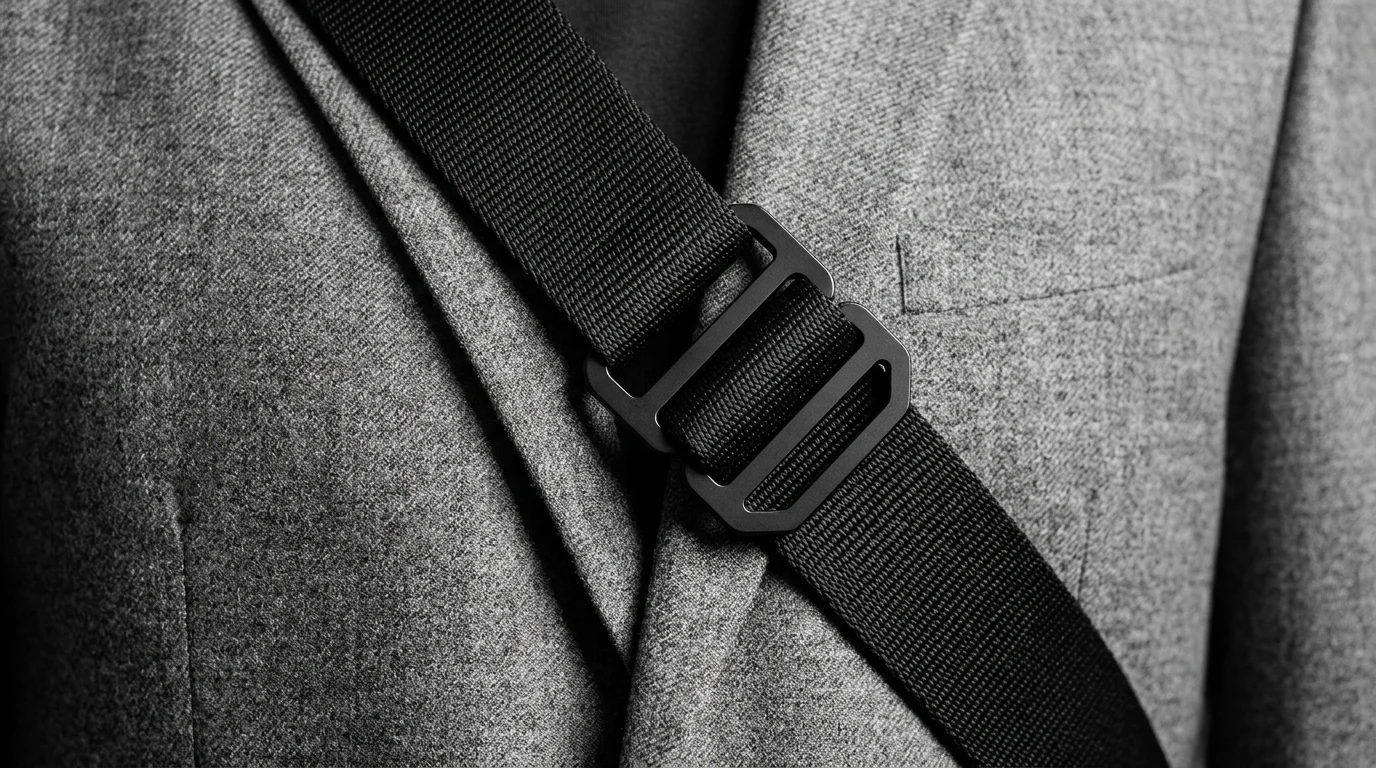
There is a distinct irony in the technical specifications of these accessories. The Peak Design ecosystem utilizes a “Micro Anchor” system that, despite being used for a device weighing less than half a pound, is rated to withstand 50 pounds of force. This level of over-engineering provides a sense of security, but it also creates a visual clash: the rugged, utilitarian hardware of a $59.95 Multi-Strap paired with the soft silhouettes of leggings and sandals.
From European Niche to American Mainstream
The American struggle to “pull off” the crossbody strap follows several years of the accessory being a default status symbol in European fashion capitals. By 2025, the European mobile accessories market grew by more than 10 percent, a surge attributed heavily to the normalization of phone straps and matching cases in cities like Paris, Berlin, and Milan. In those environments, the strap is seen as a pragmatic solution to urban living—keeping the phone accessible for transit taps and navigation without the risk of it being dropped or snatched.
In the United States, however, the adoption feels more like a conscious stylistic choice than a utility-driven necessity. The result is a specific kind of modern anxiety: the desire to look like a savvy traveler while simultaneously worrying if wearing a $1,200 piece of electronics as a piece of jewelry makes one a target or simply a fashion victim.
As these straps move further into the mainstream, the tension between the rugged “ready for a mountain” hardware and the “running to the grocery store” reality remains. The hardware is undeniably secure, but the social integration of the tech-pendant is still a work in progress. For now, the crossbody strap remains a high-visibility experiment in whether consumers truly want their technology to be an inseparable part of their outfit.
