
As Star Trek celebrated its 60th anniversary in September 2026, one moment from the original series continues to be cited by fans and historians as the definitive mission statement for the entire franchise. Known widely as the “Risk is our business” speech, Captain James T. Kirk’s monologue from the second season of the original series has remained a philosophical anchor for the brand for 58 years.
The speech first aired on February 9, 1968, in the episode “Return to Tomorrow.” Written by John T. Dugan (under the pseudonym John Kingsbridge), the lines were delivered at a pivotal moment when the crew of the Enterprise faced a life-altering choice: whether to allow energy-based alien entities named Sargon and Thalassa to temporarily inhabit the bodies of Kirk and his officers to help the entities build robotic containers for their consciousness.
While the premise of alien possession often served as a trope for science fiction horror, Kirk used the moment to define the ethos of Starfleet. He argued that the potential for scientific advancement and the preservation of a dying race outweighed the personal danger to his crew.
“They used to say that if man could fly, he’d have wings, but he did fly. He discovered he had to,” Kirk famously told his bridge crew. “Do you wish that the first Apollo mission hadn’t cleared the mast? Or that they’d never set out on the ocean? Your presence aloud is the answer to that. Risk is our business. That’s what this starship is all about. That’s why we’re aboard her.”
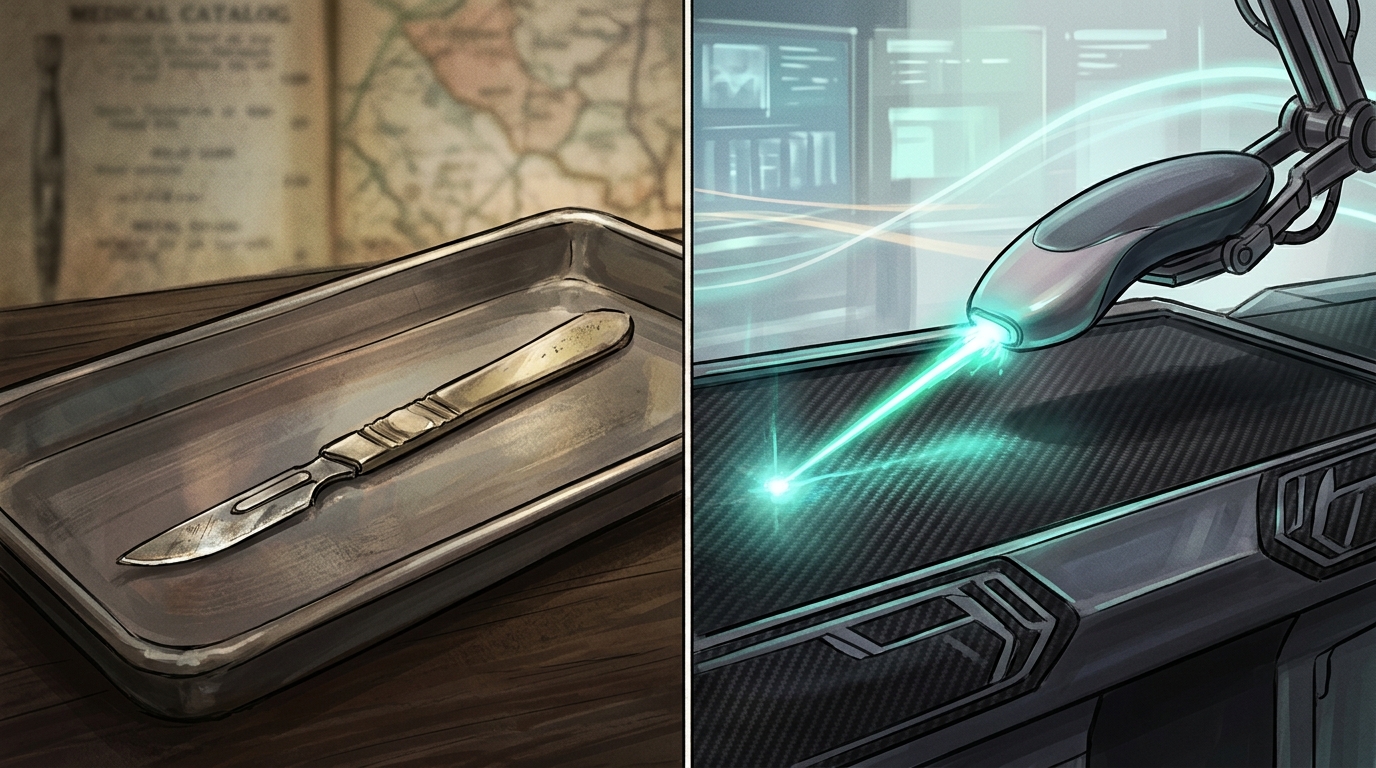
The historical timing of the episode provided significant cultural weight. Airing more than a year before the 1969 moon landing and months before the Apollo 7 and Apollo 8 missions, the speech served as a real-world defense of space exploration during a period of intense public debate regarding the costs and dangers of the “Space Race.” Kirk’s comparison of modern medical progress—moving away from “scalpels and catgut”—to the risks of deep-space contact reinforced the idea that stagnation is a greater threat than failure.
Unlike later famous monologues in the franchise, such as Captain Picard’s legal defenses in “The Measure of a Man” or “The Drumhead,” Kirk’s 1968 speech remains unique for its raw justification of the inherent danger of discovery. It established that the Enterprise was not merely a vessel for transport or defense, but a laboratory where the pursuit of knowledge justifies the peril of the unknown.
As the franchise enters its seventh decade, the monologue continues to serve as a moral “North Star” for writers and fans alike. By framing risk as a professional necessity rather than a reckless choice, the speech effectively drafted the blueprint for the optimistic, expansionist philosophy that differentiates Star Trek from more dystopian science fiction.
