
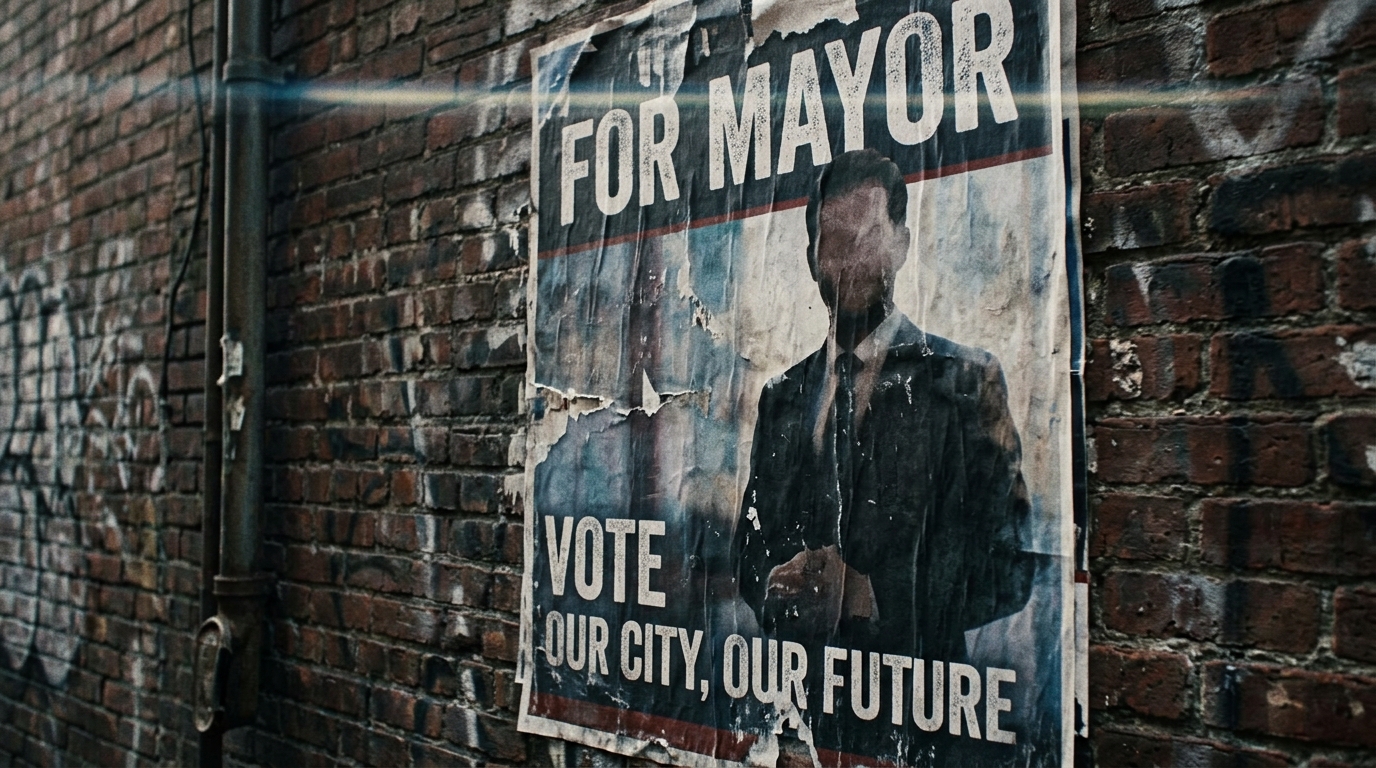
Production on the upcoming DC Universe series The People v. Gorilla Grodd has provided a first look at how James Gunn’s franchise is integrating elements from past DC television history. New set videos from the Atlanta-based production reveal “Ray Sacks For Mayor” campaign posters, confirming the inclusion of a character who originated outside of traditional DC Comics lore.
Ray Sacks is a recurring villainous District Attorney who first appeared in the ninth season of the WB/CW series Smallville. Originally portrayed by Dylan Neal, the character was created specifically for the television series rather than being adapted from a comic book run. His inclusion in the DCU suggests a world-building strategy that acknowledges and canonizes specific original characters from across the brand’s media history to create a more established, “lived-in” universe.
The People v. Gorilla Grodd is an eight-episode true-crime mockumentary developed for Max. The series is led by showrunners Tony Yacenda and Dan Perrault, the creative team behind the acclaimed Netflix mockumentary American Vandal. This stylistic choice is reflected in the show’s premise, which features Skyler Gisondo reprising his role as Jimmy Olsen from 2025’s Superman.
The series centers on the legal and social fallout surrounding Gorilla Grodd, the telepathic ape who will be portrayed by Jimmy Tatro. Behind-the-scenes footage from the production has confirmed that Tatro is utilizing a practical suit for on-set reference, rather than relying solely on motion capture.
Beyond the Smallville connection, the production has also revealed other familiar faces from the DC rogue’s gallery. Other returning cast members from the upcoming Superman film include Wendell Pierce as Perry White and Beck Bennett as Steve Lombard.
Chronologically, the series is set to take place before the events of the upcoming DCU project titled Man of Tomorrow. By establishing characters like Ray Sacks as political fixtures in this timeline, the series provides a foundational layer for the political and social landscape of the DCU ahead of its major feature film releases.