
Showrunner Ian Brennan has provided clarity on the unexpected creative direction for the fourth season of Netflix’s Monster anthology, explaining how the series will bridge a 100-year gap to feature both Lizzie Borden and Aileen Wuornos. While the upcoming season centers on the 19th-century Borden case, Brennan revealed that Wuornos will appear as a thematic parallel to explore evolving concepts of “female rage” and “monstrosity.”
The decision marks a significant shift for the franchise, which has previously focused on 20th-century male serial killers such as Jeffrey Dahmer and the upcoming subject of Season 3, Ed Gein. By introducing Wuornos into a story primarily set in the 1890s, the production aims to examine how society’s perception of violent women has shifted—or remained stagnant—over the last century.
Thematic Parallels and Non-Linear Storytelling
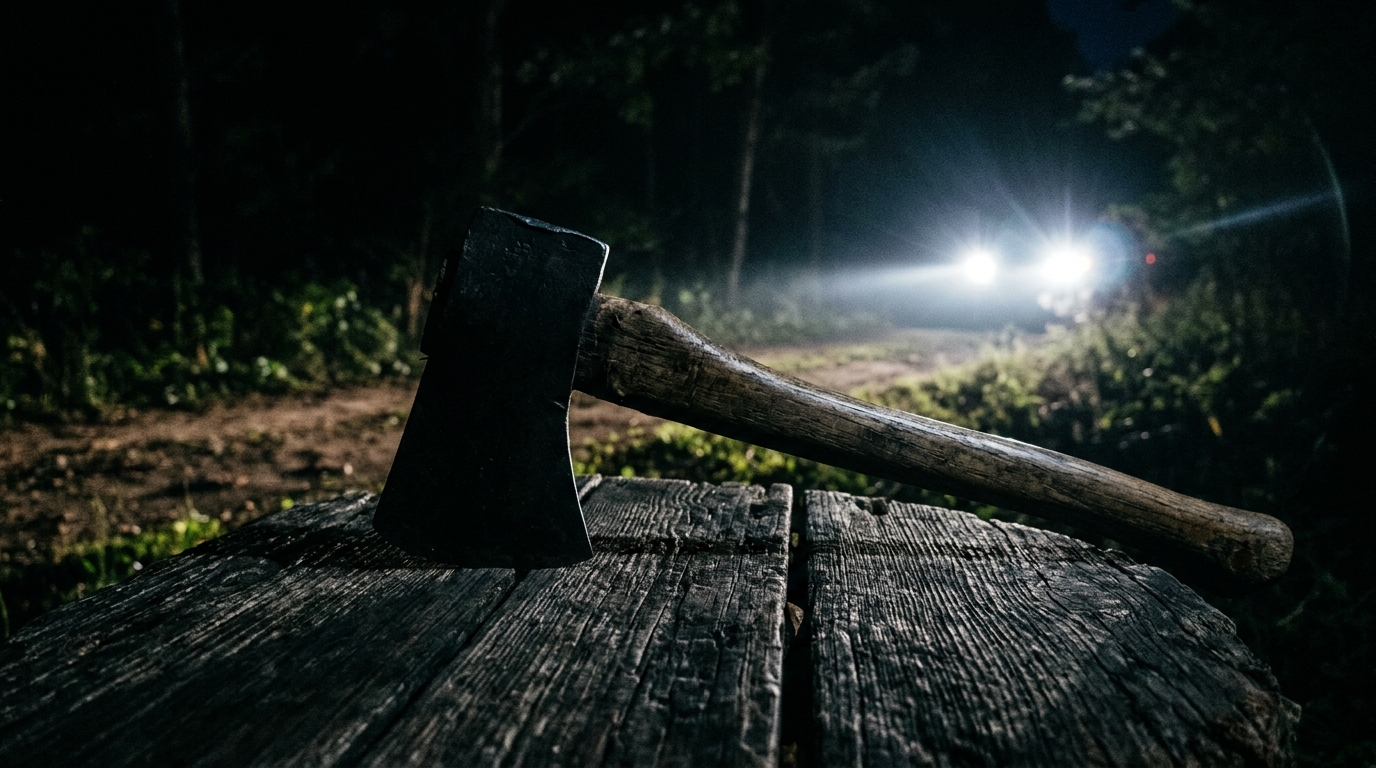
According to Brennan, the inclusion of Wuornos is not a literal historical crossover but a narrative device. Brennan told Variety that the show will utilize a non-linear narrative structure to link the two historical figures. This approach allows the creators to contrast the domestic, axe-related murders attributed to Borden with the highway-based shootings committed by Wuornos nearly 100 years later.
Lizzie Borden became a fixture of American folklore after she was tried and acquitted for the 1892 axe murders of her father and stepmother in Fall River, Massachusetts. Despite her acquittal, she remained a social pariah, her name synonymous with the crime in popular culture. In contrast, Aileen Wuornos was a serial killer active between 1989 and 1990, eventually executed in 2002 for the murders of seven men. Brennan confirmed to The Hollywood Reporter that the show intends to use these two disparate timelines to create a “thematic bridge,” focusing on the psychological and social pressures that define the “female monster” archetype.
Expanding the Monster Anthology
The dual focus on Borden and Wuornos represents the first time the Monster series has tackled female subjects as its primary “monsters.” It also marks the series’ first foray into the 19th century. While the anthology has traditionally stayed within the mid-to-late 1900s, the jump back to 1892 allows the production to explore the origins of American true-crime sensationalism.
The use of a non-linear structure suggests that Season 4 may alternate between the Victorian-era tension of the Borden household and the gritty, late-20th-century environments inhabited by Wuornos. This framing is expected to highlight the “evolution of monstrosity,” as Brennan described it, questioning whether the motivations and societal reactions to female violence have fundamentally changed over the decades.
Netflix officially renewed the anthology for both its third and fourth installments concurrently. While casting for Lizzie Borden and the specific role Wuornos will play in the narrative have not been finalized, the production’s move toward a multi-era, thematic exploration signals a departure from the strictly chronological dramatizations seen in previous seasons.
