
When Apple announced the iPhone Duo on September 9, 2026, the device’s 7.6-inch foldable inner display immediately became the focus of technical scrutiny. While early hands-on impressions have described the screen as nearly “crease-free,” the reality of flexible display physics suggests that the true durability of the panel won’t be settled when the device arrives in stores on October 23.
The iPhone Duo, which starts at $1,999, represents Apple’s first entry into the foldable market. It features a 5.4-inch outer display and is powered by the A20 Pro chip. Much of the early praise has centered on the appearance of the crease. However, a shallow crease at launch is not a guarantee of permanent invisibility.
Apple Vice President of Hardware Engineering Tom Marieb has already invited public scrutiny regarding the longevity of the display. During a recent discussion on the device’s hardware, Marieb addressed the inevitable concerns about screen wear, stating, “Hold us accountable to that, please.” This statement acknowledges that while the device may look pristine out of the box, the mechanical stress of thousands of folds is a cumulative process that requires months of real-world use to evaluate.
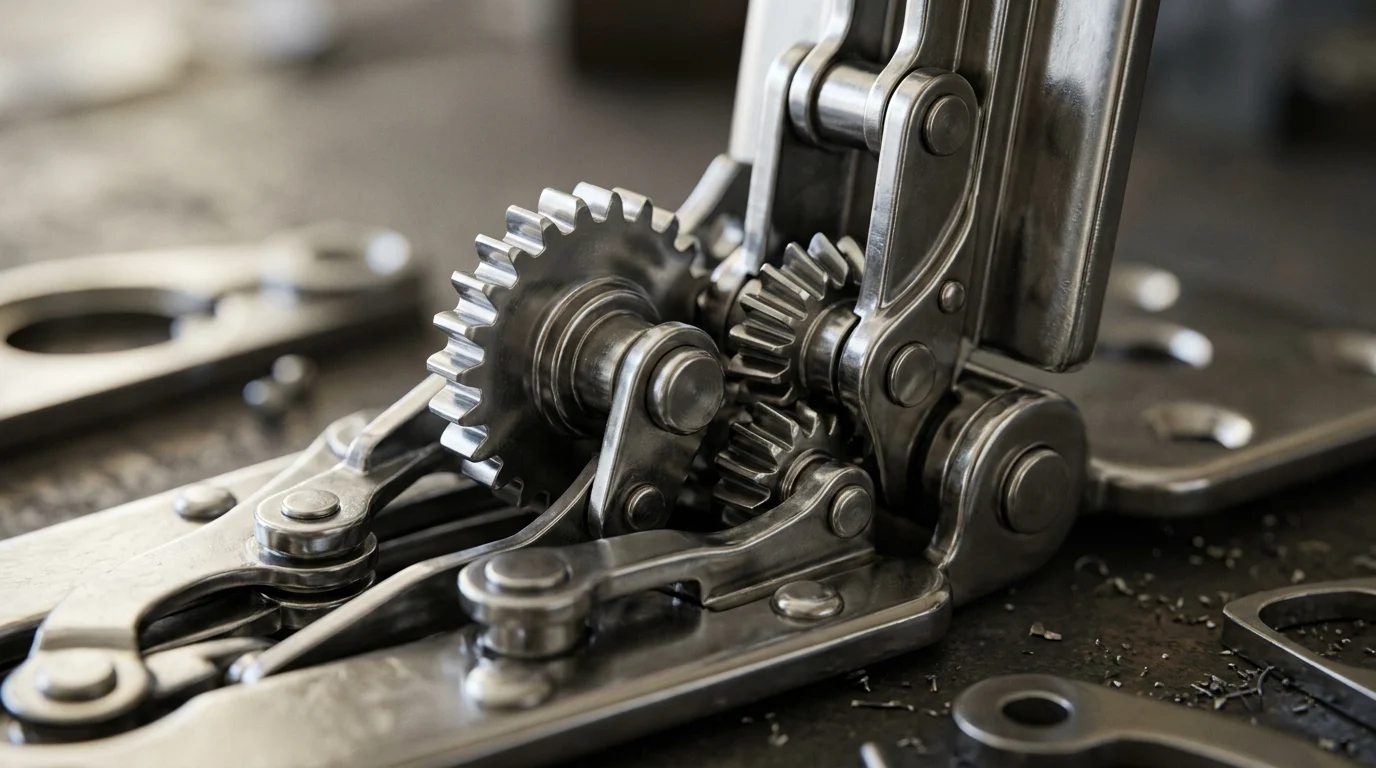
The engineering behind the iPhone Duo includes a hinge constructed from a zirconium-based alloy known as Liquidmetal. This choice of material is intended to provide high structural integrity and resistance to deformation. Despite this robust hardware, Apple has notably not published an official “fold-cycle” rating for the Duo. This is a departure from the marketing strategies of competitors like Samsung, which typically certify their devices for upwards of 200,000 folds.
The lack of a public durability rating means consumers will have to rely on empirical data that doesn’t yet exist. Because the device does not reach customers until late October, the first wave of “long-term” reviews—those covering three to six months of daily wear—won’t appear until well into 2027.
Early reports indicate that while the crease is difficult to see under studio lighting, the mechanical reality remains: the substrate must bend, and where there is bending, there is eventual material fatigue. Whether the Liquidmetal hinge and Apple’s internal display stack can prevent that fatigue from becoming an eyesore is a question that simply cannot be answered during the pre-order window, which opens on October 16.
