
The psychological thriller Bad Apples has officially opened a wide gap between critical reception and audience sentiment following its theatrical release on September 18, 2026. While critics have largely praised the film’s biting satire and high-wire performances, general viewers appear increasingly unsettled by the movie’s provocative central premise.
As of early October 2026, the film holds a “Certified Fresh” 84% critic score on Rotten Tomatoes. In contrast, the audience score has slipped into “Rotten” territory, currently sitting at 59%. This divide highlights a growing friction between those who appreciate the film’s pitch-black humor and those who find its subject matter—and its resolution—difficult to stomach.
A Dark Premise and a Polarizing Narrative
Bad Apples stars Saoirse Ronan as Maria Spencer, a primary school teacher struggling to maintain order in an increasingly chaotic classroom. The plot takes a sharp, macabre turn when Maria decides to kidnap a disruptive 10-year-old student named Danny, subsequently locking him in her basement in a misguided attempt to “fix” her working environment.
The screenplay, penned by Jess O’Kane, is adapted from the novel De Oönskade (The Unwanted) by Rasmus Lindgren. Critics have lauded the film as a sharp black comedy that serves as a secret weapon of social commentary. Reviewers have specifically pointed to Ronan’s performance as a woman descending into a manic, self-justifying logic as a high point of the production.
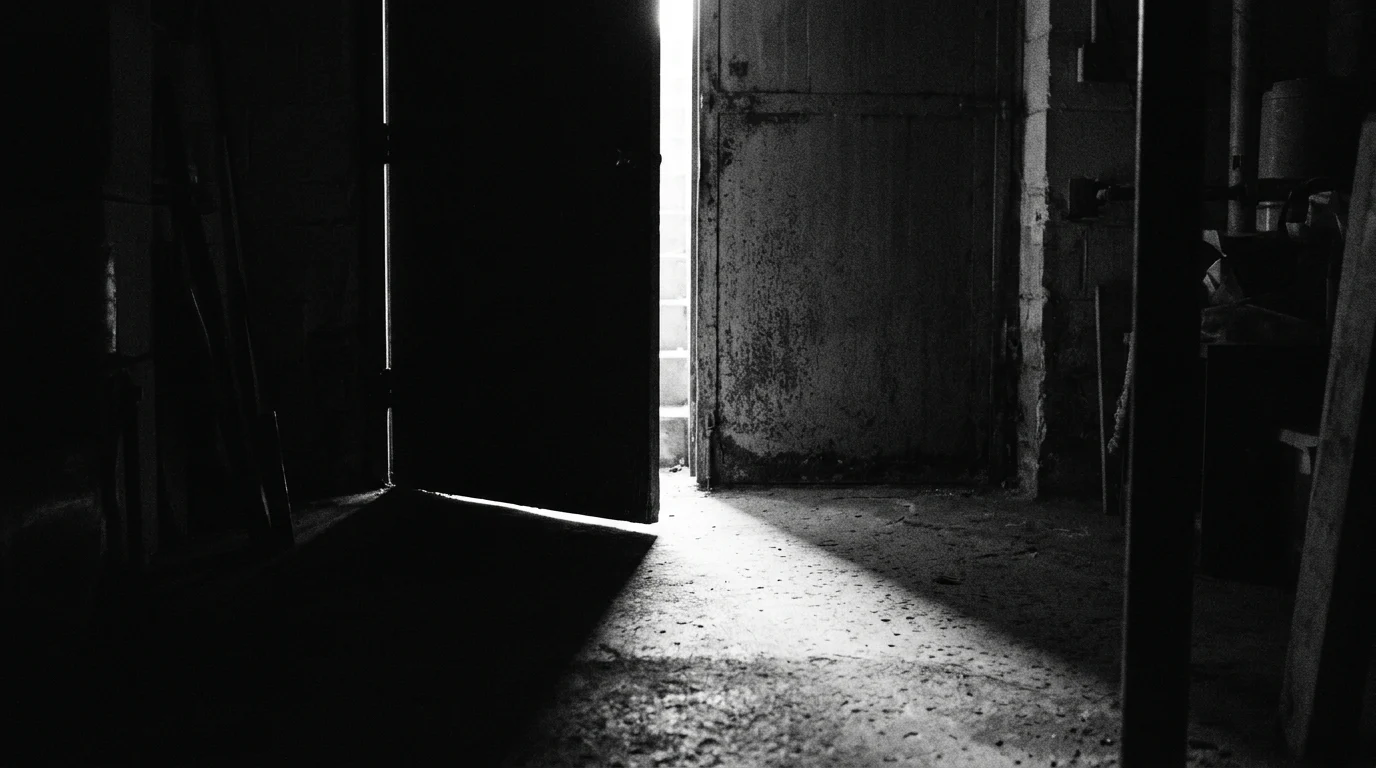
However, the same elements that garnered critical acclaim have become points of contention for audiences. Verified reviews from moviegoers frequently cite the “unhinged” nature of the dark humor and a controversial ending that has left many viewers frustrated. For some, the moral dilemma at the heart of the film—using a criminal act to solve a professional grievance—is treated with a level of levity that proves alienating rather than insightful.
Jacob Anderson’s Transition from Louis de Pointe du Lac
For many viewers, a primary draw for Bad Apples is the presence of Jacob Anderson. Best known for his haunting portrayal of Louis de Pointe du Lac in the television adaptation of Interview with the Vampire, Anderson takes on a grounded, albeit complicated, role here.
In Bad Apples, Anderson plays Sam, Maria’s colleague and former romantic partner. His character serves as a crucial tether to reality, acting as a foil to Maria’s escalating instability. The role marks a significant post-vampire career move for Anderson, allowing him to navigate a contemporary thriller that relies on psychological tension rather than supernatural horror.
The film’s current standing on the “Tomatometer” reflects a classic cinematic schism. While critics lean into the technical execution and the risks taken by the narrative, the general public appears less willing to embrace a story that features a protagonist committing such a starkly taboo act against a child, even within the framework of a satire. As Bad Apples continues its theatrical run, the debate over its “unhinged” ending is likely to remain the defining feature of its legacy.
