
Ben Affleck’s transition from a Hollywood veteran to a technical power player in Silicon Valley reached a milestone today, October 9, 2026, with the Netflix premiere of his new thriller, Animals. While the film marks his latest directorial effort, it is Affleck’s technical fluency in artificial intelligence—demonstrated in recent viral interviews—and a massive $587 million payday that have shifted his public persona from a traditional filmmaker to a specialized tech founder.
The “Good Will Hunting” star recently caught the attention of the machine learning community during a GQ interview and an appearance at the Bloomberg Screentime summit. Rather than offering generic celebrity talking points about automation, Affleck discussed the nuances of convolutional neural networks (CNNs), transformers, and tensors. He admitted to being able to “write pretty shitty Python scripts,” but his grasp of the underlying architecture of generative models has led tech experts to re-evaluate his role in the industry’s AI evolution.
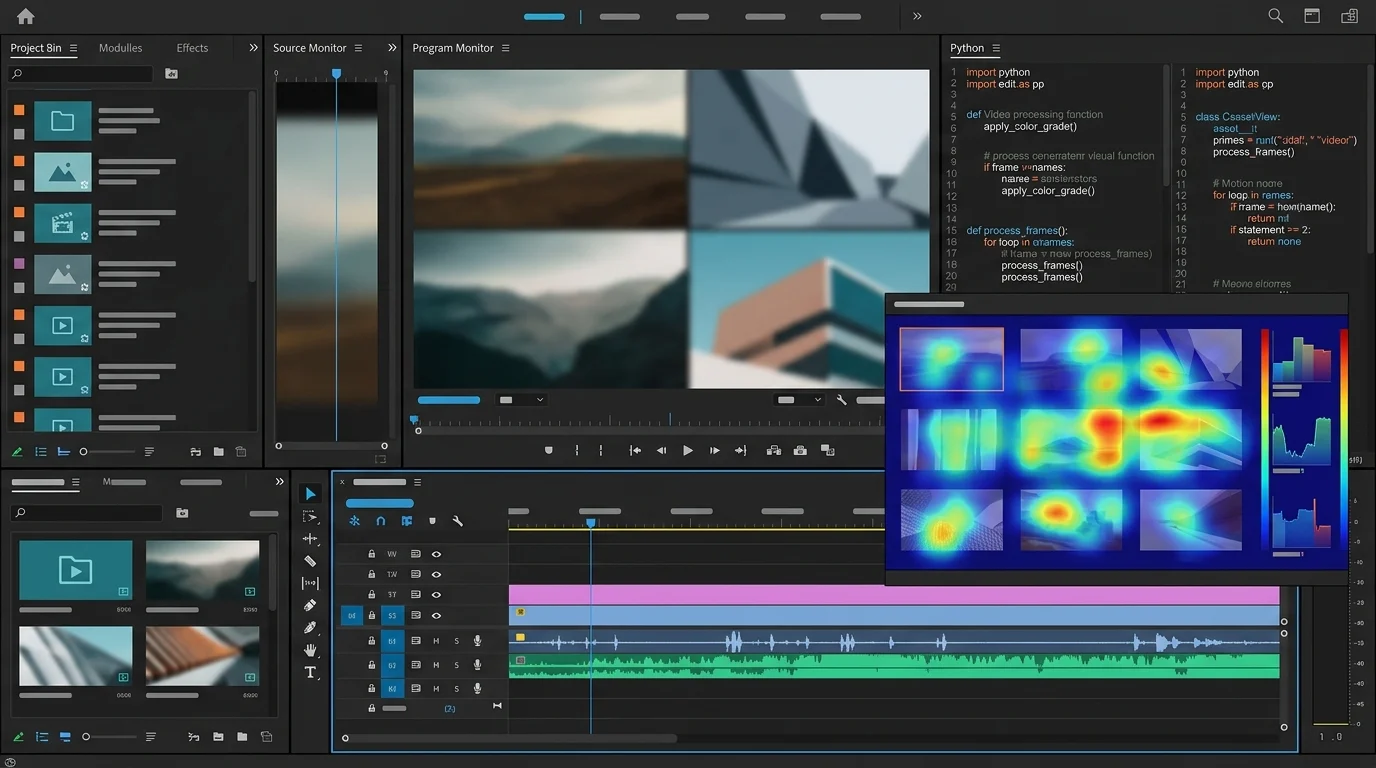
Affleck’s technical literacy is not just a hobby; it is the foundation of InterPositive, the AI startup he co-founded. On March 5, 2026, Netflix announced it had acquired the company, though the price remained confidential at the time. Recent federal 10-Q filings and analysis from Forbes have since confirmed the deal was a $587 million cash acquisition.
The Shift from Skeptic to Founder
Affleck has been open about his initial resistance to AI. He recalled a moment of panic upon first seeing the capabilities of generative video, prompting an immediate phone call to longtime collaborator Matt Damon. According to Affleck, he told Damon, “We’re finished,” fearing that generative models would render traditional filmmaking obsolete.
However, that skepticism evolved into a strategy. Rather than competing with “text-to-video” models like Sora or Runway, InterPositive developed a “human-in-the-loop” philosophy. The company’s tools are designed to work with a production’s existing “dailies”—the raw footage shot on set—rather than generating imagery from scratch. By training models on specific footage, the tools allow filmmakers to make technical adjustments, such as lighting or edge detection, while keeping the human performance intact.
This approach was heavily utilized during the production of Animals. By focusing on video-to-video tools that require human input, Affleck has positioned his technology as a collaborator for artists rather than a replacement for them. During his technical briefings, Affleck has highlighted the importance of unfreezing weights in open video models to achieve specific aesthetic results, a level of granularity that has surprised even seasoned developers.
The acquisition of InterPositive by Netflix suggests a long-term integration of these tools into the streaming giant’s production pipeline. As Animals begins streaming today, it serves as the first major proof of concept for Affleck’s vision of AI: a technical framework that supports, rather than replaces, the traditional cinematic process.
