

Android tablets are currently trapped in a striking contradiction. While hardware enthusiasts and tech critics point to a “renaissance” of high-performance hardware and experimental form factors, the broader consumer market is signaling a different reality. By November 2026, the sector has entered a period of extreme economic volatility and shifting manufacturer priorities that make the question of whether to buy one more complicated than it has been in years.
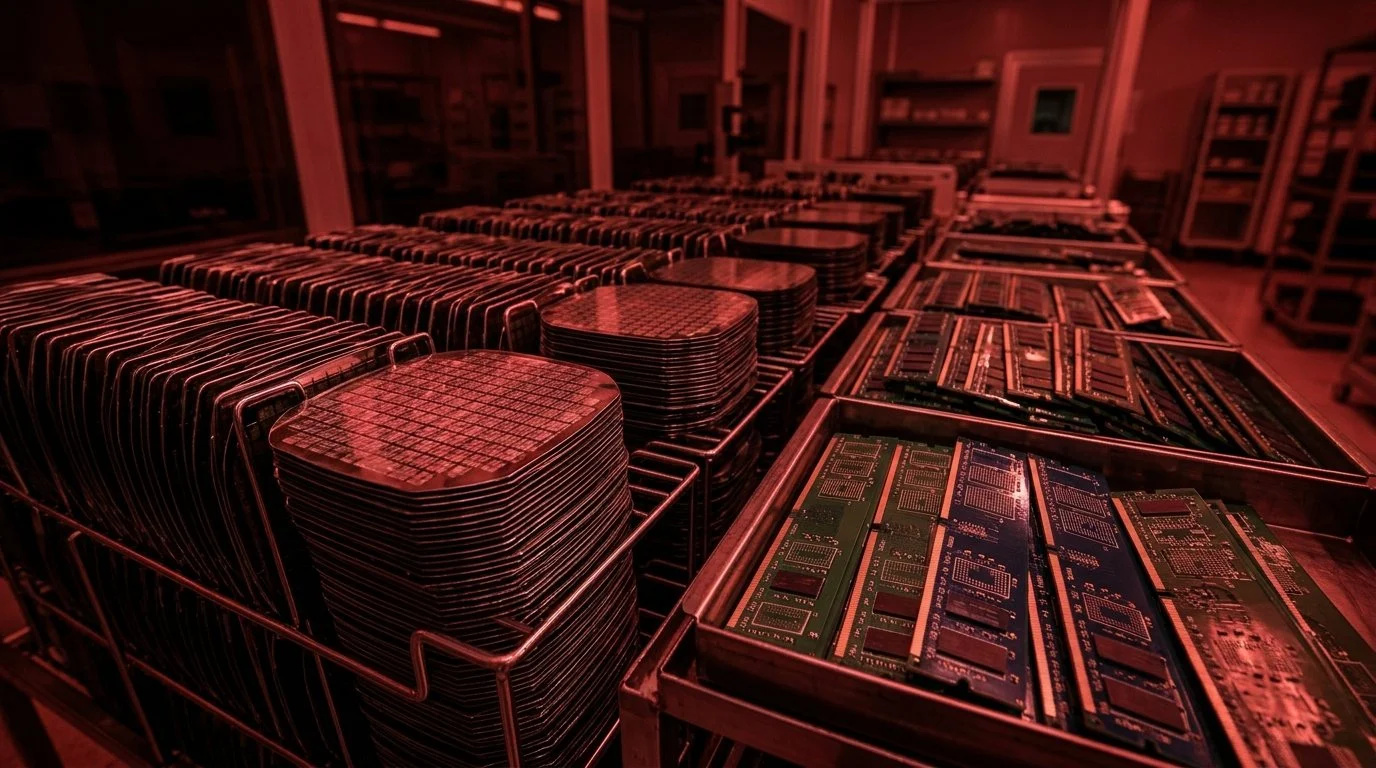
The statistical foundation for this “comeback” is shaky. According to data from Omdia and Canalys, global tablet shipments plummeted 23% year-over-year in Q3 2026, falling to just 32 million units. This represents a three-year low for the category. The decline is being driven largely by “RAMageddon”—a global memory shortage fueled by the insatiable demand for AI servers. This shortage has forced retail price hikes of 10% to 20% across most electronics, with some premium Android tablets seeing price jumps as high as $300 over their predecessors.
The economic squeeze is also killing the middle ground. Google, which attempted to re-legitimize the category with its home-focused hardware, officially discontinued the original Pixel Tablet in September 2026. The device was removed from the Google Store entirely, and no successor was announced. This exit leaves a significant vacuum in the “lifestyle” tablet segment, forcing buyers to choose between budget-tier devices with aging processors or ultra-premium slabs that rival laptop prices.
The Rise of the Gargantuan Tablet
Analysis of the current market suggests a growing divide between what manufacturers are building and what fans of the form factor actually want. Major brands have pivoted toward “gargantuan” displays intended to replace productivity laptops. The Samsung Galaxy Tab S10 Ultra, for instance, features a massive 14.6-inch display. While these devices are engineering marvels, they often fail the portability test that originally defined the tablet experience.
This obsession with size has created a counter-trend: the high-performance mini-tablet. For users who find a 14-inch screen unwieldy, a small pocket of “flagship-grade” small tablets has emerged as a refuge. Devices like the Redmagic Astra 2, featuring a 9.06-inch 185Hz OLED display and the Snapdragon 8 Elite Gen 5, are targeting gamers and power users who prioritize density over screen real estate. Similarly, the Lenovo Legion Tab Gen 3 remains a top contender in the 8-inch space, offering a rare combination of portability and top-tier silicon.
For those seeking a smaller footprint, the market for 8-inch mini tablets has become the primary battleground for innovation, even as the “standard” 10-to-11-inch tablet market stagnates under high component costs.
Market Outliers and Buying Realities
Despite the general market contraction, Lenovo has emerged as the only top-five manufacturer to show growth in late 2026. While competitors saw double-digit declines, Lenovo shipments grew 12% in Q3, likely due to their diversified lineup that spans from affordable educational tools to high-end gaming portables. This suggests that while the “tablet renaissance” may not be a universal tide lifting all boats, specific niches—particularly gaming and professional small-form-factor devices—are thriving.
Is now the time to buy? Market analysts suggest that the “RAMageddon” supply constraints are unlikely to ease through the first half of 2027. With component costs remaining high and major players like Google retreating from the hardware space, the “wait and see” approach may be the most pragmatic for the average consumer. However, for enthusiasts who value the specific utility of a high-refresh-rate OLED or a dedicated gaming handheld, the current crop of outliers represents the absolute peak of Android hardware, even if the price of entry has never been higher.
