
In the second half of 2026, the price gap between Apple’s flagship mobile devices and its tablet lineup remains a point of contention for consumers. While a larger screen typically commands a premium in consumer electronics, the iPhone’s price tag reflects a complex intersection of cellular licensing fees and a volatile global semiconductor market.
The pricing landscape shifted significantly in June 2026, when Apple raised prices for iPads and Macs by an average of 23%. This adjustment was driven by a severe industry-wide memory shortage, colloquially dubbed “RAMageddon,” which saw the cost of storage and RAM components soar.
A primary driver of the iPhone’s baseline cost is its native connectivity. Every iPhone is equipped with cellular radios and modems as a standard feature, whereas cellular connectivity is treated as a premium upgrade on iPads, often adding $150 to $200 to the device’s price. Beyond the physical modem hardware, Apple must pay aggregate patent licensing fees for cellular standard-essential patents (SEPs), which average approximately $9.25 per mobile device. These “hidden” costs are baked into every iPhone but are absent from the base Wi-Fi-only iPad models.
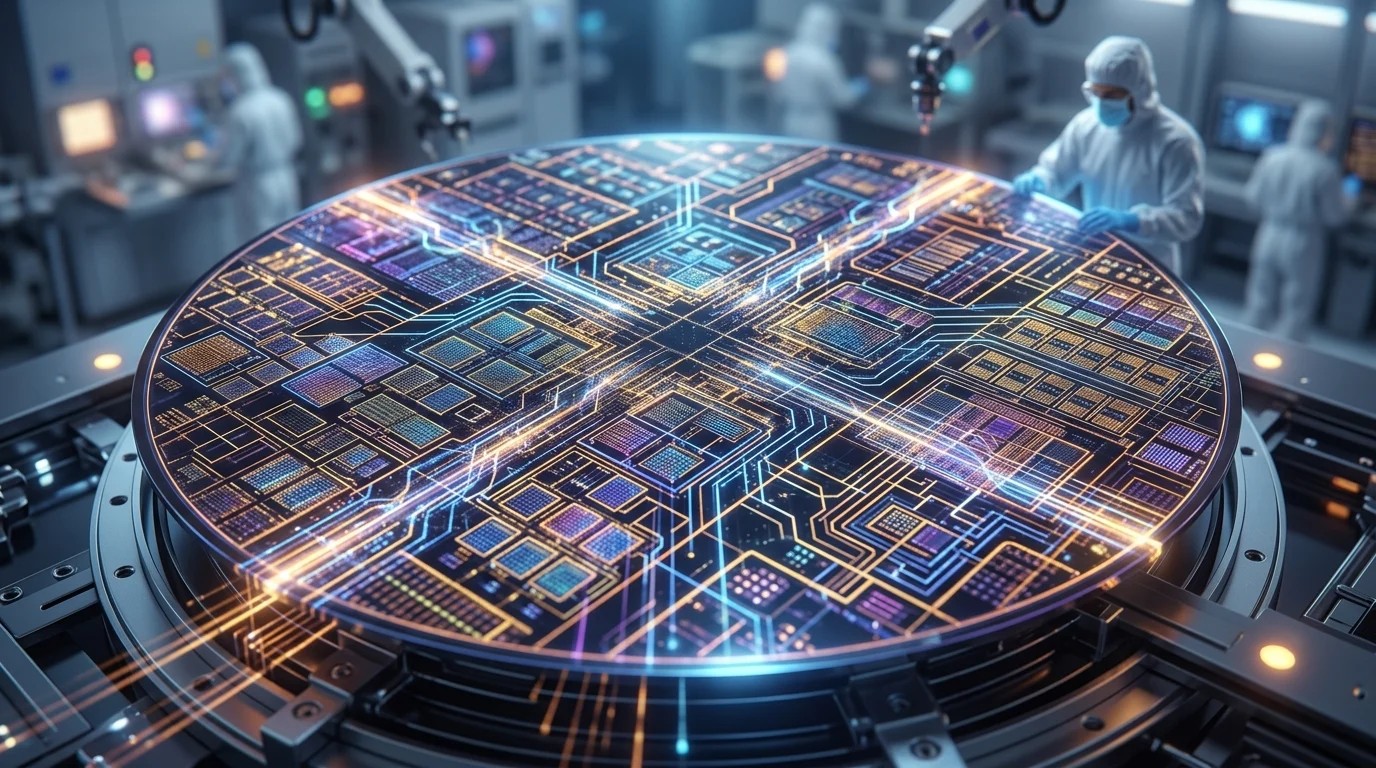
The upcoming iPhone 18 lineup is poised to push these prices even higher. Industry estimates suggest the bill of materials for the iPhone 18 Pro could be 38% to 40% higher than that of the iPhone 17 Pro. This is largely attributed to the shift to 2nm chip manufacturing, a process that offers superior power efficiency and performance but carries significantly higher production costs than previous generations.
During his final earnings call as Apple’s CEO in late 2026, Tim Cook described the recent price adjustments across the company’s hardware portfolio as “unavoidable.” This leadership transition occurs at a moment when Apple is balancing the rising costs of advanced silicon with a consumer market already strained by the mid-year price increases on iPads and Macs.
