
Meta Connect 2026 is scheduled to take place on September 23 and 24, marking a shift in the company’s hardware strategy toward slim, AI-driven wearables. Mark Zuckerberg’s opening keynote is set for Wednesday, September 23, at 4:00 PM PT, where the company is expected to prioritize “agentic” AI capabilities and lightweight form factors over traditional virtual reality hardware.
The event arrives as the company pivots toward a broader ecosystem of smart eyewear. While the Meta Quest 4 is not expected to appear—with current internal roadmaps pointing toward a second-half 2027 launch—the conference will likely focus on two distinct hardware projects: an ultralight mixed reality headset and a new category of camera-free smart glasses.
Project Phoenix: The Ultralight Mixed Reality Preview
One of the primary highlights of the upcoming keynote is expected to be a preview of “Project Phoenix,” an ultralight mixed reality headset designed to look more like eyewear than a traditional goggle. According to reports from TechRadar, this prototype aims to solve the weight and comfort issues that have hampered previous VR adoption.
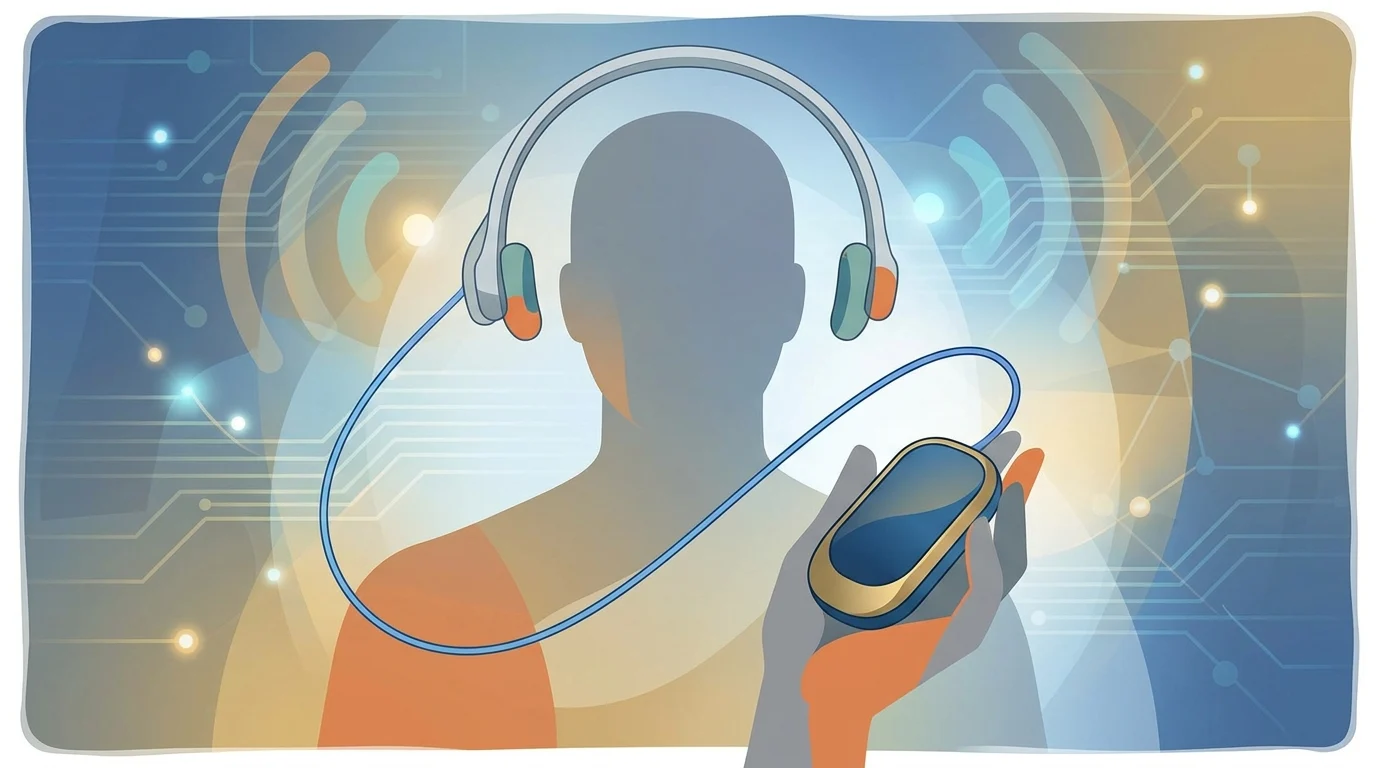
To achieve this slim profile, Project Phoenix reportedly offloads its battery and primary processing components to an external compute puck. This puck would connect to the frames via a cable, allowing the head-worn unit to remain exceptionally light. While the device is expected to be a preview rather than a retail-ready launch, it represents Meta’s vision for the future of “spatial computing” in a more wearable form factor.
‘Luna’ Camera-Free AI Glasses
Meta is also expected to unveil a new line of smart glasses, reportedly codenamed Luna. Unlike the existing Ray-Ban Meta smart glasses, the Luna frames are designed to be camera-free. This design choice is intended to address persistent privacy concerns in public spaces while maintaining the AI-driven audio features that have become a cornerstone of Meta’s wearable strategy.
The Luna glasses will likely serve as a dedicated interface for Meta’s AI assistant. By focusing on audio interaction and “agentic” AI—software capable of performing tasks autonomously—the glasses could manage schedules, summarize conversations, or handle messaging without requiring a display or camera.
AI Integration and Developer Roadmap
The software side of the event will emphasize the evolution of Meta AI. Meta has signaled that the assistant will transition from a reactive tool into an “agentic” platform, meaning it will be able to initiate tasks and navigate apps on behalf of the user across Horizon OS and wearable devices. This shift is intended to make smart glasses more useful in environments where using a phone screen is inconvenient.
Following the keynote, the Developer State of the Union session will begin on September 24 at 10:00 AM PT. This session is expected to provide technical details on how third-party developers can build for the Project Phoenix hardware. The focus remains firmly on the bridge between current VR and the future of slim, AI-augmented eyewear.
