
With the release of iOS 27 on September 14, 2026, Apple introduced a cellular feature called iPhone Handoff, allowing users to maintain one number on two phones simultaneously. While Apple has long offered “Wi-Fi Calling on other devices,” this new iteration integrates directly with carrier networks, allowing a secondary iPhone to function as a primary device even when the original phone is powered off or miles away.
The feature is designed for users who carry two devices without requiring a second line or a separate data plan for each.
Carrier Support and Pricing
At launch, T-Mobile is the only carrier in the United States supporting the iPhone Handoff feature. The carrier has implemented a $5 monthly fee to enable the service, which is significantly lower than the standard cost of an additional cellular line.
According to industry reports, expansion to other networks is expected shortly. Both Verizon and EE in the UK are reported to be finalizing their implementation of the protocol, with support anticipated by the end of 2026.
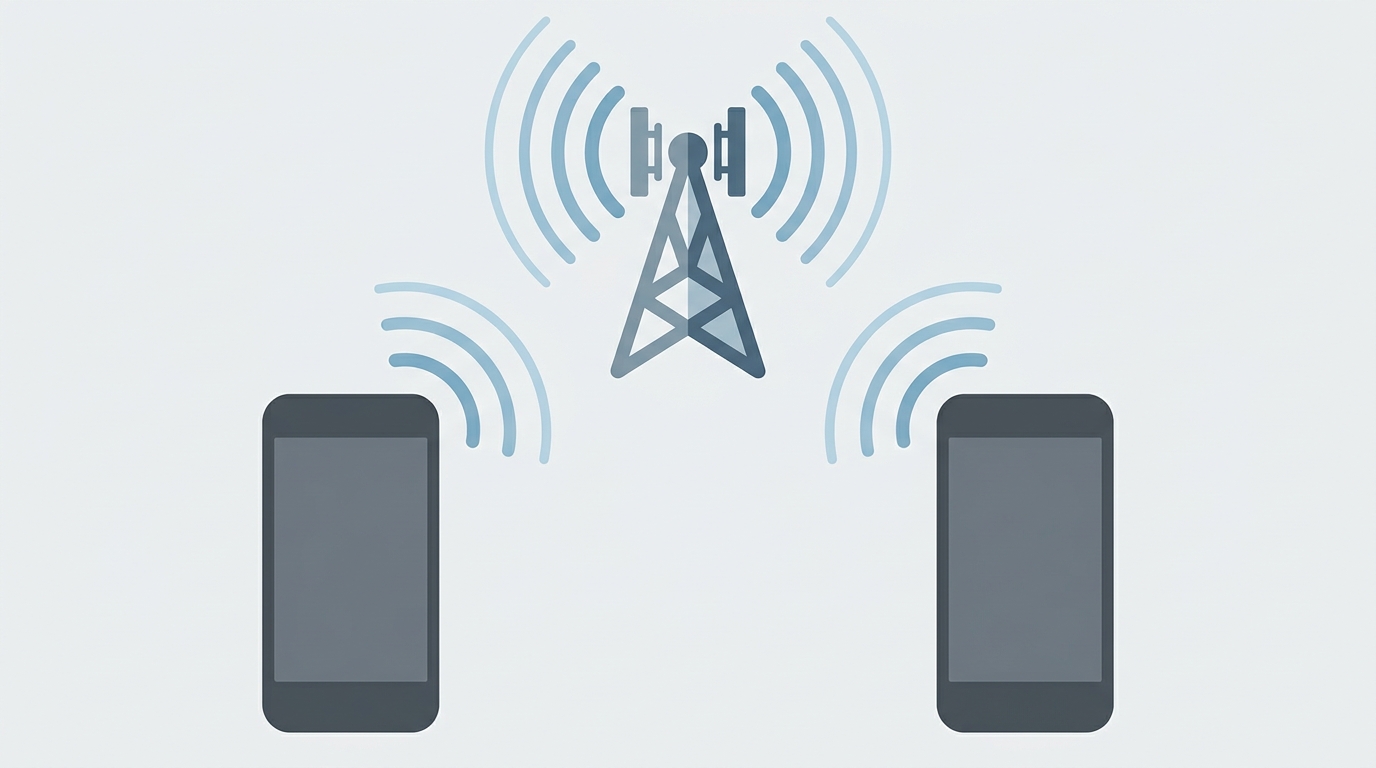
How the “Unlock to Switch” Mechanic Works
iPhone Handoff operates differently than the “NumberShare” features used for the Apple Watch. While an Apple Watch and iPhone can ring at the same time, iPhone Handoff uses an “Unlock to Switch” mechanic to manage the active cellular connection.
The service follows the user’s activity. When you pick up and unlock your secondary iPhone, the cellular line automatically migrates to that device. This “service follow” behavior ensures that cellular data and incoming calls are routed to the device currently in use, preventing the confusion of multiple handsets ringing in different rooms.
Technical Requirements and Setup
The feature is built on modern networking standards and carries specific hardware and software requirements:
- Software: Both iPhones must be updated to iOS 27 or later.
- SIM Technology: The service requires eSIM. Physical SIM cards are not compatible with the Handoff architecture.
- Account Status: Users must designate one device as the “Main” iPhone and the other as the “Secondary” device within the iOS Cellular settings menu during the initial setup.
Unlike previous Continuity features, the two iPhones do not need to be on the same Wi-Fi network or within Bluetooth range of each other to hand off calls. Because the handoff happens at the carrier level, the secondary phone remains fully functional even if the primary phone is left at home or loses battery.
