
Rabbit has launched OS3, a new “agentic operating system” that functions as a standalone software layer on existing computers, removing the requirement for the company’s proprietary R1 handheld hardware. The release coincides with reports that Rabbit has discontinued manufacturing of the R1 device as it pivots toward a cross-platform software model.
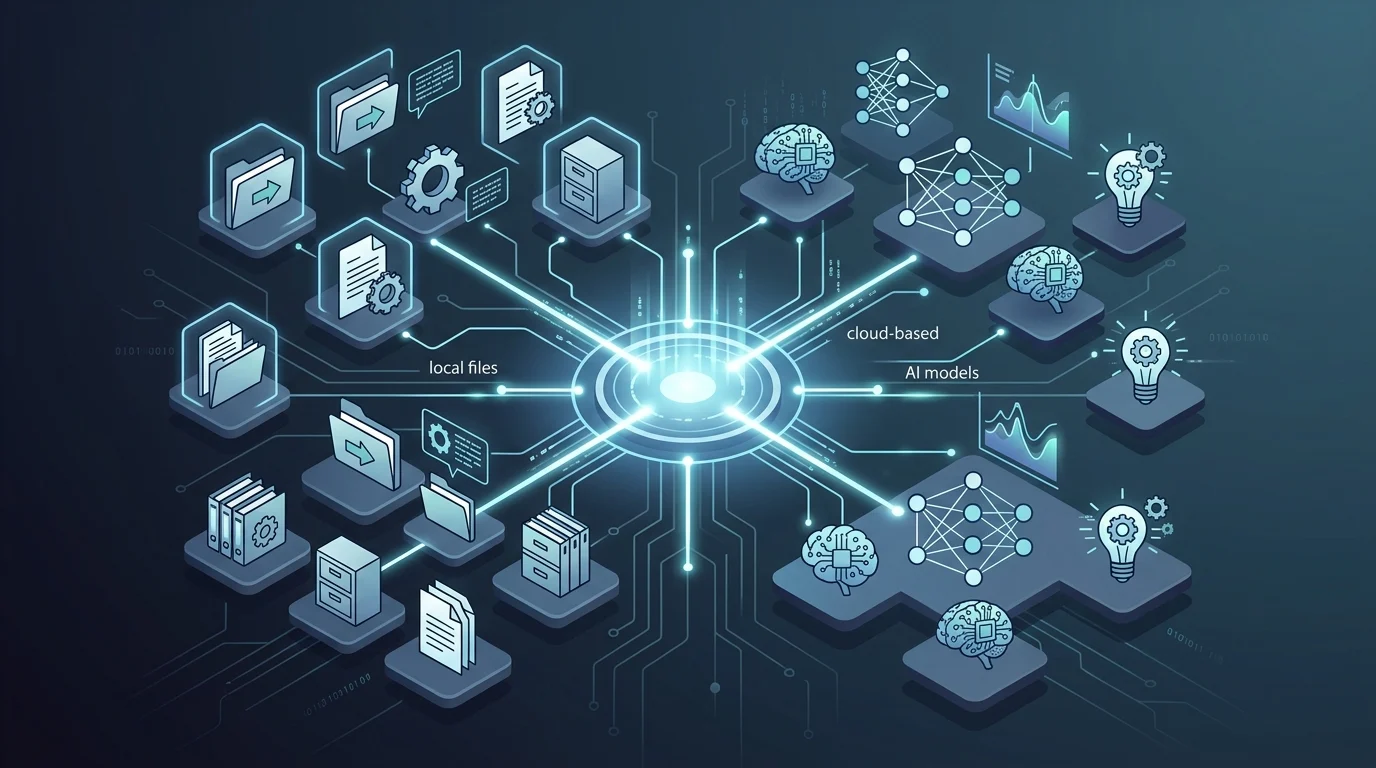
The Rabbit OS3 platform is designed to operate across Windows, macOS, and Linux. To facilitate this, users install a “local agent node” on their machines, which allows the AI to interact with local files and perform tasks across the operating system. According to the company, a single OS3 account can support up to five separate devices simultaneously.
The “Bring Your Own Key” Model
In a departure from the subscription or hardware-bundled models common in the AI sector, Rabbit is offering OS3 as a free service but utilizing a “Bring Your Own Key” (BYOK) pricing structure. While the software itself does not carry a monthly fee, users must provide their own API keys from third-party AI providers, such as OpenAI’s GPT-4 or Anthropic’s Claude, to process prompts. This shift moves the direct cost of model usage from Rabbit to the individual user.
Regarding data handling, Rabbit states that OS3 does not store, copy, or sell user data. However, the system’s architecture requires that chats and “memories” be stored on Rabbit’s servers to maintain context, and local file information must be routed through those servers to reach the third-party AI models selected by the user.
From Handhelds to “Vibe-Coding”
The transition to OS3 signals a change in Rabbit’s hardware strategy. While the R1 was designed as a dedicated AI companion, the company is now reportedly focusing on a different type of hardware. Rabbit founder Jesse Lyu has confirmed the development of a “cyberdeck” intended for “vibe-coding”—a style of rapid, AI-assisted software development—which is expected to be unveiled in the coming months.
Existing R1 owners will still be able to use their devices, as the handheld effectively acts as a terminal for the new agentic system. However, the focus of the “agentic operating system” is now firmly on the desktop environment, where the company’s “large action model” (LAM) can interact with a wider array of professional and personal productivity tools.
