
Flow Engineering, a three-year-old startup, has raised $50 million in a Series B funding round. The investment, co-led by Antonio Gracias of Valor Equity Partners and Gavin Baker of Atreides Management, marks a significant bet on “industrial AI”—specifically, software designed to accelerate the development of complex hardware systems like rockets, electric vehicles, and defense technology.
The round saw participation from Sequoia Capital, which previously led the company’s Series A. Notably, Sequoia Managing Partner Roelof Botha joined Flow’s board of directors and invested in the company as an individual angel. Other participants in the Series B include Human Capital, SV Angel, Evantic, Odyssey, and EQT, along with individual investors such as Thomas Wolf and former Formula 1 champion Nico Rosberg.

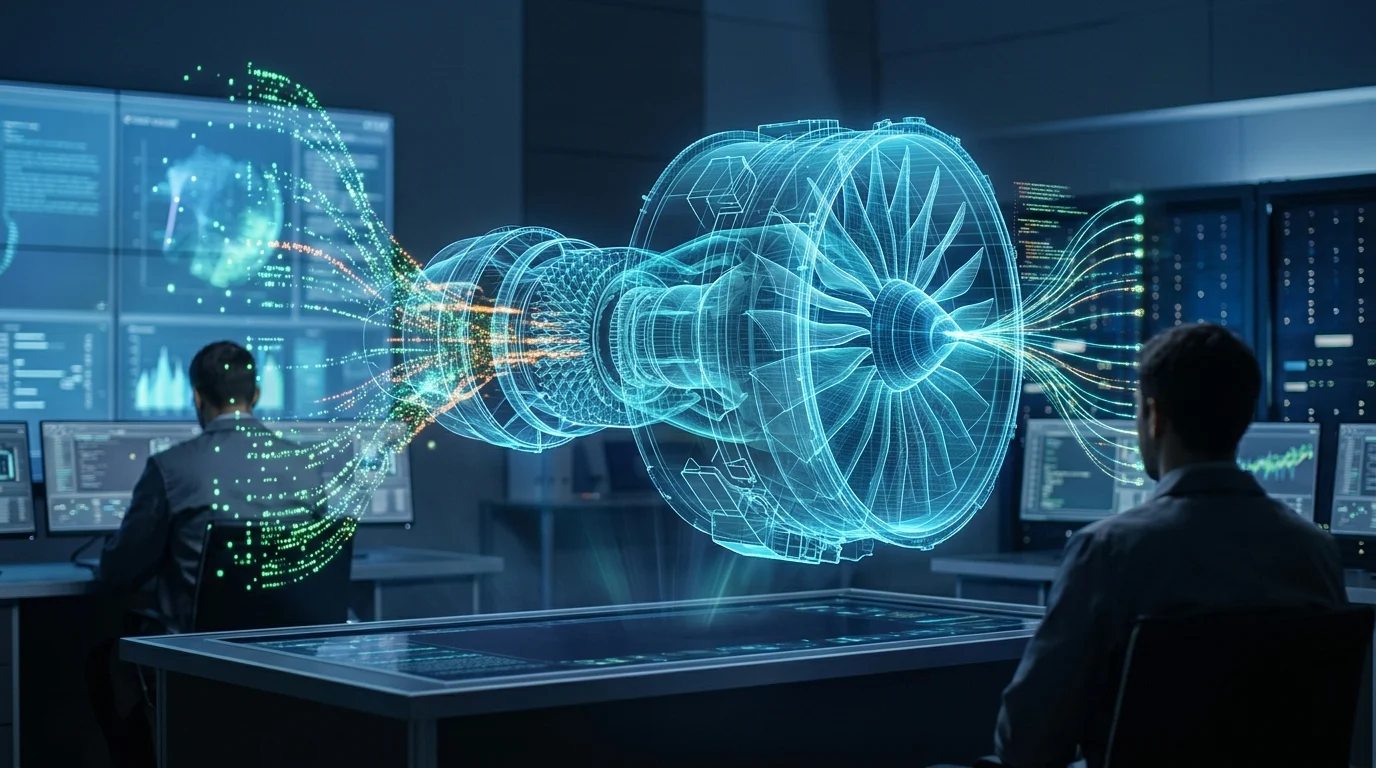
Founded by CEO Pari Singh, Flow Engineering aims to eliminate the traditional bottlenecks in hardware engineering by applying principles more commonly found in software development. The platform functions as a centralized data environment—often described as a “GitHub for hardware”—that reconciles disparate data streams including Computer-Aided Design (CAD) drawings, simulations, and strict engineering requirements in real-time.
In traditional engineering environments, changes to a single component can take weeks or months to verify against the rest of the system, as engineers must manually update documentation and rerun simulations. Flow Engineering uses AI agents to automate this design verification process, allowing engineering teams to identify conflicts immediately. This capability is particularly critical for “hard tech” industries where the cost of a design error can be catastrophic.
The company has already secured a roster of high-profile clients in the aerospace and defense sectors, including Rivian, Joby Aviation, Stoke Space, and Anduril Industries. By automating the alignment between design and engineering requirements, the platform allows these companies to iterate on physical hardware at speeds that more closely resemble agile software cycles.
The involvement of Gracias and Baker further aligns Flow with the “Musk-o-sphere” of engineering-heavy enterprises. Gracias was an early investor in Tesla and SpaceX, while Baker has a history of backing major tech infrastructure players like Nvidia. Their support suggests that Flow is being positioned as foundational infrastructure for the next generation of industrial giants.
According to technical details regarding the platform, the software does not replace human systems engineers but rather assists them by handling the rote task of cross-referencing thousands of engineering constraints. By connecting requirements directly to CAD and simulation data, the platform ensures that if a weight limit is exceeded or a thermal constraint is breached, the relevant teams are notified instantly, preventing downstream production delays.
