
Apple released the fourth-generation Mac Studio featuring M5 Max and M5 Ultra chips on August 25, 2026, marking the latest update to a hardware line that has become the centerpiece of its professional desktop strategy. While the external chassis remains unchanged since the product’s debut in March 2022, the internal architecture has evolved from a high-end creative tool into a specialized node for artificial intelligence infrastructure.
The most recent iteration introduces Thunderbolt 5, which supports data transfer speeds up to 120Gb/s. This bandwidth expansion facilitates a new “Clustering” feature exclusive to the M5 generation. This technology allows up to four Mac Studio units to be linked via Remote Direct Memory Access (RDMA), functioning as a single distributed node for Large Language Model (LLM) inference.

The Architecture of Consistency
The Mac Studio has maintained a strictly uniform footprint across four generations. The aluminum enclosure remains a 7.7-inch square standing 3.7 inches tall. This consistency allows professional studios to maintain existing rack mounts and peripheral layouts even as the internal capabilities shift.
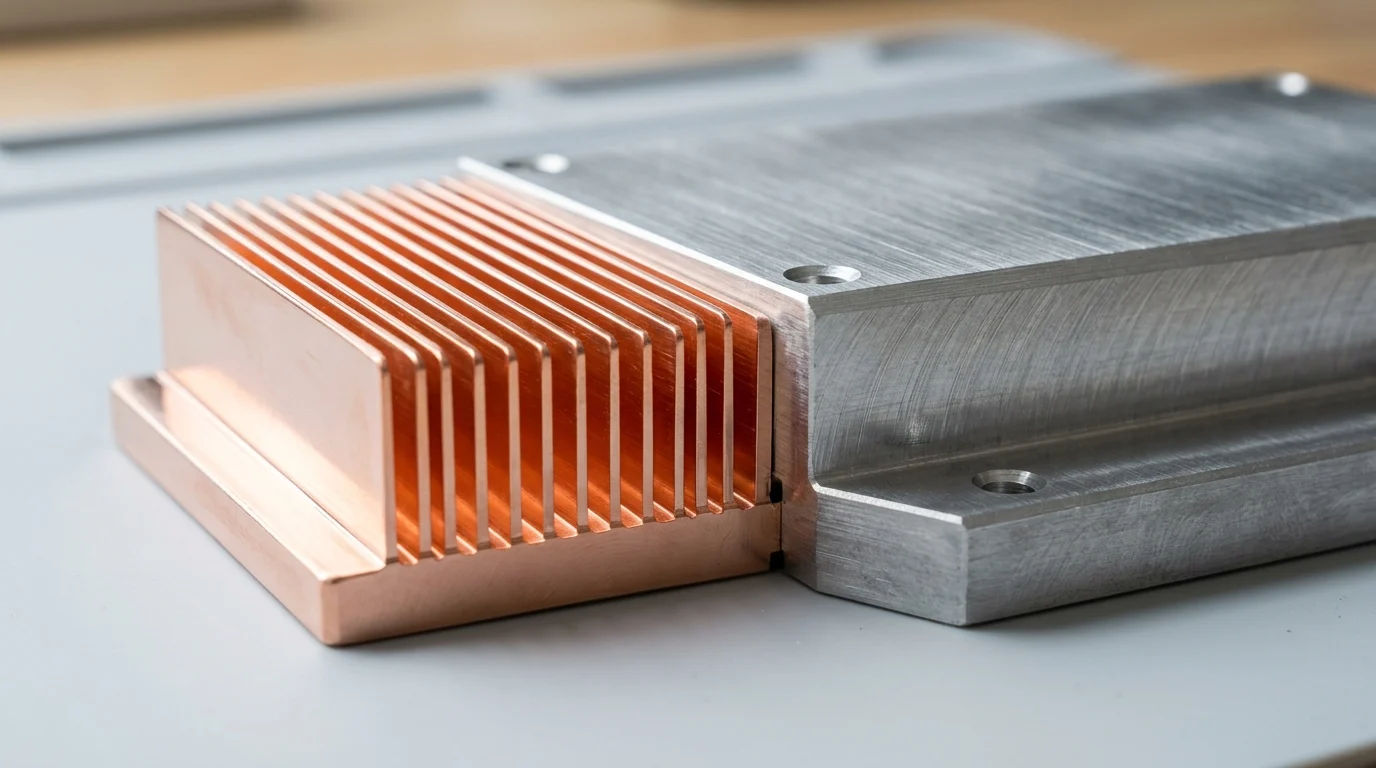
Despite the identical exteriors, weight remains a key indicator of the internal specifications. Models equipped with the “Ultra” class of silicon continue to use a copper thermal module to manage the increased heat output of the doubled-die architecture. This makes Ultra models approximately two pounds heavier than the “Max” versions, which utilize a lighter aluminum heatsink.
Connectivity has seen a steady progression. While the original 2022 model shipped with Wi-Fi 6, the 2026 M5 generation incorporates the Apple N1 chip, enabling support for Wi-Fi 7 and Bluetooth 6.
The 2025 Pricing Shift
A significant change in the Mac Studio’s market positioning occurred in early 2025. Following years of a $1,999 entry-level price point, Apple increased the base cost to $2,499. This 25% price hike was attributed to rising global memory supply costs during that period.
Memory and AI Performance
The trajectory of the Mac Studio has been defined by the rapid scaling of unified memory. The Mac Studio specifications show that maximum memory capacity has grown from 128GB in the original M1 Ultra to 512GB in the current M5 Ultra configurations.
This memory expansion, combined with the new clustering capabilities, reflects a shift in how the hardware is utilized. While the first two generations were marketed primarily toward video editors and 3D artists, the M5 generation focuses on local AI development. The ability to pool memory across four units allows for the local execution of significantly larger models than was possible on standalone workstations just two years prior.
The 2026 Mac Studio continues to offer a variety of front-facing ports, including two Thunderbolt 5 ports (on Ultra models) and an SDXC card slot, maintaining the accessibility that defined the original 2022 design.
