Jeremy Clarkson has faced a third major setback in his ongoing effort to expand the business operations at Diddly Squat Farm. The broadcaster and farmer detailed the latest planning rejection during an appearance at the Conservative Party Conference in early October 2026, where he criticized the current government’s approach to the rural economy.
The “third blow” stems from a 2026 decision by the Planning Inspectorate to uphold a refusal for new infrastructure at the Oxfordshire site. This latest ruling follows a pattern of regulatory resistance that has hindered Clarkson’s attempts to diversify his farming income through visitor facilities and on-site hospitality.
A Timeline of Planning Rejections
The conflict between Diddly Squat Farm and planning authorities has unfolded in three distinct phases since the launch of the popular Clarkson’s Farm series. Each “blow” represents a significant legal or administrative hurdle that has forced the closure or downsizing of planned projects.
- 2022: The Restaurant Closure: The first major conflict occurred when West Oxfordshire District Council ordered the closure of a farm restaurant Clarkson had opened in a converted barn. The council argued the development was out of character with the Cotswolds Area of Outstanding Natural Beauty.
- 2023: The Parking and Cafe Dispute: A second hurdle arrived when local authorities initially refused permission for an expanded parking lot and a cafe. While a planning inspector later granted partial permission for the parking area to alleviate local traffic congestion, other elements of the expansion were curtailed.
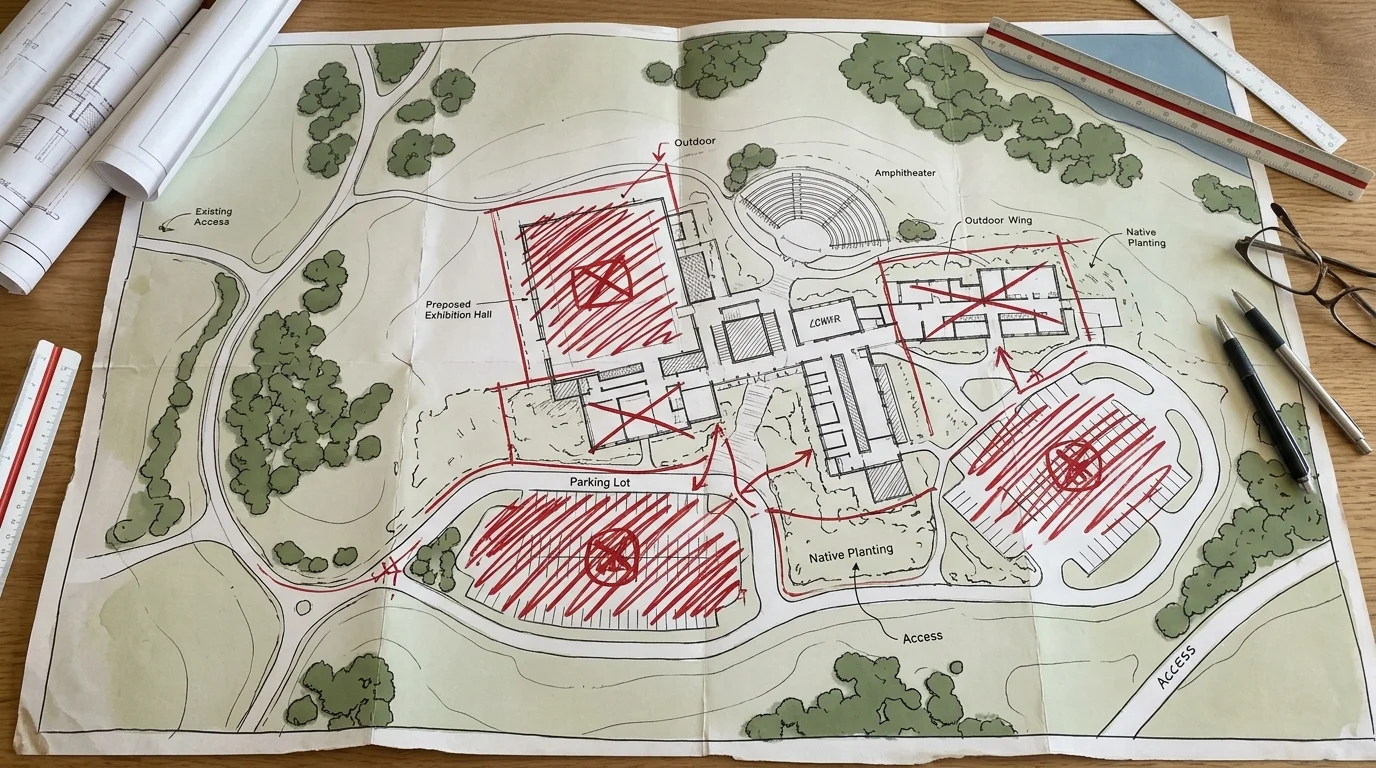
- 2026: The Infrastructure Rejection: The most recent setback involves the Planning Inspectorate’s decision to uphold a local refusal for a new visitor center and improved farm infrastructure. This decision effectively blocks Clarkson’s latest attempt to modernize the site’s logistical capabilities.
Political Friction and Agricultural Policy
During his address at the Conservative Party Conference, Clarkson argued that the combination of rigid planning laws and new fiscal policies is making traditional farming increasingly untenable. He specifically targeted the Labour government’s adjustments to Agricultural Property Relief (APR), a tax exemption that has historically allowed family farms to be passed down through generations without heavy inheritance tax burdens.
Clarkson claimed that the tightening of these tax rules, combined with the difficulty of securing planning permissions for diversified income streams, represents an existential threat to the industry. He suggested that without the ability to build infrastructure or host visitors, many farmers will struggle to bridge the gap left by the phase-out of post-Brexit farming subsidies.
While Clarkson’s criticisms are directed at the central government, the planning process remains a complex interaction between local council autonomy and national inspectors. The Planning Inspectorate, which delivered the most recent blow, operates as an executive agency but remains bound by established environmental and land-use frameworks that Clarkson has frequently described as “bureaucratic red tape.”
The ongoing stalemate at Diddly Squat Farm highlights a broader national debate regarding the balance between preserving protected landscapes and allowing rural businesses to evolve. For Clarkson, the latest rejection marks a definitive halt to his current expansion plans, leaving the future of the farm’s visitor infrastructure in a state of uncertainty.