
CMF, the former sub-brand of Nothing, officially launched its first portable Bluetooth speakers on October 12, 2026. The new Speaker S and Speaker M feature a distinctive “milk carton” industrial design, characterized by a gable-top silhouette and a modular build that marks the brand’s first major hardware release since transitioning into a standalone entity.
The launch coincides with a significant corporate shift for the brand. In late September, founder Carl Pei confirmed that CMF is spinning off from Nothing to become a standalone Indian-headquartered company. The move establishes CMF as a majority Indian-owned business, distancing its operations from its London-based parent company while maintaining a focus on budget-friendly, design-centric technology.
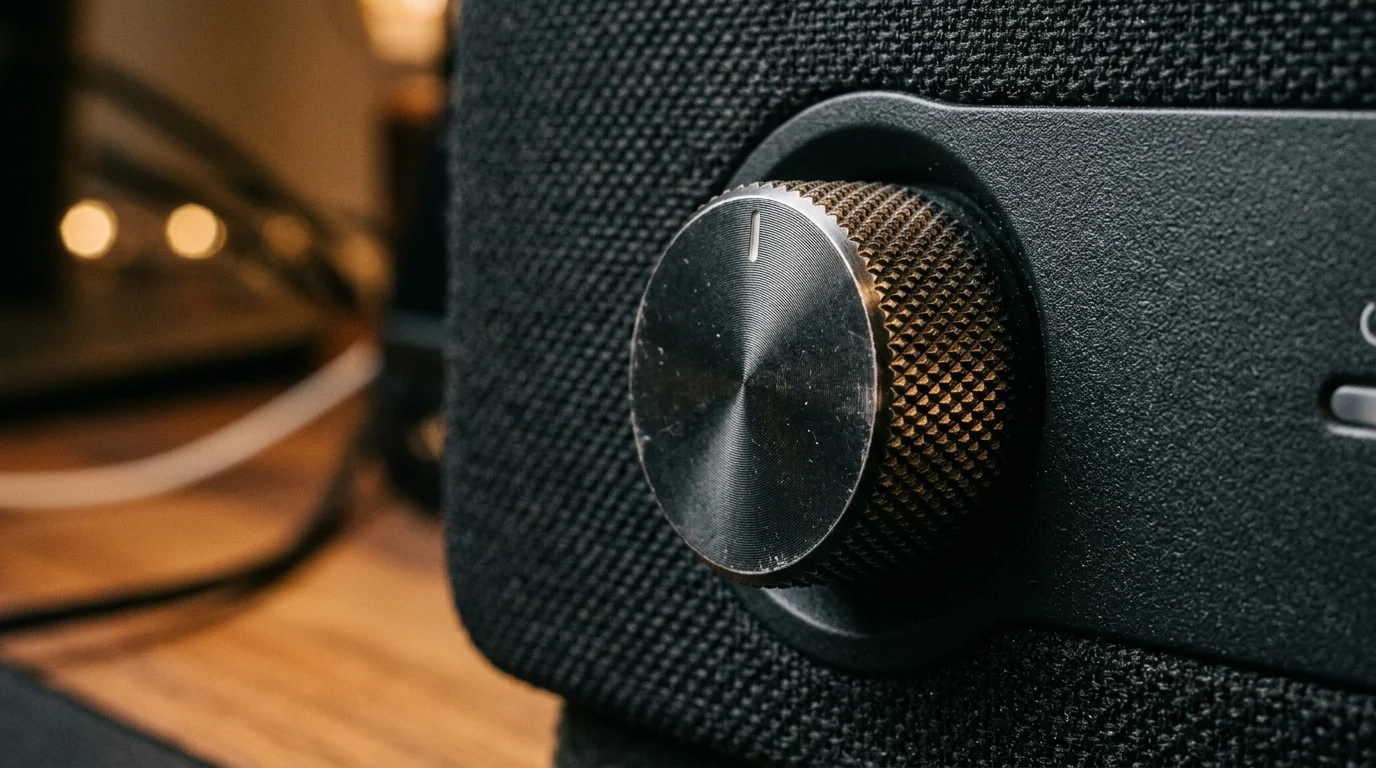
The Speaker M, priced at $109, serves as the flagship of the pair. It delivers a total 35W RMS output, powered by a 25W woofer and a 10W tweeter. Weighing 602g, the device is designed for higher-volume environments while maintaining the series’ signature tactile volume knob. The smaller Speaker S enters the market at $59, weighing 334g and providing a 10W RMS output via a 45mm full-range driver paired with dual passive radiators.
Both models incorporate Bluetooth 6.0, an advanced wireless standard that is relatively rare in the budget speaker segment. They also support an Auracast-powered “Party Mode,” which allows users to synchronize audio across multiple compatible speakers regardless of brand.
Technical Specifications at a Glance:
- Battery Life: Up to 18 hours of playback on a single charge for both models.
- Durability: IP68 rating for dust and water resistance.
- Connectivity: Bluetooth 6.0 with Auracast support.
- Customization: Swappable front panels and volume knobs.
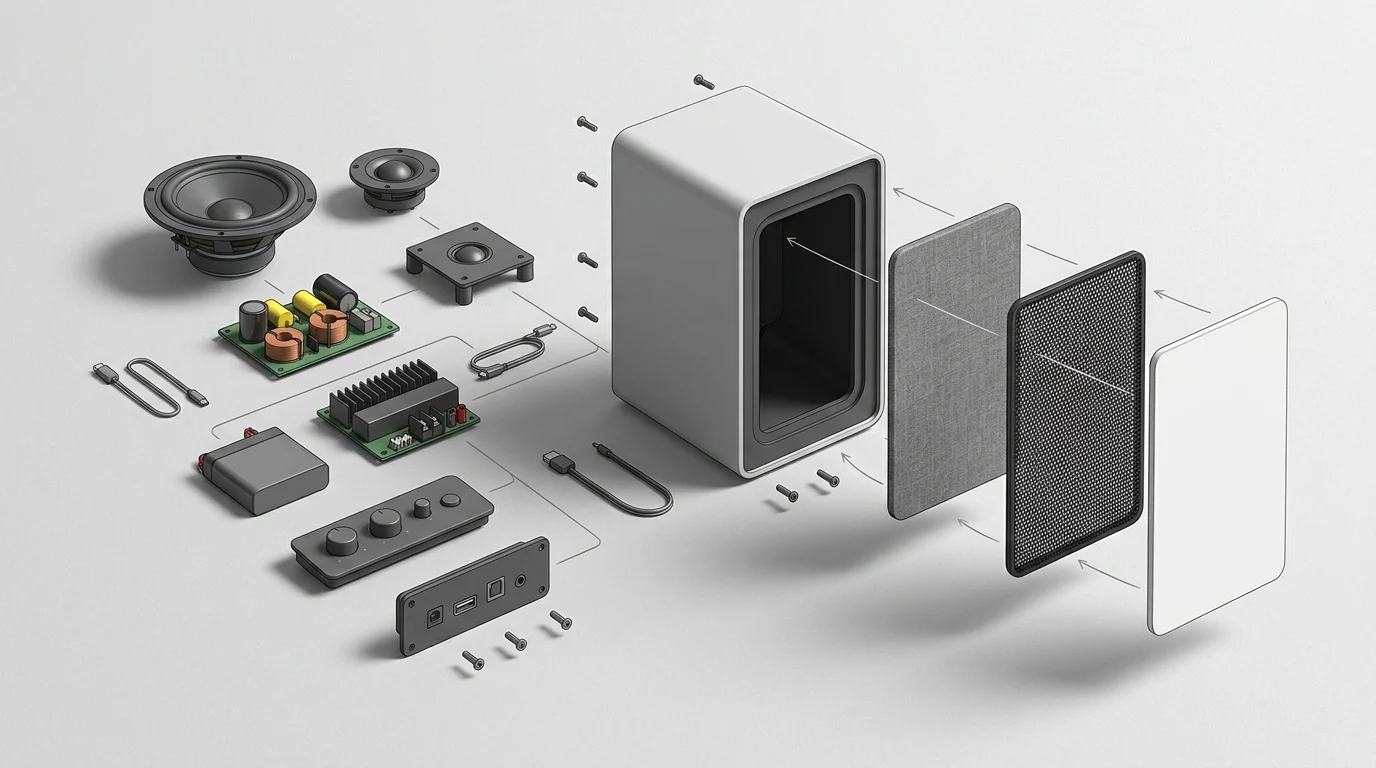
Beyond the “grocery-aisle” aesthetic, CMF is emphasizing user-led personalization. The speakers feature modular components, including swappable front panels and knobs. To support this, CMF is releasing official 3D design files to the public, allowing users to 3D-print their own custom hardware covers and control interfaces.
This modular approach, combined with the “S&M” naming convention used in the brand’s marketing materials, represents a pivot toward a more independent identity. By providing the tools for DIY repair and aesthetic modification, the company appears to be targeting a demographic that values both industrial design and hardware longevity.
