
Google’s transition to a dedicated Android-based desktop platform marks a significant shift in its premium hardware strategy. The first wave of Googlebooks—led by 14-inch models from Asus and HP—retails for approximately $1,299.
By moving away from the ChromeOS foundation in favor of the “Googlebook OS” tech stack, Google is attempting to bring the depth of the mobile ecosystem to the desktop. However, this transition currently functions as a double-edged sword: while it grants users access to a vast library of software, it also introduces strict ecosystem requirements and early technical friction that complicate the user experience on high-end hardware.
Hardware Identity and AI Integration
The $1,299 price point places Googlebooks in direct competition with established premium laptops like the MacBook Air and Dell XPS. To differentiate these devices, Google has introduced hardware-specific features designed to bridge the gap between mobile notifications and desktop productivity.
According to the Google Blog, the devices feature a “Glowbar,” an RGB light indicator used for system notifications, and a dedicated “G-key” for accessing integrated AI functions. One of the primary software differentiators is the “Magic Pointer,” a gesture-based AI cursor tool that provides contextual actions within the OS, distinguishing it from standard Android or ChromeOS implementations.
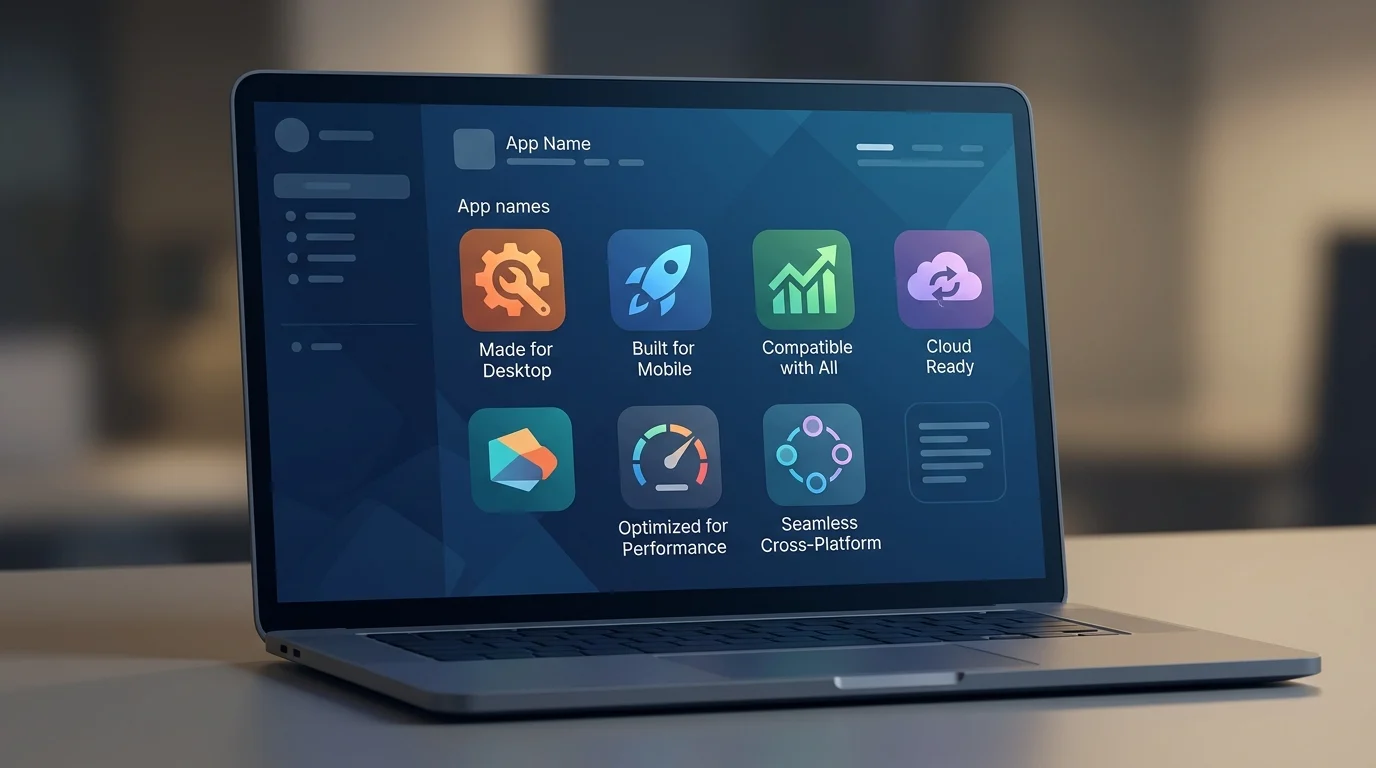
To manage the transition of mobile software to a larger screen, the Play Store on Googlebooks now utilizes five specific compatibility labels. These range from “Made for desktop” to “Built for mobile,” helping users identify which applications will scale correctly to a 14-inch display and which may still suffer from the “stretched phone app” layout common in earlier mobile-to-desktop attempts.
The Android 17 Requirement
The most significant hurdle for early adopters is the mandatory requirement for Android 17. While Googlebooks are marketed on the strength of “seamless” cross-device connectivity, core features such as “Cast My Apps”—which mirrors phone applications to the laptop—and “Continue On” for task hand-offs are restricted to smartphones running the latest version of the mobile OS.
This requirement effectively excludes a large portion of current Android users from the full Googlebook ecosystem until their mobile hardware is updated.
Google has begun addressing these launch-day stability issues through software patches. On October 12, 2026, the company released a Play Services update specifically designed to resolve pairing bugs and enable “Better Together” support for Samsung Galaxy phones. This update was a critical step in broadening the device’s utility, as Samsung integration was a notable omission at the initial launch.
As the platform matures, the value proposition of the Googlebook will likely depend on how quickly Google can refine the mobile-first software architecture for a professional desktop environment. For now, the devices represent a high-performance experiment in whether Android can truly thrive as a primary laptop operating system.
