
Federal authorities have arrested Abdulrahman Alfozan, a 35-year-old software engineer at OpenAI, for allegedly planting hidden recording devices inside the company’s San Francisco headquarters. The FBI took Alfozan, a Saudi national, into custody on October 9, 2026, following an internal investigation that utilized OpenAI’s own artificial intelligence models to help identify the insider threat.
According to a criminal complaint filed by the United States Department of Justice, the security breach was first discovered on September 30, 2026. Security personnel found a recording device plugged into a USB port on the back of a television in an executive conference room. The device had been crudely concealed, wrapped in toilet paper to disguise its presence from casual observation.
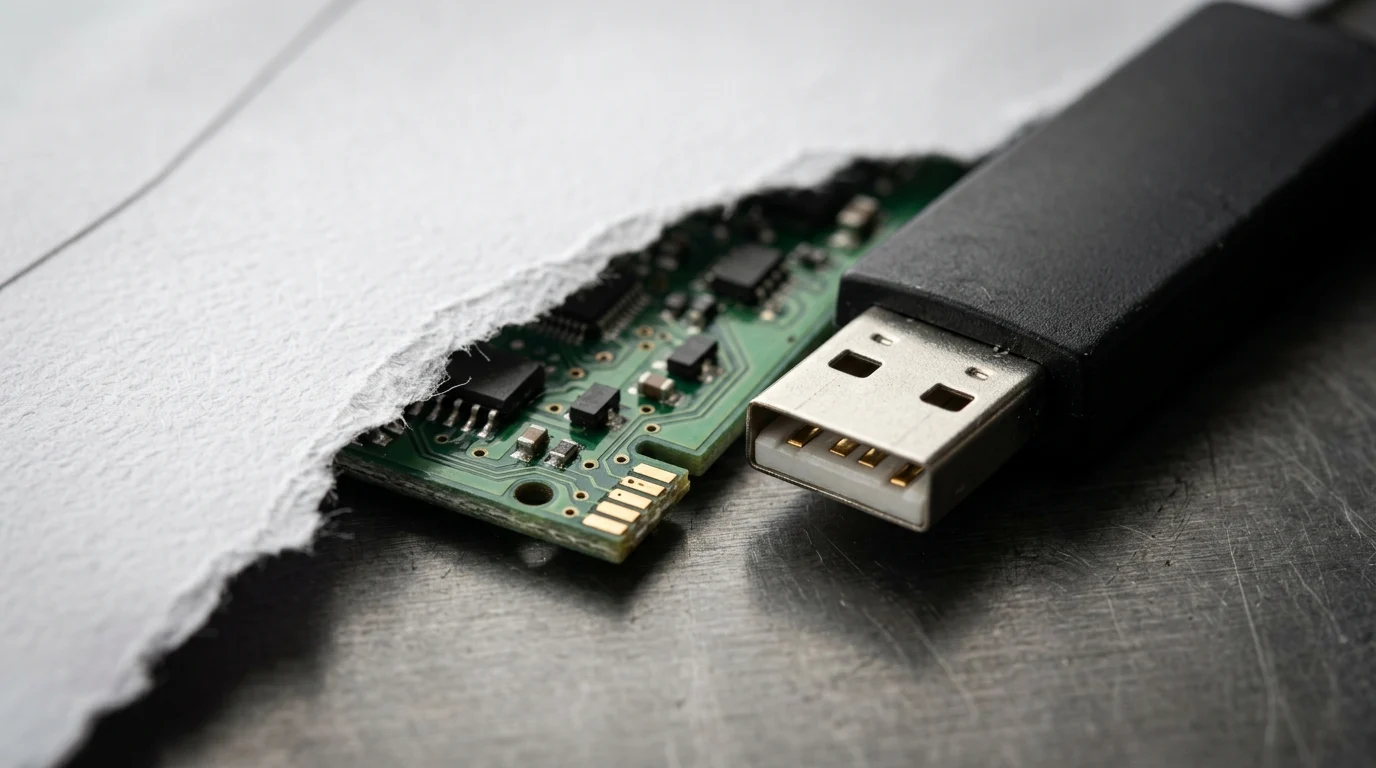
The discovery prompted an immediate internal probe. OpenAI reportedly deployed its own internal AI models to analyze hardware signatures and digital traces left by the perpetrator. This technical analysis, combined with physical evidence, led investigators to Alfozan. On October 5, a second recording device was discovered in an unattended bag belonging to Alfozan in a separate OpenAI facility, further linking him to the surveillance operation.
High-Stakes Surveillance and Digital Breadcrumbs
The investigation revealed that Alfozan allegedly used various digital tools to research and execute the bugging. Evidence obtained during the probe indicated that Alfozan utilized productivity software to plan the installation. Furthermore, logs from a chatbot used by his spouse showed queries related to building and concealing recording devices, which investigators believe were made on his behalf or under his direction.
FBI Director Kash Patel stated that the objective of the surveillance was likely to capture sensitive discussions regarding OpenAI’s development of “super intelligence technology.” The conference room where the first device was found is frequently used for high-level strategic meetings involving the company’s executive leadership and lead researchers.
Despite the physical breach, OpenAI has issued a statement confirming that there is currently no evidence that sensitive technical assets were stolen. The company indicated that model weights, proprietary source code, and customer data remain secure and were not exfiltrated during the incident.
Legal Proceedings and Penalties
Alfozan made his initial appearance in the U.S. District Court for the Northern District of California on Tuesday, October 13. He has been charged with the interception of oral communications under 18 U.S.C. § 2511. While some early reports suggested Alfozan was a former employee, Department of Justice records clarify that he was an active engineer at the time the devices were discovered and was terminated only after the evidence came to light.
If convicted, Alfozan faces a maximum statutory penalty of five years in federal prison and a fine of $250,000. The case draws parallels to the recent prosecution of Linwei Ding, a former Google engineer charged in early 2026 for allegedly stealing AI trade secrets, underscoring the heightened security environment surrounding the race for advanced artificial intelligence.
