
As the DC Universe prepares for the release of Clayface on October 23, 2026, director James Watkins and original writer Mike Flanagan are clarifying the creative evolution that shifted the project from a “mythic” tragedy into a visceral body-horror thriller.
The film, which stars Tom Rhys Harries as the disfigured actor Matt Hagen, marks a significant tonal departure for the franchise as the first R-rated theatrical entry in DC Studios’ “Chapter One: Gods and Monsters” slate. While Flanagan is credited for the story and screenplay, the director of The Fall of the House of Usher has publicly distanced his own creative fingerprints from the final product, describing it as “James Watkins’ movie.”
The Shift from Myth to Body Horror
According to Watkins, the production involved a “page-one” rewrite by Hossein Amini that fundamentally altered the narrative’s foundation. Watkins revealed that Flanagan’s original draft contained several mythic elements and philosophical inquiries regarding the nature of shape-shifting and humanity. These were ultimately removed in favor of a more grounded, gritty approach.
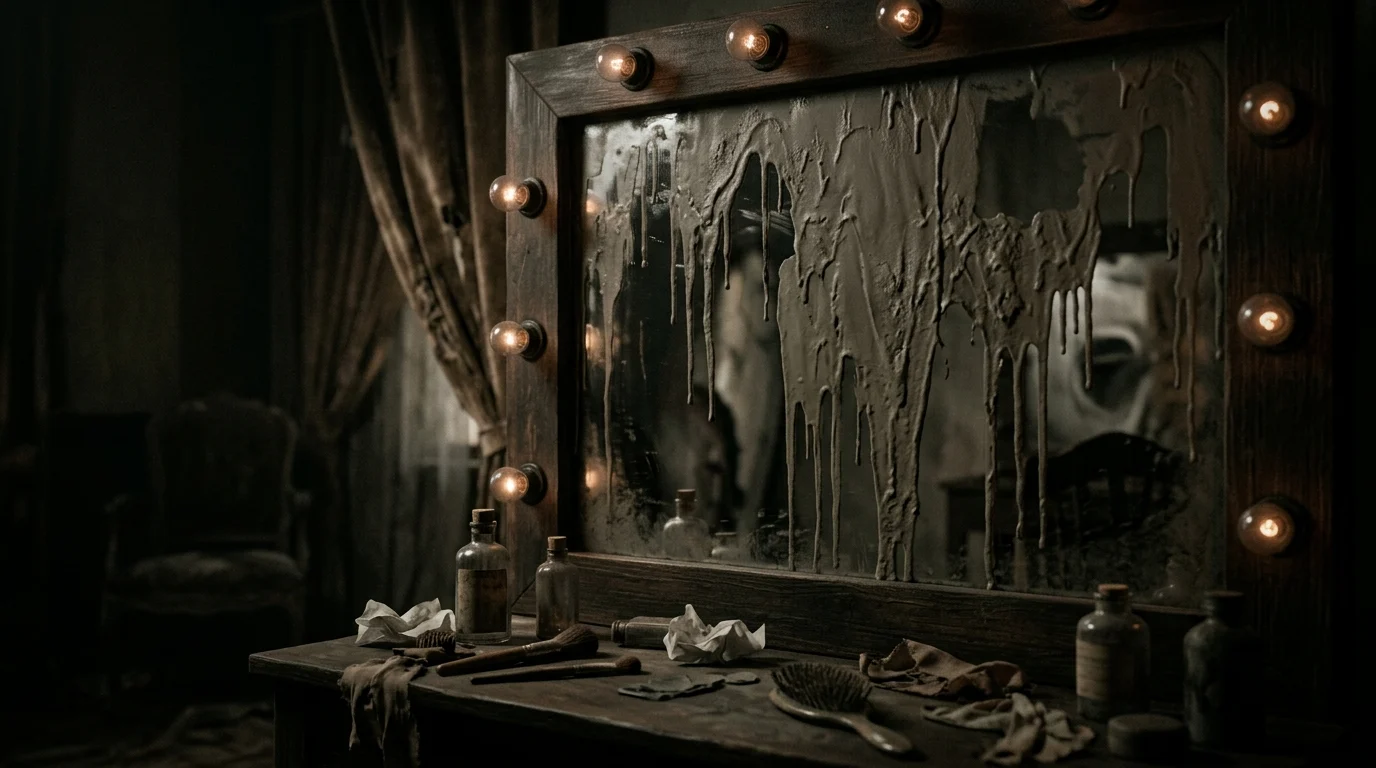
The director’s vision prioritized the physical and psychological horror of Hagen’s transformation. Rather than focusing on the more abstract or legendary aspects of the character, the final script emphasizes the trauma of a Hollywood actor undergoing a disfiguring attack. This direction aligns with early development discussions involving producer Matt Reeves, who initially envisioned the project as a genre-focused horror film within the orbit of Gotham City.
DCU Integration and Production Scope
Although Clayface was originally developed as a potential spin-off within the universe of 2022’s The Batman, DC Studios co-head James Gunn has confirmed the film is now a core installment of the main DCU. This transition occurred as the project moved from a smaller-scale horror concept into a $40 million production filmed on location in Liverpool.
Despite the change in the character’s cinematic lineage, the film maintains its standalone horror identity. Mike Flanagan has noted that he has not yet seen the finished film, reinforcing that the version reaching audiences is the result of Watkins’ specific directorial choices rather than his own initial draft.
The project’s R-rating and mid-range budget suggest a strategic focus on adult-oriented genre storytelling. By stripping away the more philosophical or “mythic” tropes common in superhero origins, Watkins has positioned the film to lean into the “Gods and Monsters” subtitle of the current DC chapter, focusing on the monstrous reality of its central character.
