

Opera has launched WebAI as an opt-in early preview designed to enable the execution of artificial intelligence models locally within the browser. The technology is debuting for the Opera One flagship browser, marking a transition from the company’s experimental 2024 local LLM features to a more formalized developer platform.
By moving AI processing from remote servers to the user’s own hardware, the WebAI standard aims to address two primary barriers to browser-based AI: privacy and cost. Local execution ensures that sensitive data never leaves the device, while bypassing cloud-based API tokens allows developers to offer AI features without incurring ongoing infrastructure expenses.
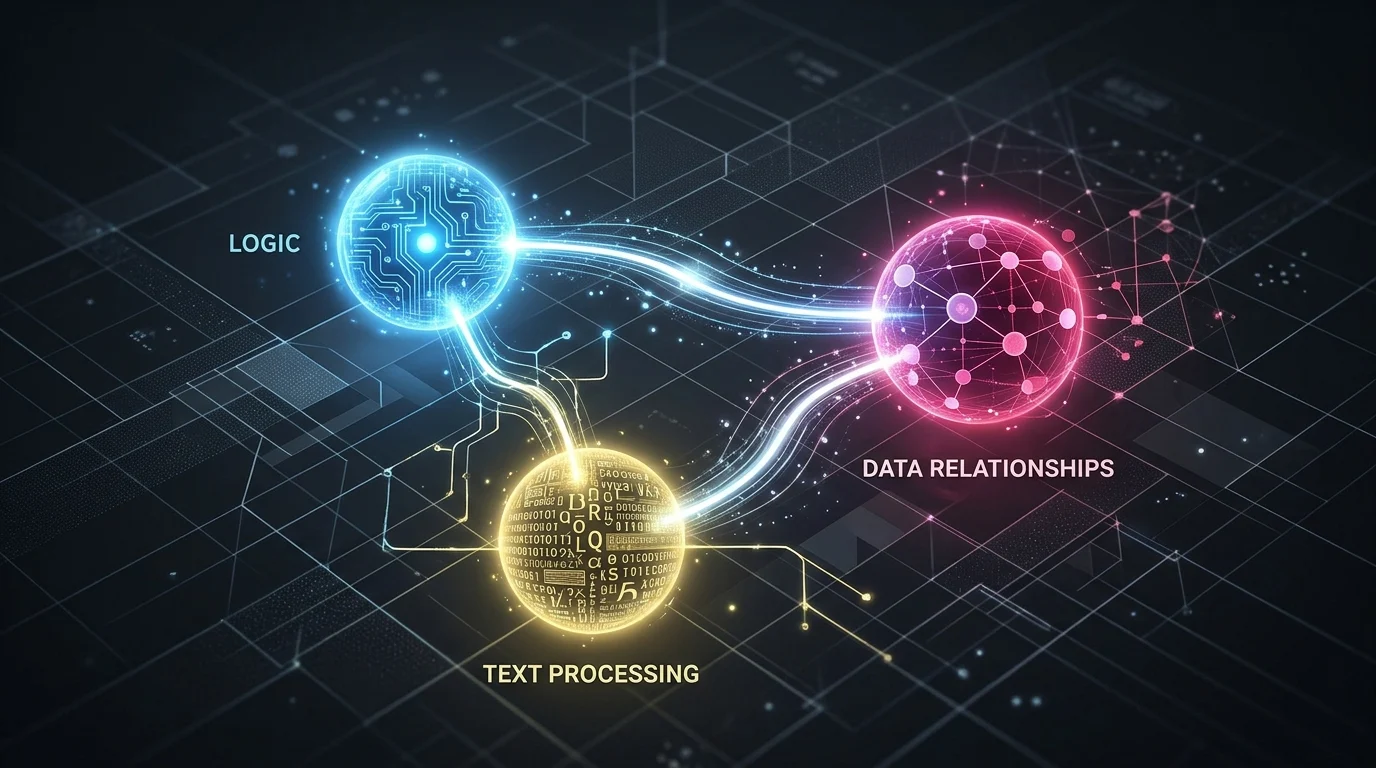
Technical Framework: The Three Pillars of WebAI
Unlike lower-level acceleration technologies like WebGPU or WebNN, WebAI is designed as a high-level API suite that simplifies how web applications interact with local models. The standard is built around three core APIs that define its functionality for developers:
Prompt API: This allows applications to send instructions directly to a local language model, facilitating tasks like text generation, summarization, or coding assistance without a cloud connection.
Decision API: Designed for logic-based tasks, this API helps the browser determine the best course of action or categorize data based on user input and local model analysis.
Semantic Embeddings API: This enables the browser to understand the relationship between different pieces of data, which is essential for advanced search, personalized recommendations, and local retrieval-augmented generation (RAG).
The standard is designed to be model-agnostic, meaning it does not lock users into a single provider. In its current form, WebAI supports several open-weight models, including Google’s Gemma family and Apple’s on-device foundation models for users on compatible hardware.
Hardware Requirements and Industry Support
The early preview of WebAI comes with specific hardware limitations. Currently, the local AI features are only available for users on 64-bit Windows PCs and Apple Silicon Macs (M1 and newer). Intel-based Macs and Linux systems are not supported in this initial release.
Opera has stated that the WebAI standard is backed by industry leaders including Google and Microsoft, aligning with the efforts of the W3C WebAI Interest Group. While these companies have not issued formal joint statements regarding this specific launch, their involvement in the underlying interest group suggests a broader industry movement toward standardized local AI execution.
For users, the transition to local models means that once a model is downloaded to the device, it remains free to use regardless of the frequency of prompts. This shifts the compute burden to the local GPU and NPU (Neural Processing Unit), making the performance of the AI directly dependent on the user’s specific hardware capabilities rather than their internet bandwidth or a service provider’s server load.
