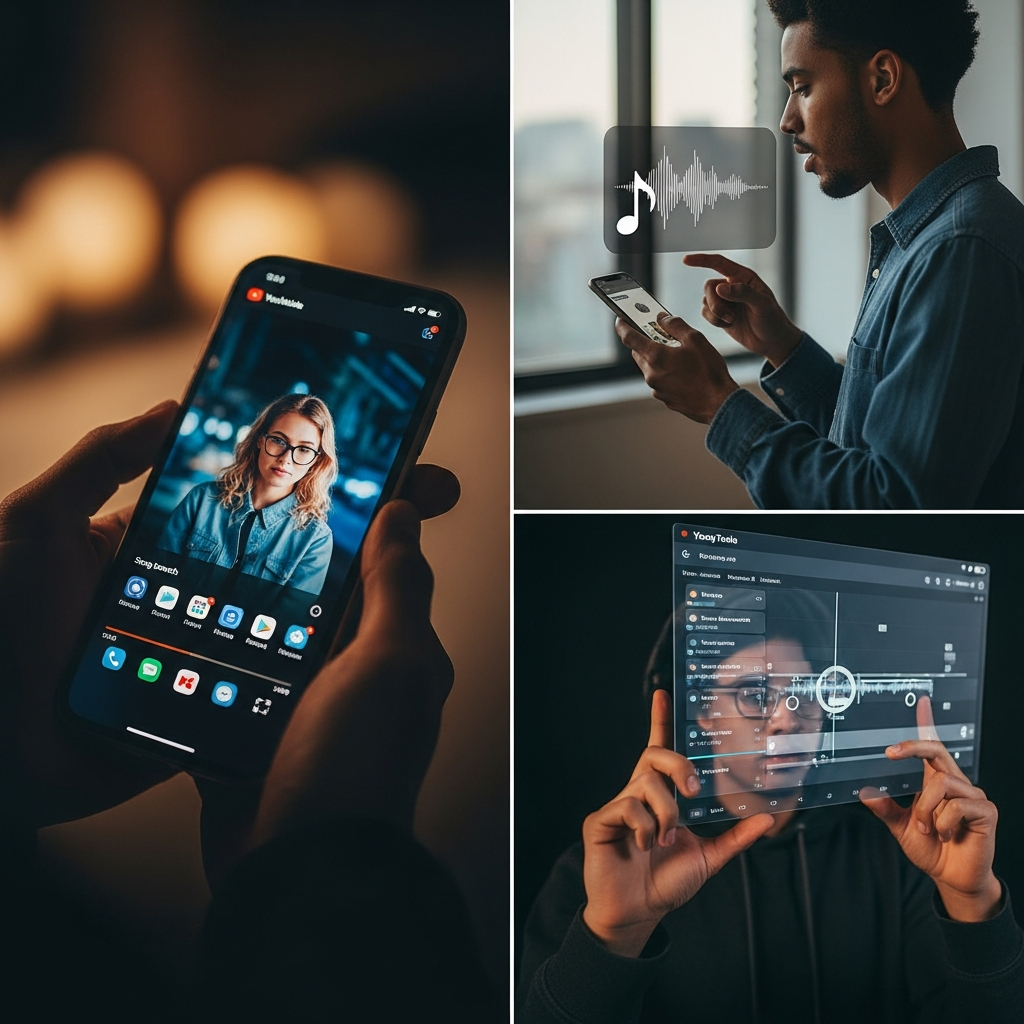
- Predictive Navigation: YouTube has shifted from manual scrubbing to AI-driven “Jump Ahead” technology, allowing users to skip directly to the most engaging segments of a video based on viewer data.
- Multimodal Search Evolution: The “hum-to-search” feature has evolved into a comprehensive multimodal engine that identifies songs through singing, humming, or background playback with near-instant accuracy.
- Creator “Hype” Ecosystem: A new algorithmic “Hype” leaderboard empowers creators with under 500,000 subscribers to gain massive visibility, disrupting the traditional dominance of legacy mega-channels.
The way we consume digital video is undergoing its most radical transformation since the pivot to mobile. As we navigate the 2026 landscape, YouTube is no longer just a repository for content; it has become a sentient playback environment that anticipates user intent. The friction between wanting information and finding it is evaporating, replaced by a suite of generative AI tools and haptic-driven interfaces that redefine the relationship between the viewer and the screen.
The Era of Predictive Playback: Beyond the Scrub Bar
For years, navigating a twenty-minute video required a tedious dance with the progress bar. In the latest 2026 update, YouTube has effectively retired the “guess and check” method of seeking. While the 2x tap-and-hold gesture remains a staple for manual speed control, the real innovation lies in the AI-powered “Jump Ahead” feature. By analyzing millions of data points, YouTube’s neural networks identify the “peak interest” moments of a video, allowing users to leapfrog directly to the core value of a clip with a double-tap gesture.
This efficiency-first approach is complemented by refined haptic feedback. When users do choose to scrub manually, the interface now provides distinct vibrations at chapter markers and the original starting point, preventing the “lost in the timeline” sensation that has plagued mobile users for a decade. This level of granular control is becoming the industry standard, much like how Spotify optimized its app for high-cadence activities like running.
Multimodal Search and the Death of the “What’s That Song” Query
The days of frantically typing half-remembered lyrics into a search bar are over. YouTube’s search suite has transitioned into a fully multimodal experience. Building on the foundation of the 2023 hum-to-search trials, the 2026 iteration utilizes advanced acoustic modeling to identify tracks from as little as three seconds of humming, whistling, or even a subpar vocal rendition. Unlike legacy systems, this engine cross-references the melody against YouTube’s massive library of official releases and user-generated covers simultaneously.
This integration is part of a broader push toward AI-driven discovery. However, as search becomes more powerful, it also becomes more complex. We have already seen how AI-generated artifacts can inadvertently leak into public search indexes, and YouTube is treading carefully to ensure its internal song-matching database remains a closed, high-integrity loop.
The “Hype” Economy: A New Deal for Creators
Perhaps the most significant shift in the platform’s ecosystem is the introduction of the “Hype” Leaderboard. Historically, the YouTube algorithm favored established giants, making it difficult for mid-tier creators to break through the “subscriber ceiling.” The new Hype feature allows fans to “boost” videos from creators with fewer than 500,000 subscribers, moving them onto a dedicated trending chart that operates independently of the global Top 10.
| Feature | Target Audience | Primary Benefit |
|---|---|---|
| AI Inspiration Tab | Content Creators | Generates A/B tested thumbnails and title concepts. |
| Hype Boost | Mid-tier Channels | Algorithm bypass for viral discovery. |
| Smart TV Menu | Living Room Users | Non-intrusive access to comments and descriptions. |
To further bridge the gap between content and engagement, YouTube is deploying “Contextual UI Animations.” When a creator mentions “liking” or “subscribing,” the corresponding buttons now glow with a subtle, non-intrusive pulse. This isn’t just a visual trick; it’s a psychologically mapped cue designed to convert passive viewers into active community members. According to the official YouTube product roadmap, these interactive elements have already seen a 15% increase in conversion rates for early adopters.
Living Room Sophistication: Smart TV Overhaul
YouTube hasn’t neglected the largest screen in the house. The Smart TV interface has been decluttered, moving away from the intrusive full-screen overlays of the past. Information such as video descriptions, real-time comment feeds, and the new “live view count” now reside in a sleek vertical sidebar. This allows for a “second screen” experience without actually needing a second device, maintaining the cinematic integrity of the video while keeping the social pulse of the platform within reach.
As the platform continues to merge AI utility with human-centric design, the distinction between a “video hosting site” and a “personalized media assistant” is becoming increasingly blurred. For the user, it means less time searching and more time watching; for the creator, it means a more equitable path to the top of the feed.