
- Lyric Infringement: Major publishers including Sony Music and Warner Music Group filed a lawsuit alleging Anthropic used copyrighted song lyrics to train its Claude AI model without permission.
- Massive Damages: The plaintiffs are seeking statutory damages of up to $150,000 per work, targeting a list of at least 500 specific songs from artists like The Rolling Stones and Katy Perry.
The Legal Battle Over AI Training Data
The music industry is drawing a firm line in the sand. Universal Music Group, Sony Music, and Warner Music Group have teamed up with several other prominent publishers to challenge the operational foundation of Anthropic, a leading AI startup. Our analysts reviewed the legal filings and found that the core of the dispute centers on the training of Claude, Anthropic’s flagship large language model. The publishers allege that Claude was trained using vast amounts of copyrighted song lyrics without obtaining any licenses or offering compensation to the original creators. This legal action, initiated in October 2023, represents one of the most significant intellectual property challenges to emerge from the generative AI era.
The case is currently unfolding in the U.S. District Court for the Middle District of Tennessee. By choosing this venue, the plaintiffs are positioning the fight in a region deeply rooted in the American music industry. The complaint doesn’t just stop at training data; it highlights the AI’s current capabilities. When users prompt Claude for lyrics to specific hit songs, the model reportedly generates identical or near-identical text. This functionality, the publishers argue, creates a direct competitor to their own established licensing markets, such as those used by karaoke apps or lyric-display websites.
A High-Stakes List of Infringed Works
We analyzed the specifics of the complaint and found a diverse catalog of impacted music. The publishers have identified at least 500 songs that they claim were ingested by Anthropic’s systems. These aren’t obscure tracks; the list includes global hits like Katy Perry’s “Roar,” Gloria Gaynor’s “I Will Survive,” and iconic works by The Rolling Stones. The financial implications for Anthropic are severe if the court finds in favor of the publishers. Under the specific provisions of 17 U.S.C. § 504, copyright owners can seek statutory damages reaching $150,000 for every single work infringed willfully. With 500 songs already on the docket, the potential liability for the AI firm is astronomical.
| Key Plaintiff Groups | Primary Allegation | Identified Works | Max Statutory Damage per Work |
|---|---|---|---|
| Sony, Warner, UMG, ABKCO, Concord, Polygram | Unlicensed training on copyrighted lyrics | 500+ Songs | $150,000 |
| Anthropic (Defense) | Fair use and technological innovation | N/A | N/A |

The Defense: Fair Use vs. Copyright Theft
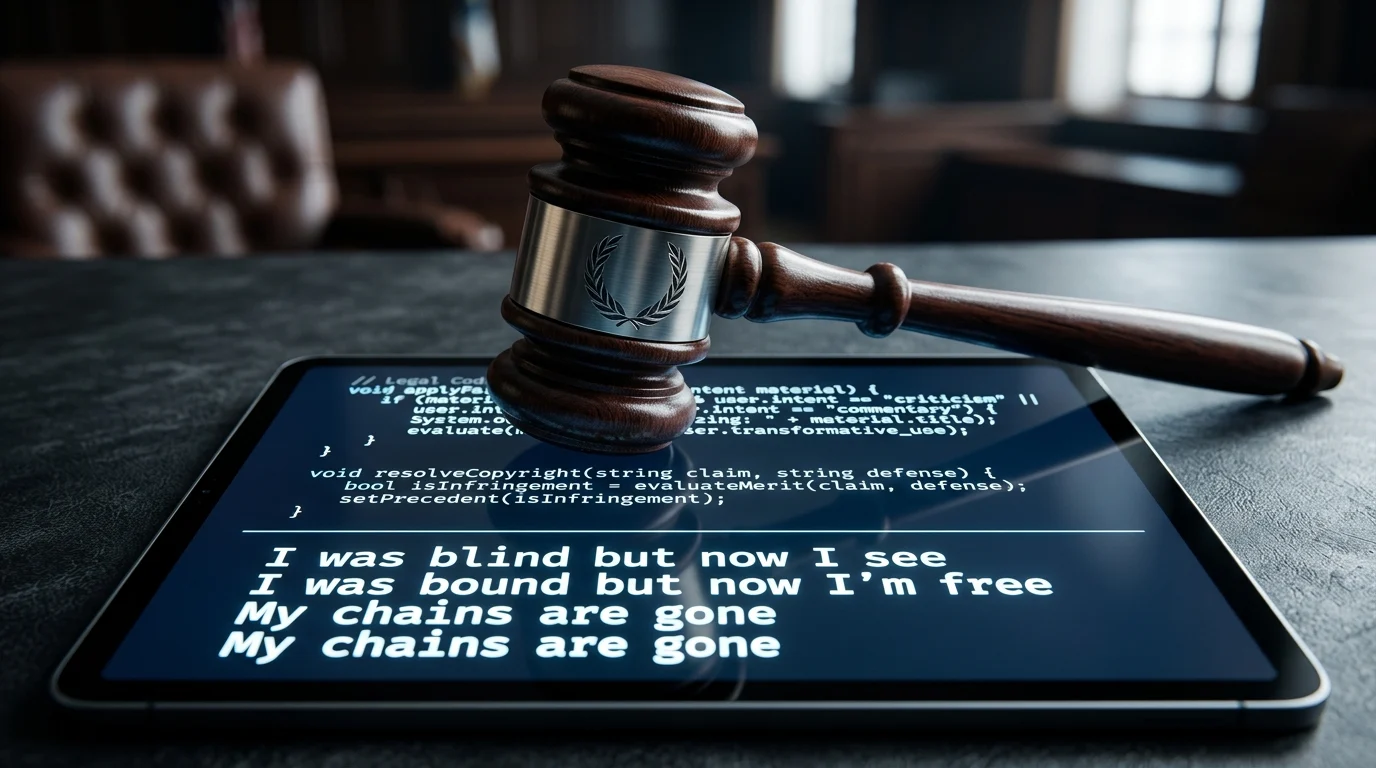
Anthropic has not remained silent. In their own legal filings, the startup has pushed back against the publishers, framing their use of data as “fair use.” They argue that the lawsuit is a broad attack on the advancement of technology rather than a legitimate claim against specific infringing acts. Anthropic’s legal team suggests that the training process involves a transformative use of data that should be protected under current intellectual property frameworks. However, the publishers contend that when an AI provides “near-identical” lyrics for “I Will Survive,” it ceases to be transformative and becomes a replacement for the original copyrighted material.
The addition of plaintiffs like ABKCO Music & Records, Concord Music Group, and Polygram Publishing shows a unified front from the music industry. They are signaling that the era of “train now, apologize later” is coming to an end. We are watching this case closely as it moves through the Tennessee court system, as the ruling will likely set a massive precedent for how every other AI model currently on the market handles the ingestion of creative works. If the court rejects the fair use defense, the entire economic model of training large language models may need a complete overhaul to accommodate licensing fees.
