
The distribution of the $1.5 billion Anthropic settlement has transformed from a milestone legal victory for creators into an internal industry conflict. Following the resolution of the Bartz v. Anthropic class action, which addressed the unauthorized use of pirated book datasets to train the Claude AI models, authors are now pushing back against claims made by publishers and literary agents on the individual payouts.
The settlement administrator began dispatching claim notices during the week of September 1, 2026, revealing a complex web of competing interests in the “disagreement portal.” While the settlement covers approximately 482,000 titles with a gross payout of roughly $3,000 per work, the actual amount reaching authors is being contested by corporate entities and representatives citing contractual norms.
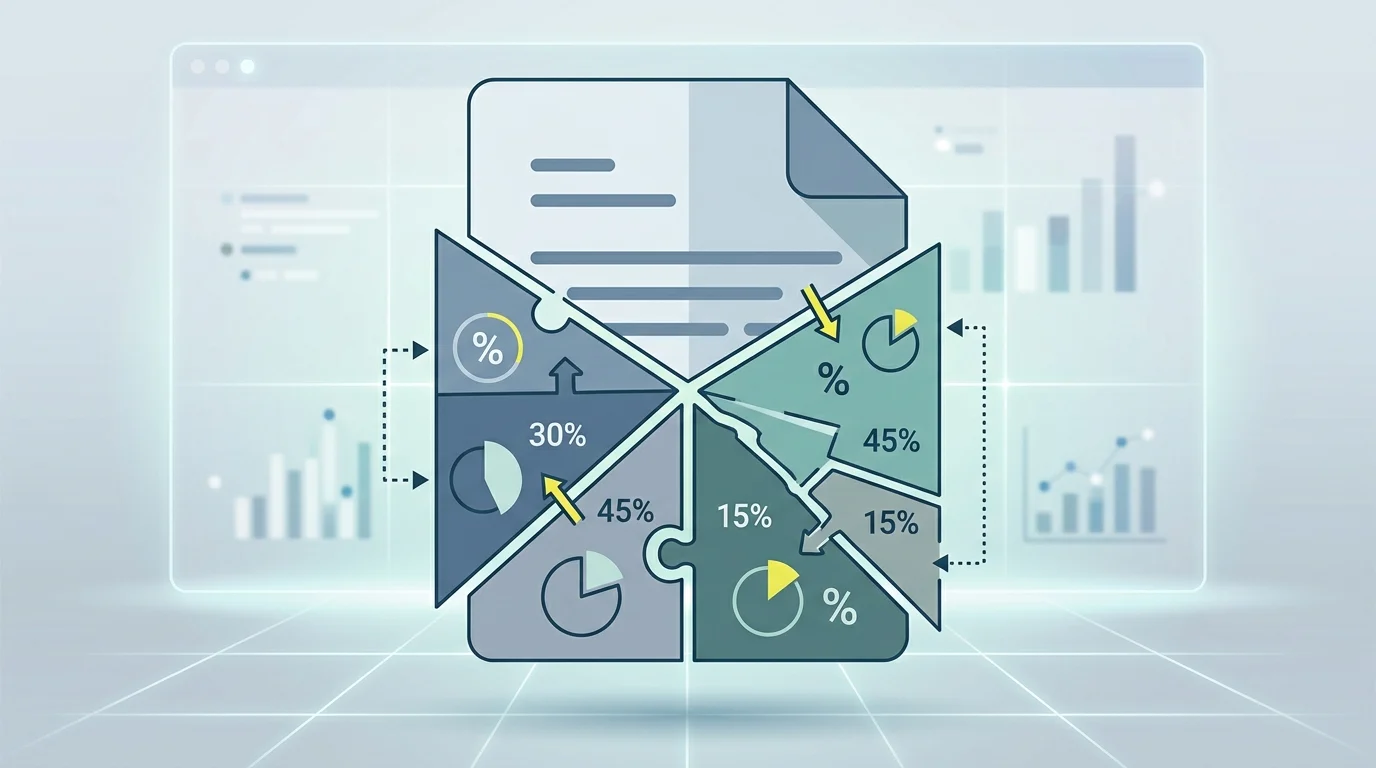
Publishers have largely moved to secure a “default split” of 50/50 for works currently in print. However, reports from the settlement portal indicate that some publishers are filing for 100% of the allocation. Authors and advocacy groups argue that these payouts represent legal damages for copyright infringement rather than traditional royalty income, making standard contractual splits inapplicable—especially in cases where rights have technically reverted to the author despite the publisher’s claim.
Rights Reversion and Commission Disputes
A primary point of friction involves “out of print” titles. Many authors have discovered publishers claiming funds for books whose rights were returned to the creator years ago. Because the settlement relies on historical ISBN registrations, the system often defaults to the publisher of record, forcing authors to manually dispute claims to prove they currently hold the copyright.
The conflict extends to literary agencies as well. High-profile firms, including The Wylie Agency and Malatesta, are reportedly filing claims to collect commissions ranging from 15% to 25% on the settlement funds. This has triggered significant backlash from the author community, as agencies generally did not fund the litigation. Critics argue that treating a court-ordered settlement as a “sale” subject to agency commission sets a dangerous precedent for future AI licensing revenue.
The Bartz v. Anthropic case was built on evidence that Anthropic utilized datasets such as Library Genesis and the Pirate Library Mirror to train its large language models. Despite the current internal disputes, the claim rate remains high, with 91.3% of the covered works already accounted for by at least one party.
For claims that remain undisputed, the settlement administrator is scheduled to disburse the first wave of payments between November 1 and November 15, 2026. Works entangled in the “disagreement portal” will have their funds held in escrow until the parties reach a resolution or the administrator provides a final ruling on the conflicting documentation.
