
Suno released its v6 family of AI music models on September 9, 2026, marking a fundamental shift in the company’s technical foundation. Unlike its predecessors, the v6 generation was built entirely on licensed music through partnerships with major industry players including Warner Music Group (WMG), BMG, and the digital distributor Believe.
The launch coincides with a “clean slate” policy where Suno is actively retiring all previous models, including the popular v3 through v5 versions. This move effectively removes the technology trained on disputed datasets from the platform, leaving v6 as the sole engine for new generations. While users retain access to songs previously created with retired models, they can no longer use those older architectures to generate new content.

The transition to a licensed-only model follows a settlement reached with Warner Music Group in November 2025. According to reports from Music Week, that agreement paved the way for Suno to access WMG’s catalog for training purposes, provided it retired the older models that were the subject of initial copyright complaints.
Ongoing Legal Challenges
Despite the new licensing deals with WMG and BMG, Suno remains entangled in significant litigation. Sony Music and Universal Music Group (UMG) have not entered into similar licensing agreements and are continuing their copyright infringement lawsuits against the company. These labels allege that Suno’s earlier models were trained on their proprietary recordings without authorization.
The legal landscape expanded further in the days leading up to the v6 launch. On September 2, 2026, the Society of Composers, Authors and Music Publishers of Canada (SOCAN) filed a lawsuit alleging infringement of performance rights. This was followed on September 3 by a right-of-publicity class action led by artist Jason Isbell, which focuses on the unauthorized use of artist identities and “voice prints” rather than just the underlying recordings.
Suno has attributed the quality of the v6 model to architectural research and development rather than sheer training volume, responding to concerns that the loss of Sony and Universal’s catalogs might diminish the tool’s capabilities.
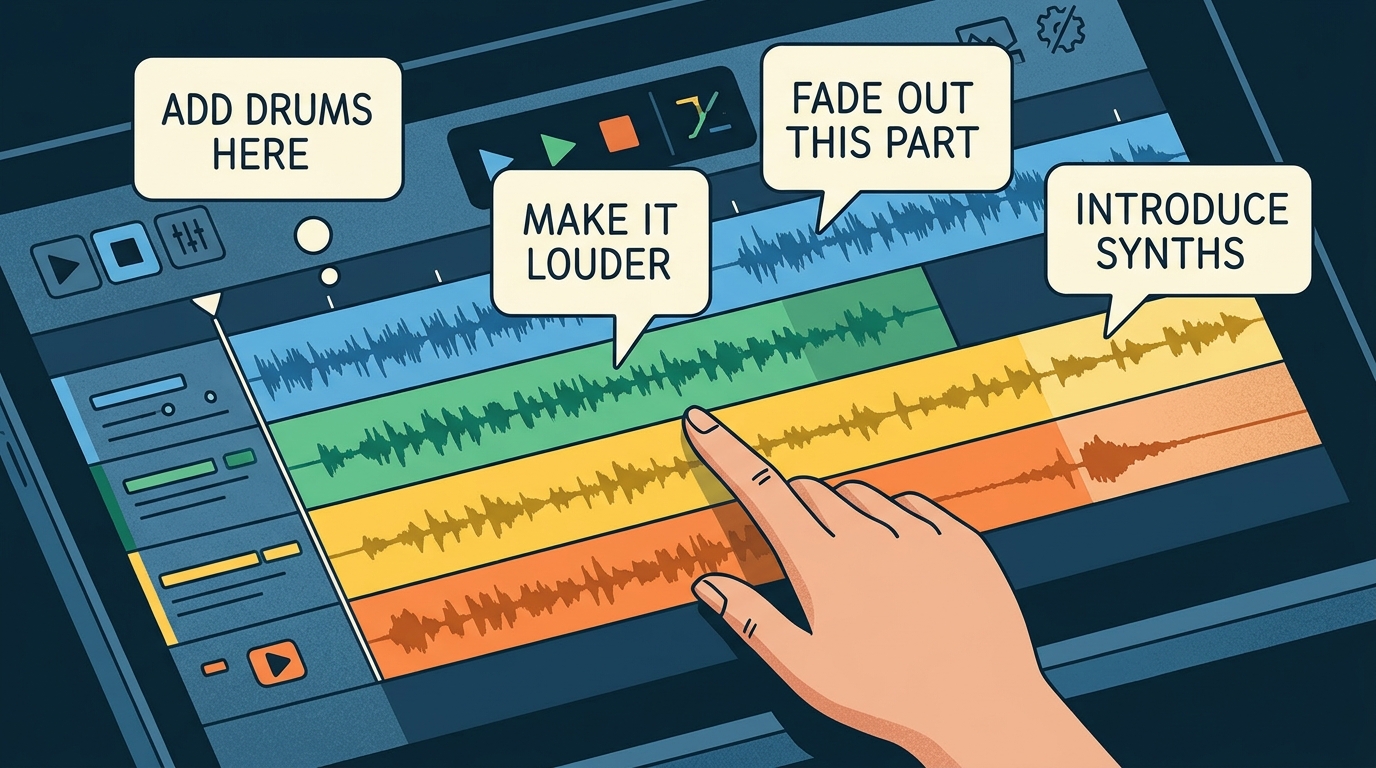
Technical Capabilities of the v6 Family
The v6 release is structured as a suite of tools designed for different user needs. This includes the flagship v6 model, an “experimental” version called v6-wild, and a faster, free-tier option known as v6-mini.
Beyond the change in training data, the new models introduce several functional updates:
- Section Editing: Users can now use natural language prompts to modify specific segments of a song without regenerating the entire track.
- Multi-modal Prompting: The platform now supports generating music based on audio, image, or video inputs.
- Mashup Functionality: The ability to blend elements from multiple source files into a single output.
While the platform has secured corporate partnerships for data, the company’s revenue distribution model for individual artists remains “in development.” This has left unresolved questions regarding how much performers will receive when their work is utilized in training the licensed v6 models compared to the share taken by major labels and distributors.
