
Microsoft is scheduled to host a Windows and Surface event on October 7, 2026, in San Francisco, marking the company’s first major hardware-focused gathering since the debut of Copilot+ PCs in May 2024. The event is expected to center on a transition from cloud-dependent artificial intelligence to high-performance local processing.
Microsoft CEO Satya Nadella and NVIDIA CEO Jensen Huang are confirmed speakers for the presentation. Their joint appearance underscores a strategic pivot toward “supercomputer-class” AI tasks running directly on consumer and professional hardware. The theme of the event, “how local AI will shape the next chapter of the PC,” points to a new category of devices designed to handle Large Language Models (LLMs) and generative agents without a constant connection to remote servers.
The Surface Laptop Ultra and RTX Spark
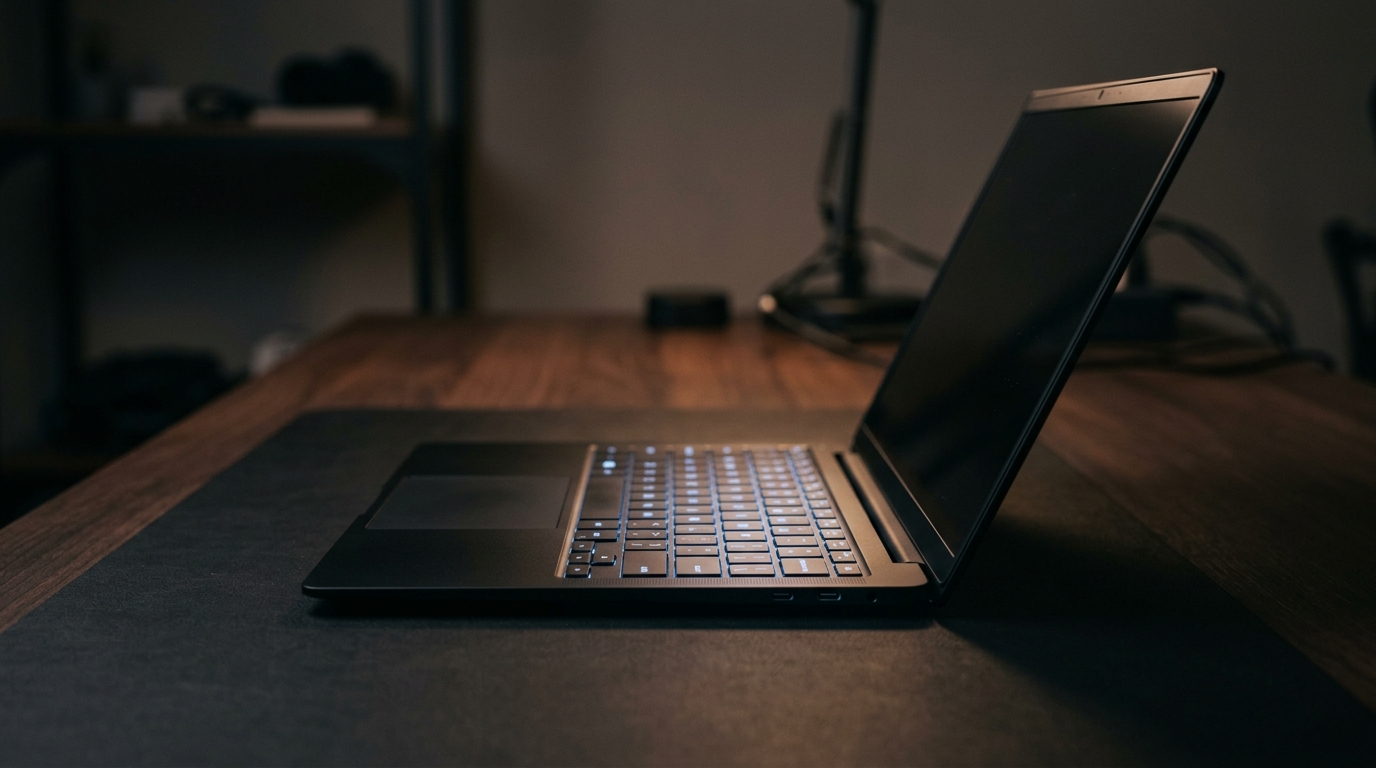
The centerpiece of the hardware reveal is expected to be the Surface Laptop Ultra. This device reportedly utilizes the NVIDIA RTX Spark superchip, an integrated platform codenamed N1X. Unlike previous Surface devices that relied on standard mobile processors, the RTX Spark combines a 20-core Grace Arm-based CPU with a Blackwell-based GPU architecture.
According to technical specifications released by NVIDIA, the RTX Spark platform supports up to 128GB of unified memory and delivers approximately 1 petaflop of AI compute performance. The Blackwell graphics component is reported to feature 6,144 CUDA cores, positioning the Surface Laptop Ultra as a direct competitor to Apple’s high-end M-series Pro and Max silicon.
In addition to the laptop, Microsoft is anticipated to introduce the Surface RTX Spark Dev Box. This compact desktop is aimed at developers building local AI agents and applications that require the high memory bandwidth provided by the Grace-Blackwell architecture.
Windows 11 and the Local AI Shift
While the “Windows” branding is prominent in the event invitation, industry analysts suggest an announcement for Windows 12 is unlikely. Instead, the focus will remain on Windows 11 optimizations specifically tailored for the RTX Spark platform. These updates are expected to facilitate NVIDIA’s local AI agents, allowing the operating system to offload complex reasoning and creative tasks to the Blackwell GPU’s Tensor cores.
The shift toward local AI hardware addresses growing demands for lower latency and improved privacy in AI workflows. By moving “supercomputer-class” compute into the local PC, Microsoft and NVIDIA aim to bypass the bandwidth and subscription constraints associated with cloud-based AI services.
