
With the official release of the Apple Watch Ultra 4 on September 18, 2026, the high-end rugged smartwatch market has reached its most competitive state to date. Starting at $799, Apple’s latest flagship arrives just weeks after the August 7 launch of the $699 Samsung Galaxy Watch Ultra 2, establishing a clear choice for enthusiasts looking for extreme durability and advanced health sensing.
While both devices target the same outdoor-focused demographic, they diverge significantly in display engineering and processing priorities. Samsung currently holds a substantial lead in raw visibility, while Apple has focused its hardware revision on high-frequency biometric data and “Audio Intelligence.”
Display and Visibility Limits
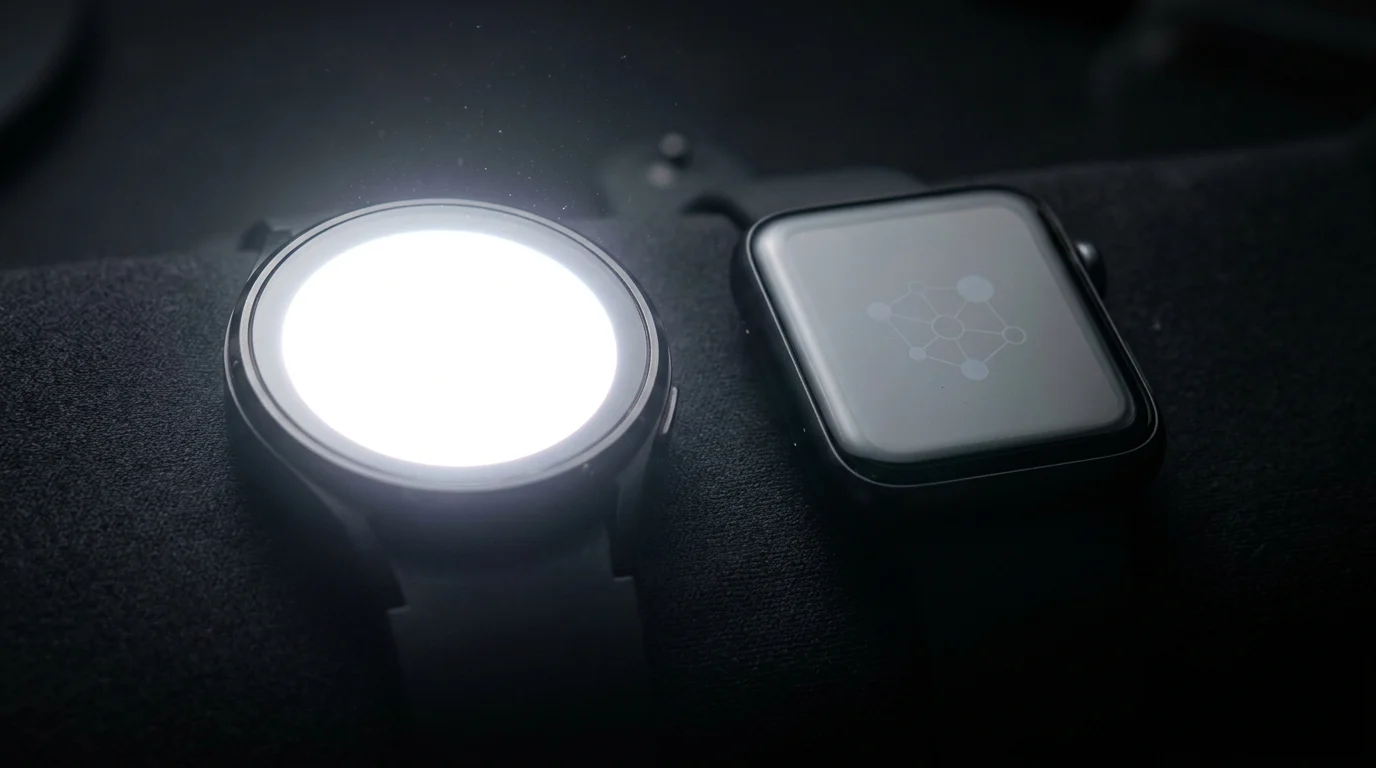
The most striking hardware difference between the two wearables is the peak brightness of their displays. The Samsung Galaxy Watch Ultra 2 features a record-breaking 5,000-nit peak brightness, a figure designed to ensure legibility in the harshest direct sunlight environments. This significantly outpaces the Apple Watch Ultra 4, which utilizes a 3,000-nit peak brightness Retina display equipped with wide-angle OLED technology.
While Apple’s display remains one of the most color-accurate in the category, the 2,000-nit gap highlights Samsung’s aggressive push into display hardware superiority. Samsung has managed this brightness increase while simultaneously refining the device’s physical profile; the Galaxy Watch Ultra 2 case is 12% thinner than its predecessor, despite its high-output screen.
Processing Power and Intelligence Features
The internal architecture of both watches has moved to 3nm-class efficiency, but the functional results differ. The Apple Watch Ultra 4 introduces the S11 chip, which powers a new Health Sensing System. This system allows for heart rate tracking at a frequency of once every five seconds, a significant jump in granularity for athletes monitoring real-time recovery.
Apple has also debuted “Audio Intelligence” features with the Ultra 4. These include:
- Live Rewind: The ability to replay the last 30 seconds of audio captured by the watch’s microphones.
- Siri Recap: An AI-driven summary of missed notifications or dictated notes.
In contrast, the Samsung Galaxy Watch Ultra 2 utilizes the Qualcomm Snapdragon Wear Elite Platform. This chipset supports 64GB of onboard storage—double that of many previous-generation competitors—and focuses on Samsung’s integrated AI for fitness coaching and metabolic tracking.

Battery Longevity and Endurance
For multi-day excursions, battery life remains the deciding factor for many users. Apple’s Ultra 4 offers up to 50 hours of battery life in normal use, which can be extended to 84 hours when utilizing Low Power Mode. This represents a steady refinement of Apple’s power management without increasing the device’s bulk.
Samsung has taken a higher-capacity approach, fitting the Galaxy Watch Ultra 2 with an 800mAh battery. This represents a 35% increase in capacity over the original Galaxy Watch Ultra. While real-world longevity varies based on GPS usage and always-on display settings, the larger physical cell in the Samsung device is tailored for users who prioritize maximum time between charges.
The price gap of $100 remains a factor for those not locked into a specific mobile ecosystem. At $699, Samsung offers the brighter screen and larger battery, while Apple’s $799 Ultra 4 leverages the S11 chip’s higher-frequency sensing and a more integrated suite of audio-first software tools.
