
Microsoft has unveiled the Surface Laptop Ultra, a high-performance workstation that marks a fundamental departure from its traditional hardware architecture. Revealed at a San Francisco event on October 7, 2026, the device is the first to feature NVIDIA’s RTX Spark (N1X) superchip, moving the Surface line away from Intel and AMD in favor of a co-engineered ARM-based platform.
The partnership was underscored by the joint appearance of Microsoft CEO Satya Nadella and NVIDIA CEO Jensen Huang, who highlighted the deep integration of hardware and software. The RTX Spark (N1X) combines NVIDIA’s Grace CPU and Blackwell GPU architectures into a single system-on-chip (SoC). This design provides a unified memory architecture that positions the Surface Laptop Ultra as a direct competitor to Apple’s high-end silicon, offering up to 128GB of LPDDR5X unified memory.

For professional creators and AI developers, the shift to the N1X architecture represents more than just a speed boost. The device delivers 1 petaflop of AI performance, which Microsoft claims allows it to run large language models with up to 120 billion parameters locally.
The display has also seen a significant upgrade to match the internal power. The 15-inch PixelSense Ultra panel utilizes Mini-LED technology, capable of reaching a peak brightness of 2,000 nits in HDR modes.
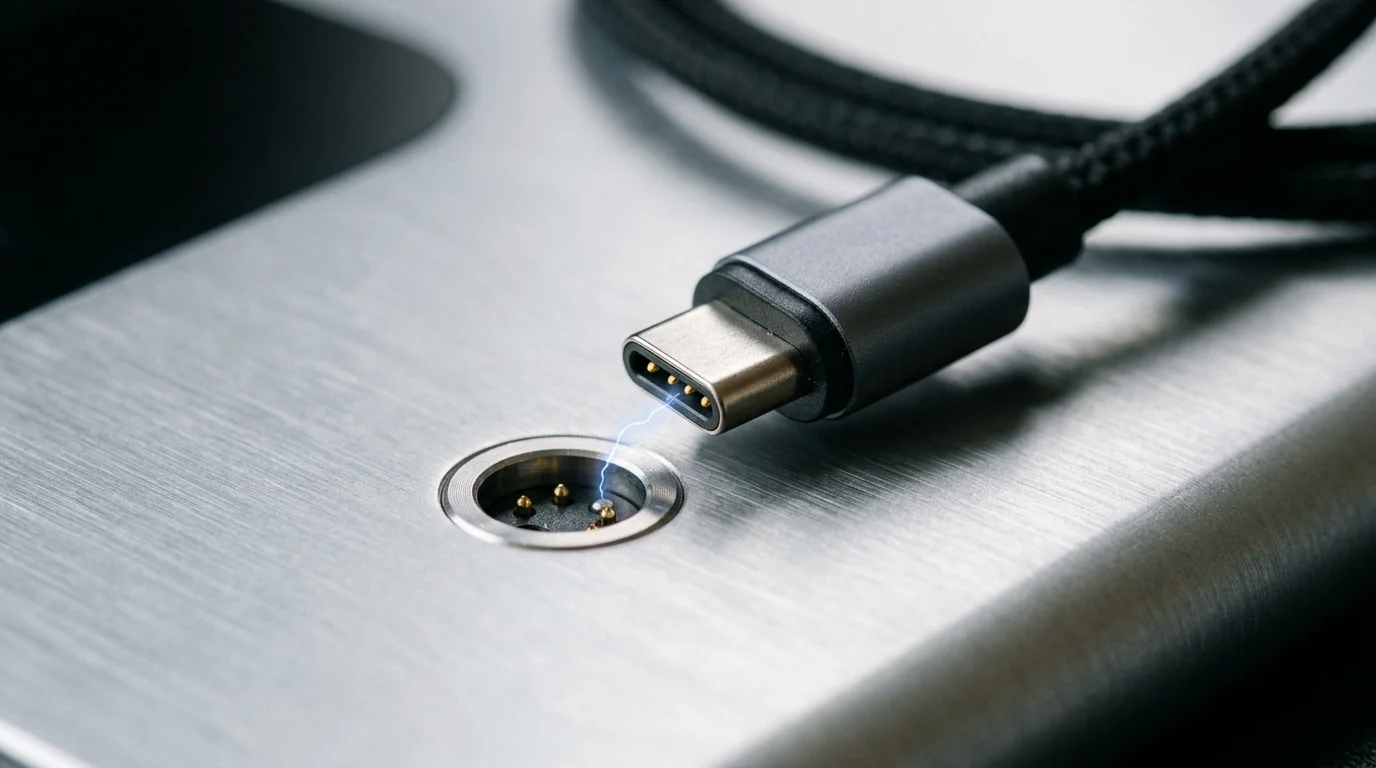
Microsoft is also revising its connectivity standards. The Surface Laptop Ultra introduces “Magnetic Connect,” a magnetic USB-C system that replaces the long-standing proprietary Surface Connect port. This new standard offers the safety of a breakaway magnetic cable while maintaining the data transfer versatility of the USB-C ecosystem.
Pricing for the Surface Laptop Ultra reflects its positioning as a premium enterprise and creator tool. The base model, featuring an 18-core configuration and 24GB of RAM, starts at $2,599. However, maxing out the specifications to the full 128GB unified memory tier can push the price beyond $7,000.
Pre-orders opened immediately following the event, with official shipping for the first units scheduled to begin on October 16, 2026.
