
The latest episode of the CBS procedural Marshals has fundamentally altered the dynamic between Kayce Dutton and his primary institutional antagonist. In the October 11, 2026, episode titled “End of Watch,” Chief Deputy Harry Gifford finally addressed the personal bias that has fueled his friction with the team, providing context for a character previously framed as a bureaucratic foil.
Portrayed by veteran actor Brett Cullen, Gifford has served as a consistent obstacle for Kayce (Luke Grimes) since the series began. While the Yellowstone sequel has focused on Kayce’s transition into the U.S. Marshals service in Montana, Gifford’s presence was often defined by a rigid, almost personal distrust of the Dutton name. In “End of Watch,” that tension reached a breaking point when Gifford admitted his historical distrust of the Dutton family directly influenced his modern-day professional judgment.
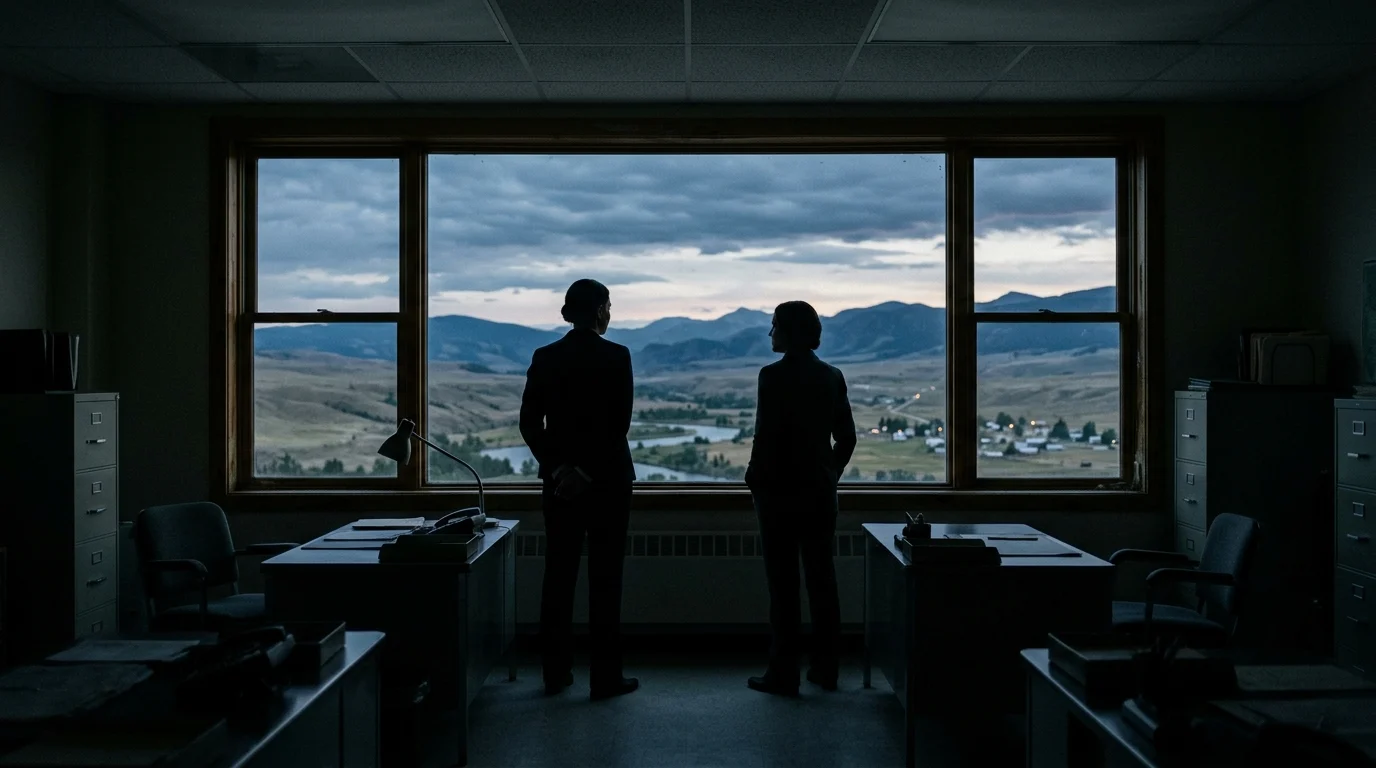
The episode revealed that Gifford had withheld critical information regarding a cop killer named Plummer. Specifically, Gifford confessed to denying Plummer’s son entrance to the police academy years prior—a decision he hid from his team during their current pursuit of the killer. This admission serves as a pivotal moment for the series, as Gifford acknowledged that his distrust of the Dutton family led him to treat Kayce with the same inherent suspicion he held for his relatives, regardless of Kayce’s record in the field.
Shifting the Dutton Legacy
This development moves the series away from the traditional family-feud tropes of the original Yellowstone and toward a more nuanced procedural drama. By having Gifford own his prejudices, the show explores how the reputation of the Dutton Ranch continues to haunt Kayce’s attempts at a career in law enforcement. This evolution is particularly significant in Marshals season 2, as the series continues to follow Kayce’s career as a U.S. Marshal.
The confession also highlights the administrative minefield Gifford created for Kayce, including a Department of Justice inquiry in the first season designed to bench the younger Dutton. With the truth out in the open, the institutional “villain” of the series has transitioned into a more complex figure, albeit an uneasy one.
Created by Spencer Hudnut, Marshals has maintained a tonal shift from its predecessor by focusing on the “cleaner” operations of federal law enforcement. Gifford’s admission suggests that while the shadows of the Dutton legacy remain, the series is interested in how characters can move beyond the sins of the past through transparency rather than violence. Whether this leads to a permanent truce between Gifford and Kayce remains to be seen, but the transparency offered in “End of Watch” provides a clear path forward for the Montana unit.
