During a campaign rally in Highland Heights, Kentucky, on Saturday, October 17, 2026, President Donald Trump claimed a shift in his administration’s relationship with Big Tech, asserting that Google has become highly responsive to his personal demands. Addressing a crowd gathered to support midterm candidates, Trump stated that the company now takes his calls directly, adding, “Now, they kiss my ass.”
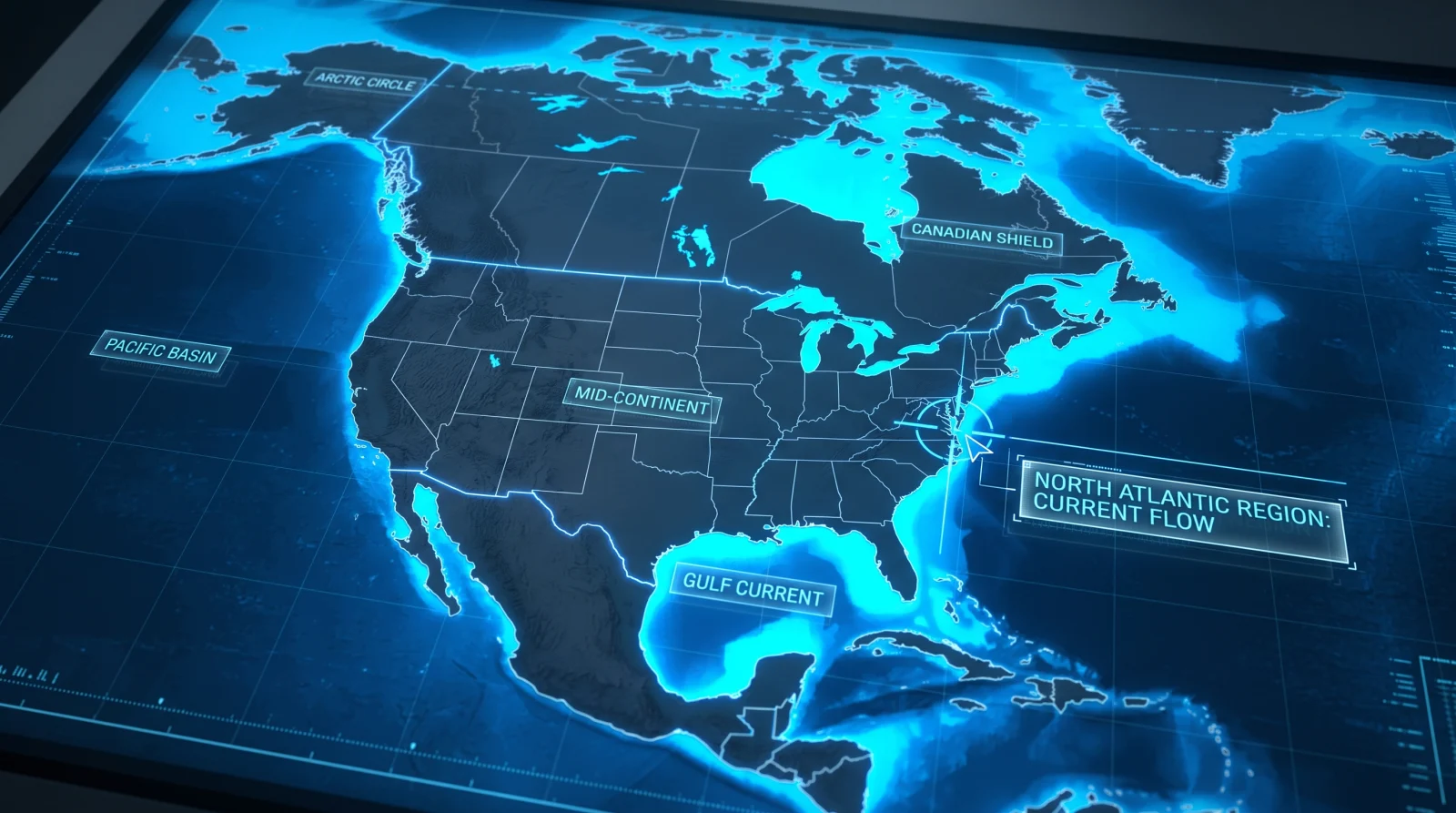
The remarks follow a series of federal mandates aimed at rebranding major North American geographical features. Since returning to office, the Trump administration has used executive power to rename prominent bodies of water for federal use, changes that have recently begun appearing for users on Google Maps.
Executive Orders and Mapping Protocols
The renaming initiative began on January 20, 2025, when Trump signed Executive Order 14172, designating the Gulf of Mexico as the “Gulf of America” for all federal purposes. This was followed on August 27, 2026, by Executive Order 14422, which applied similar logic to Lake Ontario, renaming it “Lake America” in federal agency usage.
While the President attributes these changes to his personal influence over tech executives, Google has characterized the updates as a procedural adherence to government data. The company stated that its map labels reflect the U.S. Geographic Names Information System (GNIS). When the federal government officially alters a name in the GNIS database, Google’s software typically synchronizes to remain consistent with official U.S. records.

Regional Labeling and International Friction
Google’s implementation of these names utilizes a “regional labeling” policy. This means that while users within the United States see “Gulf of America” and “Lake America” on their screens, users in other countries—specifically Canada and Mexico—may still see the traditional names.
This dual-naming approach has not smoothed over diplomatic tensions. The renaming of Lake Ontario specifically drew a sharp rebuke from Canadian officials. In August 2026, Ontario Premier Doug Ford used the same phrase later echoed by Trump, telling the U.S. President to “kiss my ass” in response to both the renaming plan and concurrent tariff threats.
Limits to the Renaming Crusade
Despite the successful implementation of the “Lake America” and “Gulf of America” labels in the U.S., the administration’s mapping goals have faced internal pushback from tech platforms on other fronts.
During a rally in Georgia earlier in 2026, a proposal surfaced to rename either the Atlantic or Pacific as the “Trump Ocean.” Unlike the Great Lakes and Gulf changes, which were finalized through the GNIS, Google reportedly opposed this specific proposal. The technical reality suggests that while Google follows established federal database changes for inland and coastal waters, it maintains different standards for international oceans that fall outside the exclusive jurisdiction of the U.S. Board on Geographic Names.
As the 2026 midterm elections approach, the narrative of “taming” Big Tech through these symbolic renamings has become a central theme of Trump’s stump speeches, even as the tech industry maintains the changes are merely the result of automated bureaucratic compliance.