
The French government began imposing partial curfews across several major cities on Monday, October 19, 2026, following a weekend of nationwide unrest that has disrupted the local film industry and placed major international productions on alert. The security measures, which affect hubs including Paris, Lille, Lyon, and Marseille, follow three days of protests and rioting that have resulted in more than 2,400 arrests.
The civil unrest, which began on October 17, has directly impacted cinema exhibition in the capital. On the evening of October 19, the UGC Ciné Cité Les Halles multiplex in Paris—consistently ranked as the most-visited cinema in the world—was evacuated mid-screening to comply with the sudden curfew orders. The evacuation highlights a period of significant volatility for the French box office as theaters in high-risk zones are forced to adjust schedules or close doors entirely during peak evening hours.
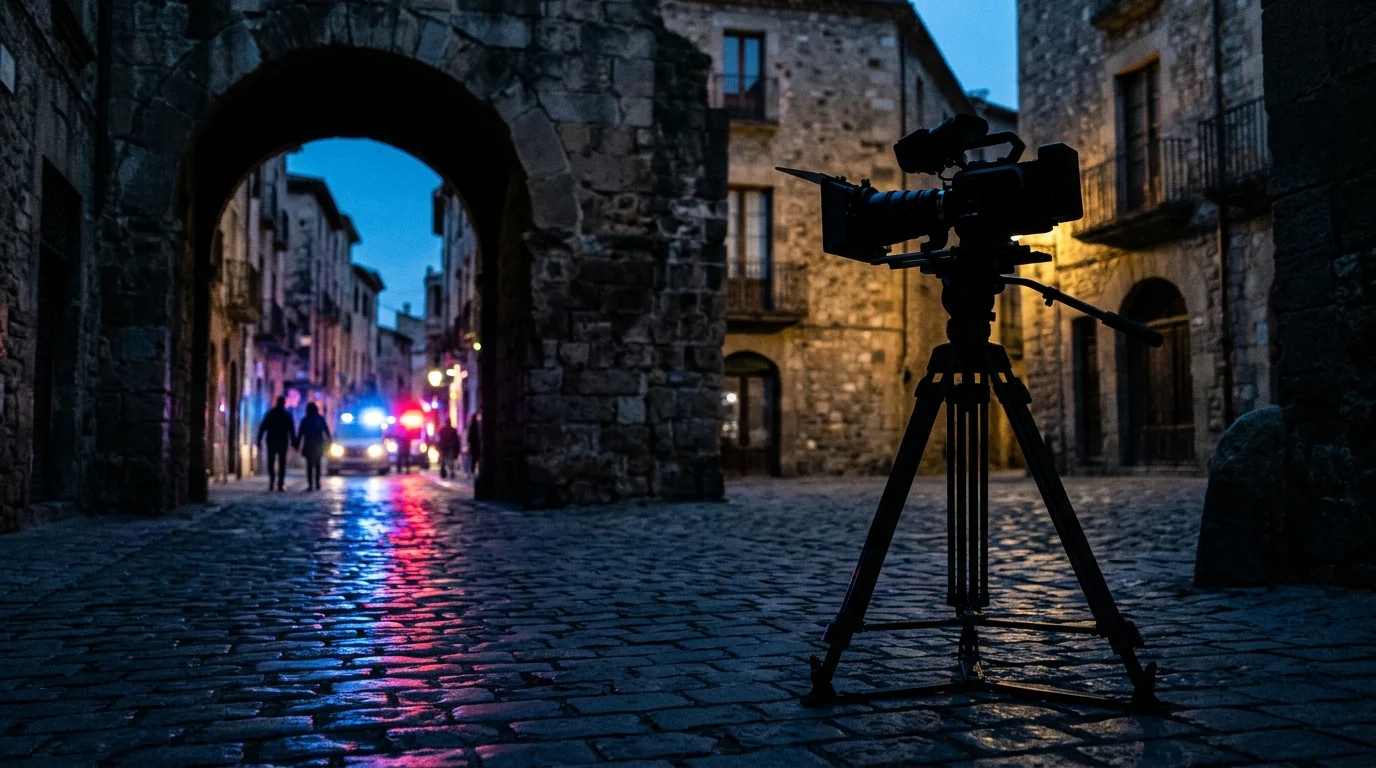
The escalating situation creates a sharp contrast between the romanticized, escapist versions of France seen in recent hits like Emily in Paris and the current reality on the ground. Several high-profile Hollywood projects are currently filming in the country, including the fourth season of HBO’s The White Lotus and a Warner Bros. Ocean’s Eleven prequel. The latter production features a high-profile cast including Margot Robbie and Bradley Cooper, whose presence in the country has coincided with the implementation of the partial curfews across several major cities.
The violence has not been limited to the capital. In Limoges, the historic city hall was gutted by fire during the weekend’s events. The scale of the property damage and the widespread nature of the protests have forced production security departments to re-evaluate logistics for location shoots originally chosen for their aesthetic appeal.
While major studios have not yet announced official shutdowns, the logistical hurdles of navigating curfews and securing sets are complicating schedules for both local and international crews. The instability comes at a precarious political time for the country, with the election to succeed President Emmanuel Macron scheduled to take place in just six months, suggesting that security and public order will remain a dominant concern for the foreseeable future.
