
While Android 17 has been the stable standard since its June 2026 release, Google is leveraging its September 2026 System Updates to bypass traditional carrier delays and deliver a significant “Android Drop.” By updating core modular components rather than the entire operating system, Google is pushing new AI-powered tools and accessibility features directly to devices via the Google Play Store and Play Services.
The September update cycle serves as the technical engine for this rollout. It introduces major features like Motion Assist and Gemini-integrated object tracking, allowing users on older hardware to receive functional upgrades that would have previously required a full OS migration. This strategy reinforces Google’s shift toward using system components to maintain feature parity across the ecosystem.
The Delivery Mechanism: Play Services and Store Versions
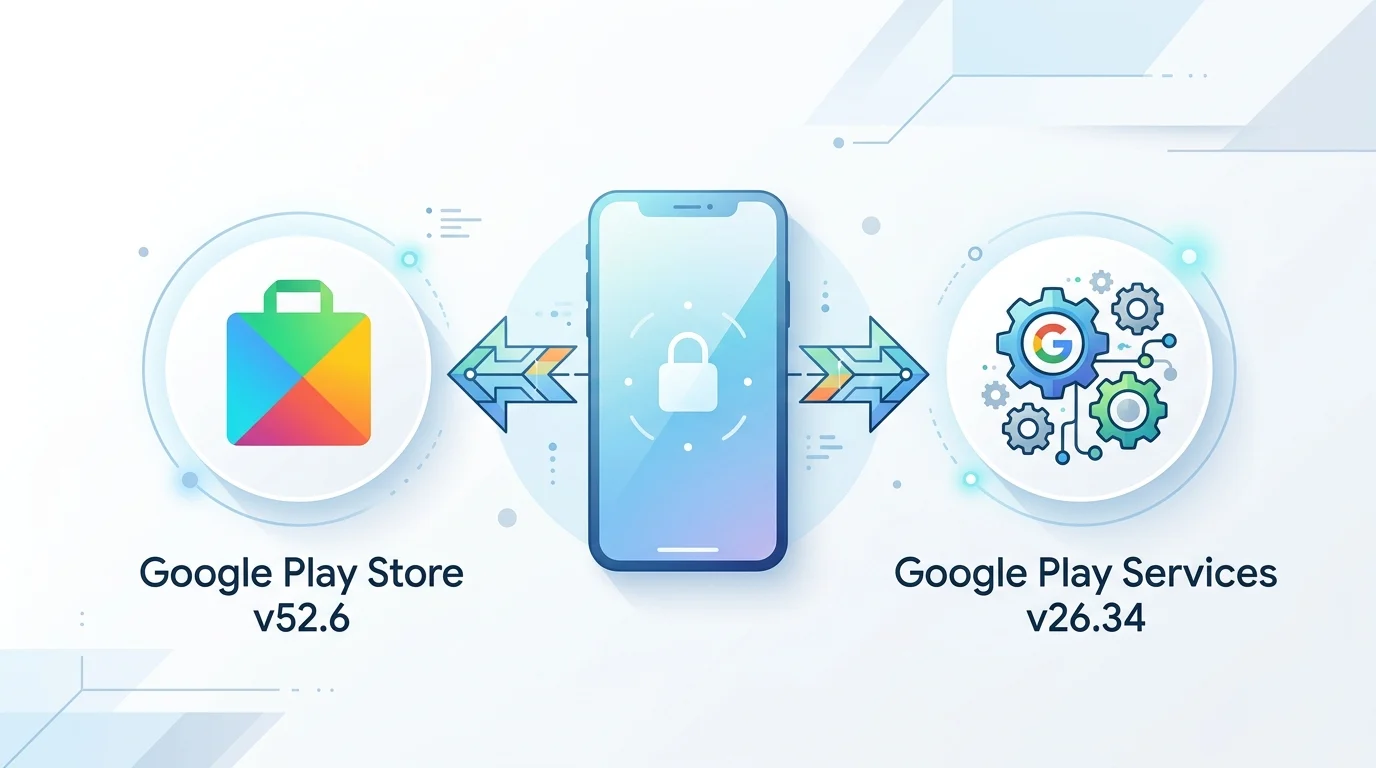
To access the latest features, users should look for specific version numbers within their device settings. The September 2026 rollout is primarily contained within Google Play Services v26.34 and v26.35, alongside Google Play Store v52.6 and v52.7. These modules manage the background APIs and storefront interface required for the new functionality.
Key technical changes in these versions include:
- Google Play Store v52.6: Introduces expanded search capabilities that allow users to discover movies and TV shows directly within broad search results. It also adds dedicated sports content carousels, currently featuring events such as the ICC Women’s T20 World Cup.
- Google Play Services v26.34/v26.35: Features an overhauled account supervision process, making it easier for parents and teens to complete required age attestation. This version also facilitates the new AI-led onboarding journey for new device setups.
The Headline Features: Motion Assist and Find Hub Memory
The most significant consumer-facing additions in the September Drop are tied to specific Android versions, even though they are delivered through system updates. The standout feature is Motion Assist, designed specifically for devices running Android 17. This tool creates a subtle “bubble overlay” on the screen to help reduce motion sickness for users who look at their phones while in moving vehicles.
For users on Android 16 and newer, the Find Hub is receiving a major intelligence upgrade. Users can now ask Gemini to remember the location of specific physical items, such as “Gemini, remember I put my passport in the top desk drawer.” This integration treats the Find Hub as a proactive memory assistant for personal belongings, bridging the gap between digital tracking and physical organization.
AI and Accessibility: Guided Vision and New Onboarding
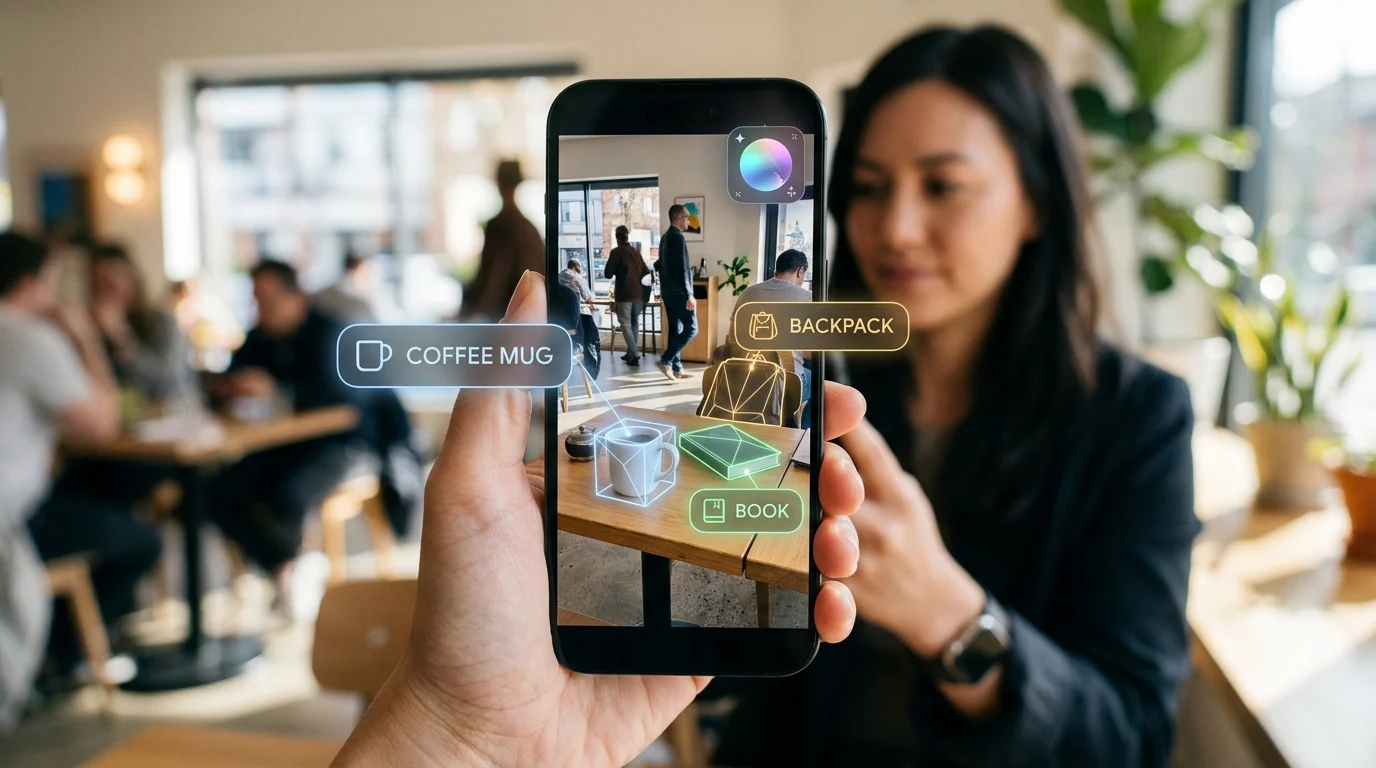
Google is also expanding the reach of its Gemini Live technology to older devices. Guided Vision is now available for users on Android 9.0 and above. This accessibility tool uses AI to provide real-time voice descriptions of a user’s surroundings, assisting blind and low-vision individuals in navigating their environment through the phone’s camera.
Furthermore, the onboarding experience for new devices has been redesigned. Play Services v26.34 introduces an AI-led setup journey that uses generative guidance to help users migrate data, select privacy settings, and discover features relevant to their specific hardware configuration.
Maintenance and Refinement
Beyond the high-profile feature additions, the September cycle includes routine maintenance for core system intelligence. On September 3, 2026, Google released Android System Intelligence versions B.29 and C.7. These updates focus on internal bug fixes and stability improvements for on-device machine learning models, ensuring that background tasks like Live Caption and Smart Selection remain performant.
These updates typically download and install automatically in the background. However, users eager to test the new “Android Drop” features can manually trigger a check by navigating to Settings > Security & Privacy > System & Updates to ensure their Google Play System Update and Play Store versions are current.
