
Sony Interactive Entertainment has filed a patent for technology that could transform the PlayStation controller into a contactless payment terminal, allowing players to purchase games or in-game content by tapping a credit card or mobile device directly against their hardware.
The patent application, titled “Video Game Controller-Driven Information Transfer” (US 2026/0273403 A1), was published on September 17, 2026. It describes a system where the game controller acts as a bridge to transfer payment details from a nearby physical card, smartphone, or gift card to the console.
According to the filing documentation, the primary motivation for this development is to eliminate “friction” during the checkout process. Sony’s research suggests that the requirement to manually enter long strings of credit card digits or navigate complex on-screen keyboards often leads to “abandoned purchases.” By allowing a physical “tap” to initiate a transaction, Sony aims to streamline the bridge between discovering a digital product and completing the sale.
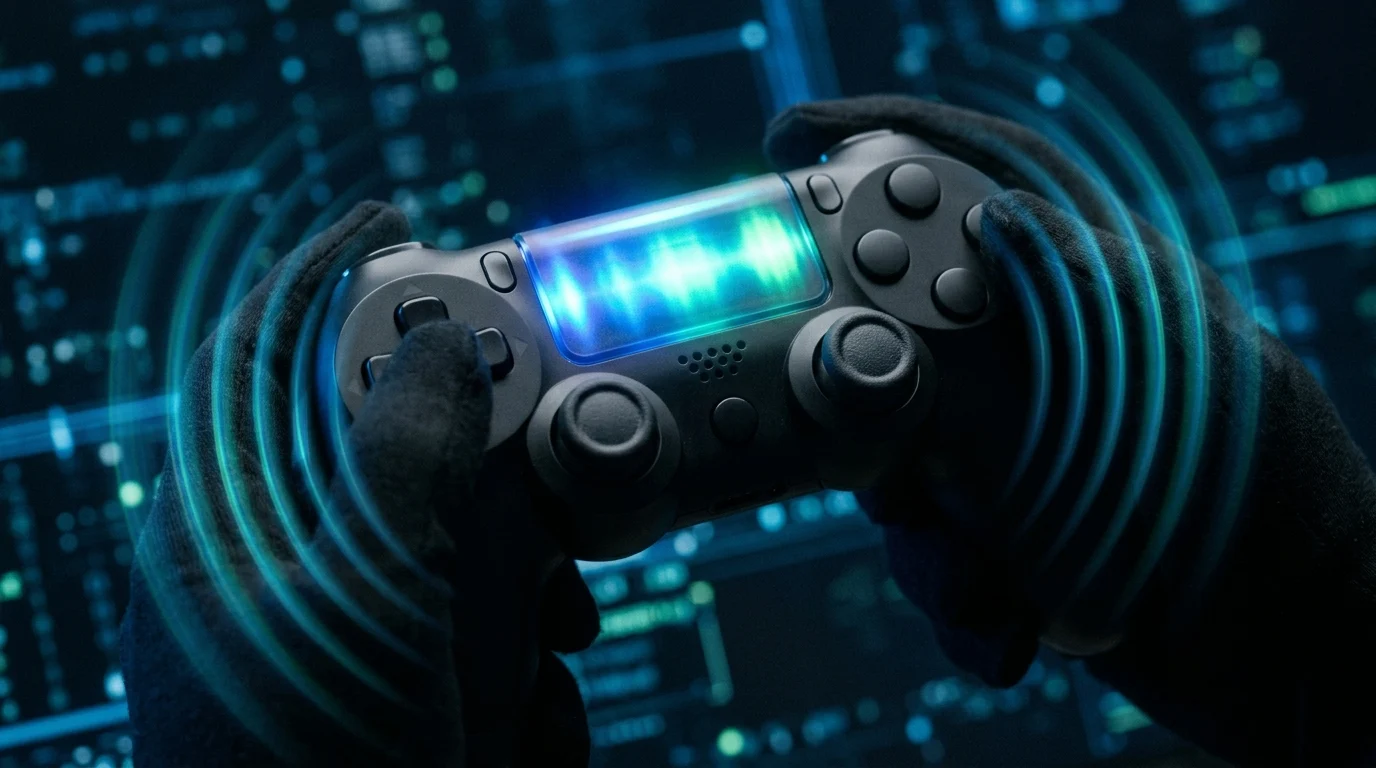
The patent outlines several feedback mechanisms to confirm that a payment device has been successfully recognized. These include specific haptic vibration patterns, changes to the controller’s light bar, and audio cues emitted from the controller’s internal speaker. This sensory feedback is intended to provide immediate confirmation to the user that the data transfer was successful without requiring them to look away from the screen.
While credit cards are the most immediate application, the patent covers a broad range of information transfer types. Supported methods mentioned in the filing include bank account details, gift cards, digital wallets, and even identifiers for cryptocurrency wallets. This indicates a focus on a versatile financial interface that can adapt to various regional payment preferences.
The timing of this patent aligns with broader industry projections suggesting a shift toward an all-digital console ecosystem as early as 2028. As physical media becomes less central to the gaming experience, the ease of digital transactions becomes a critical infrastructure point for platform holders.
Despite the convenience, the technology raises questions regarding security and accidental usage. While the patent focuses on the technical “handshake” between the controller and the payment device, any commercial implementation would likely require robust parental controls or secondary confirmation steps to prevent unauthorized scans or accidental purchases by children.
It is important to note that a patent filing does not guarantee the feature will appear in a consumer product. However, the level of detail regarding haptic and visual feedback suggests that Sony is actively exploring ways to utilize the existing hardware capabilities of the DualSense ecosystem for more than just gameplay mechanics. Regardless of whether this appears in a “DualSense Pro” revision or a future console generation, the move signals a clear intent to move the PlayStation Store closer to the “one-click” or “tap-to-pay” convenience found in modern mobile and retail environments.
