
Apple has released Final Cut Camera version 2.4, a significant update designed to utilize the mechanical variable aperture system found on the newly released iPhone 18 Pro and iPhone 18 Pro Max. Released on September 29, 2026, the software provides professional videographers with direct control over the physical light intake and depth of field of the device’s 48MP Fusion main camera.
The update marks a shift from software-simulated bokeh to hardware-driven optical control. The iPhone 18 Pro features a mechanical six-blade iris that allows users to toggle between four discrete aperture settings: f/1.48, f/1.8, f/2.8, and f/4.0. By stopping down the lens to f/4.0, cinematographers can achieve a deeper depth of field and sharper details in bright environments without relying solely on high shutter speeds or ND filters.
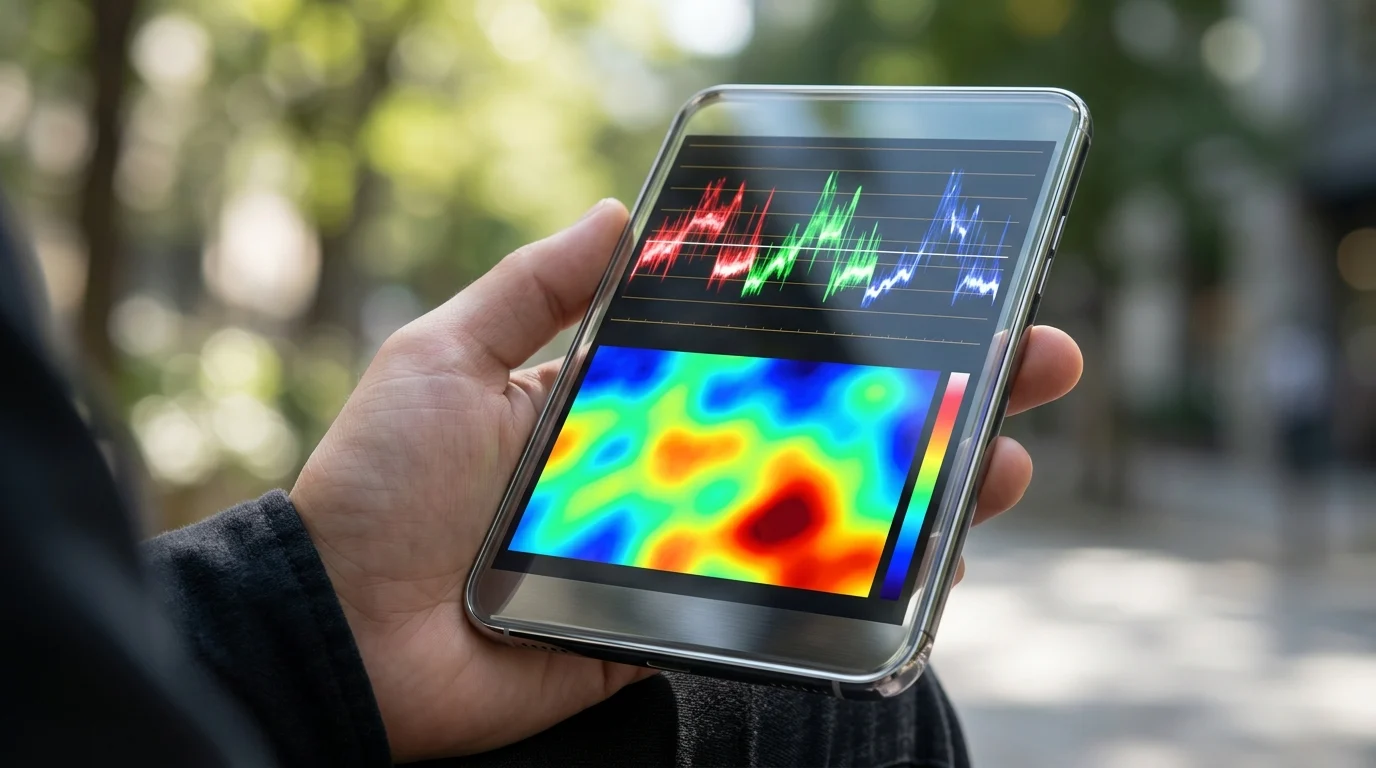
Beyond aperture control, version 2.4 introduces a suite of professional monitoring tools aimed at high-end production. These include an RGB parade (split waveform) for more accurate color balancing and false color overlays to visualize exposure levels across the frame. The app also adds clipping indicators to highlight overexposed areas and manual white balance controls that can be set specifically in Kelvin units.
Advanced Monitoring and Output
For multi-camera setups and studio environments, the update enables clean HDMI and SDI output. This allows the iPhone to serve as a high-quality camera source for external monitors or live switchers without the user interface elements appearing in the broadcast signal.
The release coincides with updates across the broader Apple Creator Studio subscription suite. This includes a major update to Pixelmator Pro for iPad, which now features the “Select and Mask” tool for complex image cutouts, further integrating the mobile creative workflow between photography and video.
While the mechanical aperture features are exclusive to the iPhone 18 Pro series, Final Cut Camera 2.4 maintains compatibility with older iPhone models. On these devices, the updated interface still provides access to the new monitoring tools, though the aperture remains fixed according to the specific hardware of those generations. For users of the new hardware, the update also enables the ability to adjust Cinematic mode effects in post-production, offering more flexibility when refining the focus and blur characteristics of a shot after it has been captured.
