
A fraudulent WhatsApp clone has successfully bypassed Google Play Store security measures to reach over 500,000 downloads. The app, published by a developer listed as “Agment Assets sallu,” remained live on the platform as of early October 17, 2026, despite growing reports of its malicious nature.
The incident highlights a significant vulnerability in how Google manages its beta testing ecosystems. The clone likely utilized the Google Play “Early Access” program to disable public user reviews and hide warnings from others, which can mislead users who expect results on the platform to be safe.
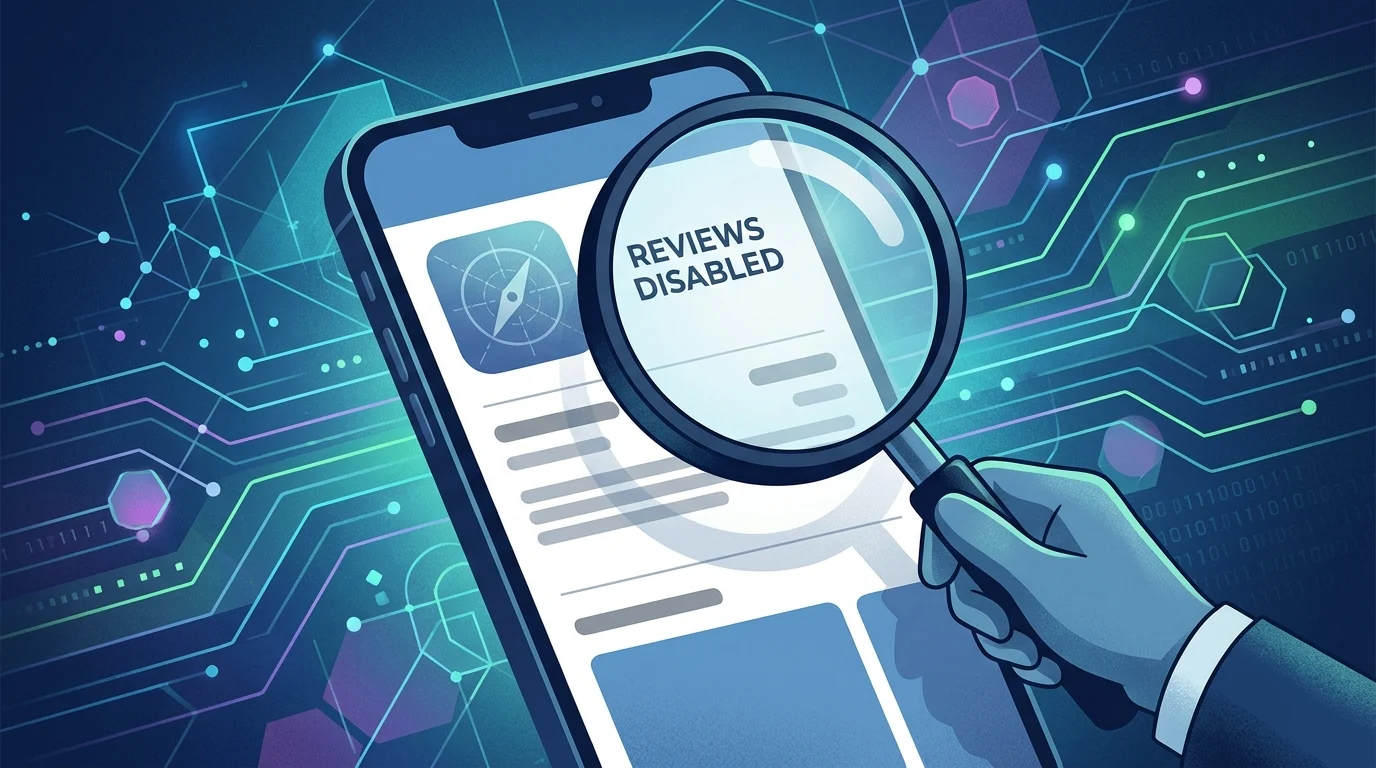
The ‘Early Access’ Review Shield
A critical component of the scam’s success is the exploitation of the Google Play “Early Access” program. By listing the clone as an early-access or “in-development” app, the developers effectively disabled the public review system. In a standard listing, users who discovered the fraud would post warnings, causing the app’s star rating to plummet and alerting others to the danger.
In this case, however, the “Early Access” status meant that while users could download and install the software, they were unable to leave public feedback. This prevented crowd-sourced security warnings from reaching the half-million users who eventually installed the clone. According to Android Authority, this tactic creates a blind spot where fraudulent apps can accumulate massive download numbers before manual intervention occurs.
A Recurring Pattern of ‘Bait-and-Switch’
This WhatsApp incident follows a nearly identical security lapse involving Google Chrome earlier this week. On October 14, 2026, a fake Chrome app reached 100,000 downloads using a “bait-and-switch” tactic. That app was originally a legitimate-looking game called “Ball Bounce” published by “Hizbartech” before it was rebranded with Chrome iconography and metadata to deceive users.
The proliferation of these clones suggests that malicious actors are increasingly finding success in navigating Google’s automated vetting processes for app updates. While Google typically removes these apps once they are flagged by researchers or the media, the speed at which they can reach hundreds of thousands of devices remains a point of concern for mobile security experts.
How to Verify the Authentic WhatsApp
Users are advised to look for specific markers to distinguish the official communication tool from fraudulent copies.
- Developer Name: The official app is published by “WhatsApp LLC.” Any other name, such as “Agment Assets sallu,” is a definitive red flag.
- Download Count: The genuine WhatsApp Messenger has over 10 billion downloads and carries an “Editors’ Choice” badge. The fake version, while high for a scam, only reached approximately 500,000.
- Review Presence: If an app for a major global brand claims to be in “Early Access” and has no public reviews, it is almost certainly a clone.
Users who have already downloaded the “Agment Assets sallu” version should uninstall it immediately and perform a security scan on their device. Because these clones often serve as delivery mechanisms for adware or data-stealing Trojans, changing credentials for sensitive accounts accessed on the affected device is a recommended precaution.
