

While many high-profile film projects use the iPhone as a primary camera for marketing-driven “Shot on iPhone” campaigns, Resident Evil director Zach Cregger is highlighting the device as a technical planning tool. In a behind-the-scenes look shared by Apple marketing chief Greg Joswiak on November 5, 2026, Cregger detailed how the iPhone served as the backbone for his shot visualization during the production of the horror hit.
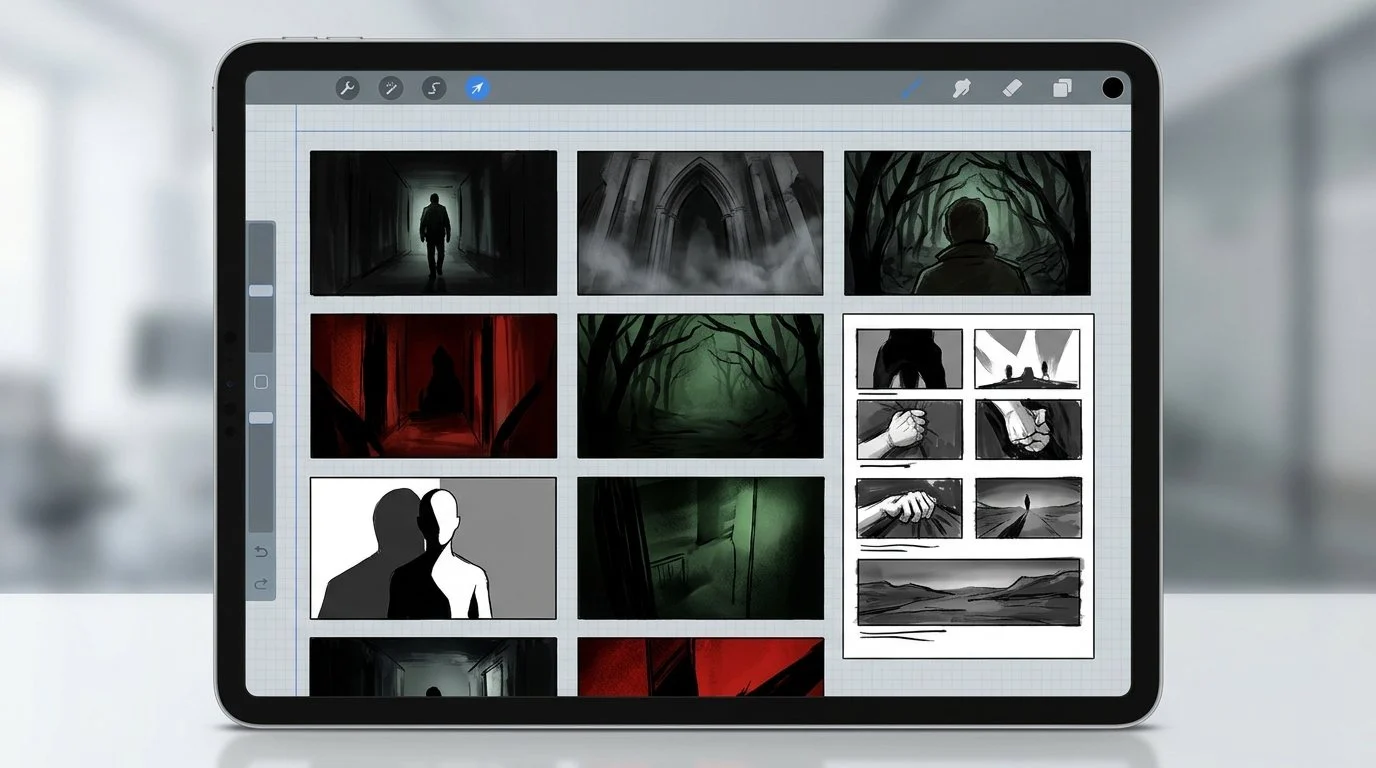
Cregger’s Resident Evil was filmed using traditional professional cinema cameras in collaboration with renowned cinematographer Dariusz Wolski. Cregger instead utilized his iPhone specifically for pre-visualization and shot planning, using the third-party app Cadrage to create detailed photo boards. This allowed the production team to lock in framing and lighting cues before the more cumbersome cinema rigs were even on set.
The workflow appears to have paid off commercially. According to official tracking data, the film crossed the $401 million global box office milestone on November 1, 2026. Following its theatrical run, which began on September 18, 2026, the movie was made available on digital video-on-demand platforms for purchase and rental on November 3.
The film stars Austin Abrams as Bryan Hodukavich, a medical courier caught in the outbreak. Despite the financial success, the production has faced vocal pushback from some segments of the franchise’s fan base regarding its departure from established video game lore.
Cregger has addressed this discourse, expressing frustration that some viewers prioritized lore accuracy over the cinematic quality of the film itself. According to reported commentary from the director, the intensity of the fan response to this specific project has led him to reconsider working with established intellectual property (IP) in the future, suggesting a potential shift back toward original scripts like his previous work.
The iPhone’s role in the production remains a point of interest for technical professionals. By focusing on utility—such as lens simulation through Cadrage—rather than using the device as the final capture medium, Cregger’s workflow suggests a middle ground for directors who value mobile portability for the planning stages of a traditional large-scale production.
