
A recent hardware teardown of the U.S. variant of the iPhone 18 Pro Max (model A3473) has confirmed that Apple’s largest flagship still relies on Qualcomm for its cellular connectivity. Despite the debut of Apple’s custom-designed silicon in other models this year, the Pro Max remains equipped with the Qualcomm Snapdragon X80 modem.
The discovery, documented by researchers at TechInsights, identifies the Snapdragon X80 as the primary cellular component in the American version of the device. This hardware choice creates a notable “modem split” within the current iPhone generation, as the smaller iPhone 18 Pro and the new foldable iPhone Duo have successfully transitioned to Apple’s in-house C2 modem in the United States.
This discrepancy is further supported by Apple’s official documentation. The company’s U.S. technical specifications explicitly list the “Apple C2 cellular modem” for the standard iPhone 18 Pro, while the entry for the iPhone 18 Pro Max conspicuously omits any mention of the proprietary chip. This suggests that the Pro Max is currently the only high-end model in the domestic market still utilizing third-party cellular hardware.
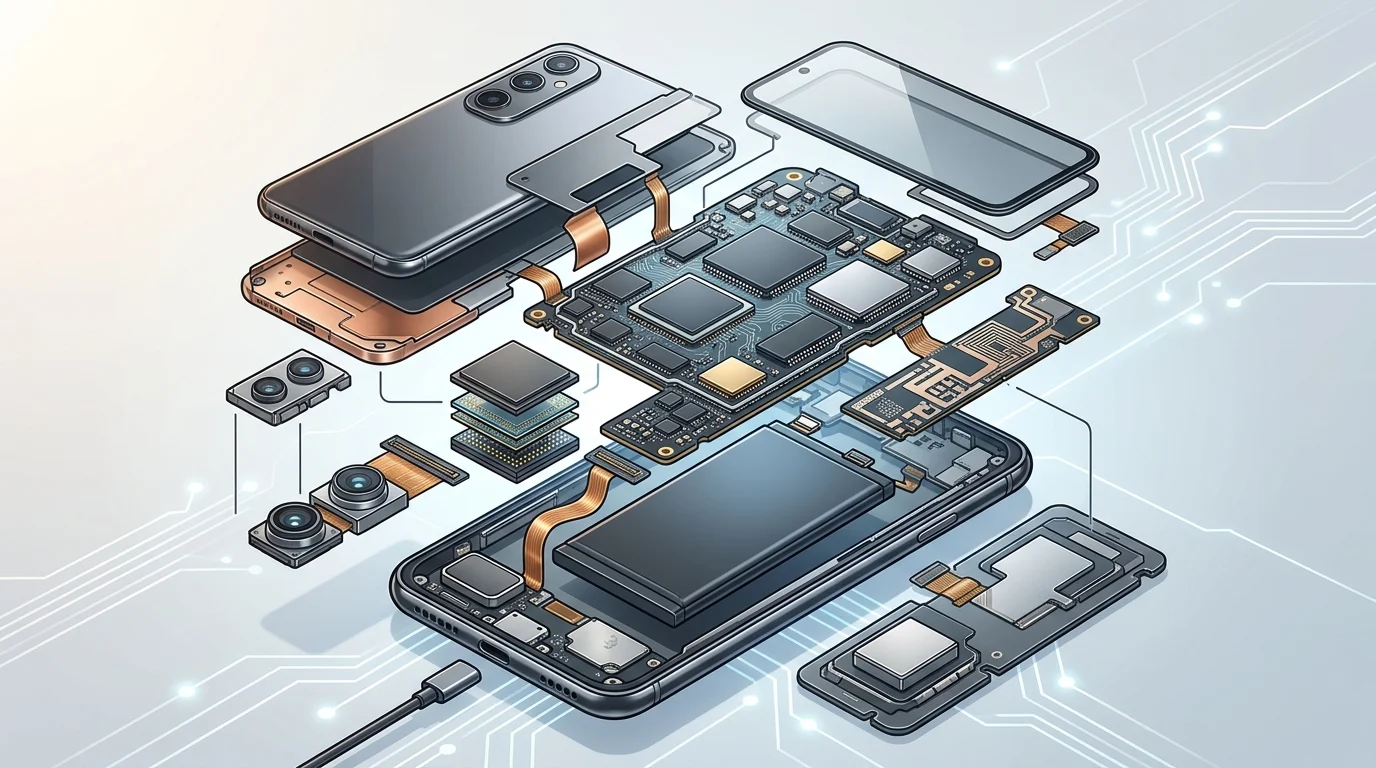
While the modem itself is a Qualcomm component, the teardown reveals that Apple is increasingly surrounding third-party chips with its own radio frequency (RF) hardware. The internal analysis identified an Apple-designed mmWave antenna module—marked with the part number 339M00418—operating alongside the Snapdragon X80 and its SDR875 transceiver. This integration indicates that even in models where the core modem remains outsourced, Apple is exerting more control over the surrounding antenna architecture.
The presence of the Apple C2 modem in the smaller iPhone 18 Pro demonstrates that Apple’s internal silicon is now considered ready for Pro-tier performance requirements. However, the decision to retain Qualcomm hardware for the Pro Max suggests a phased rollout of the company’s long-term goal to own the entire cellular stack. For U.S. consumers, this means the most expensive model in the lineup is currently using a different connectivity architecture than its smaller sibling, despite sharing the same “Pro” branding.
